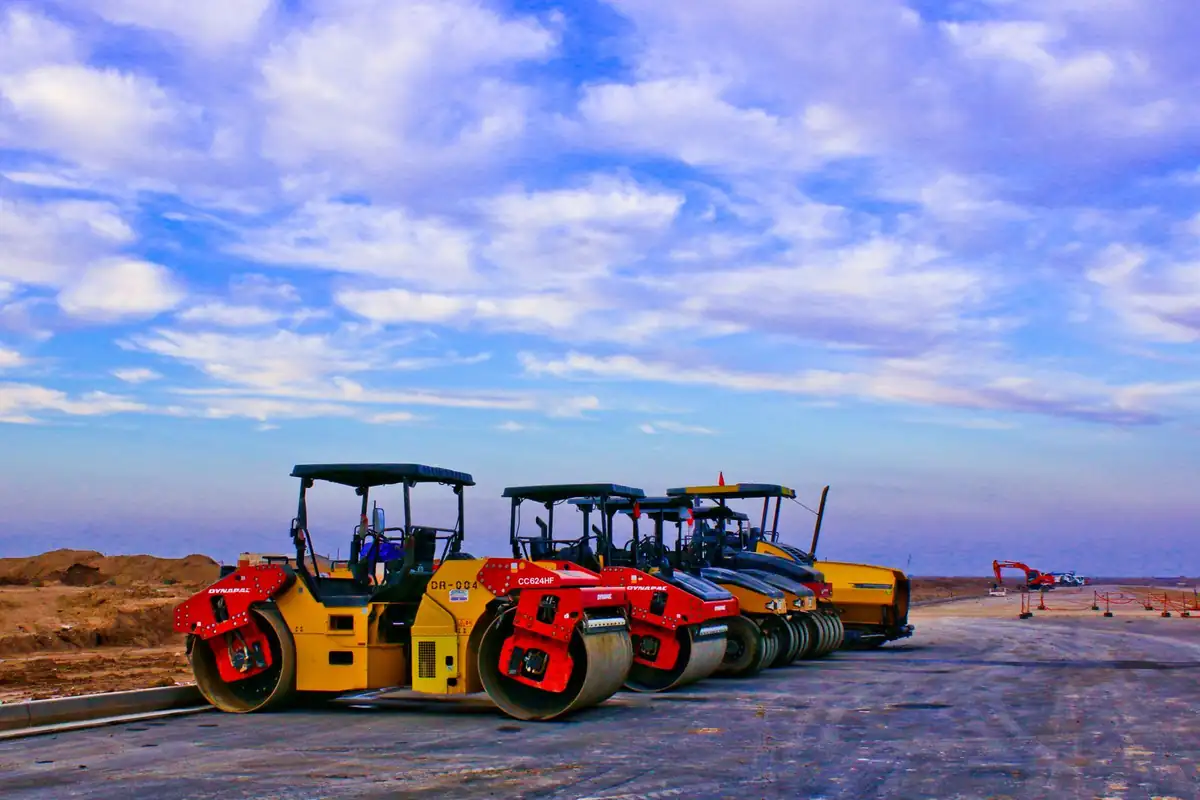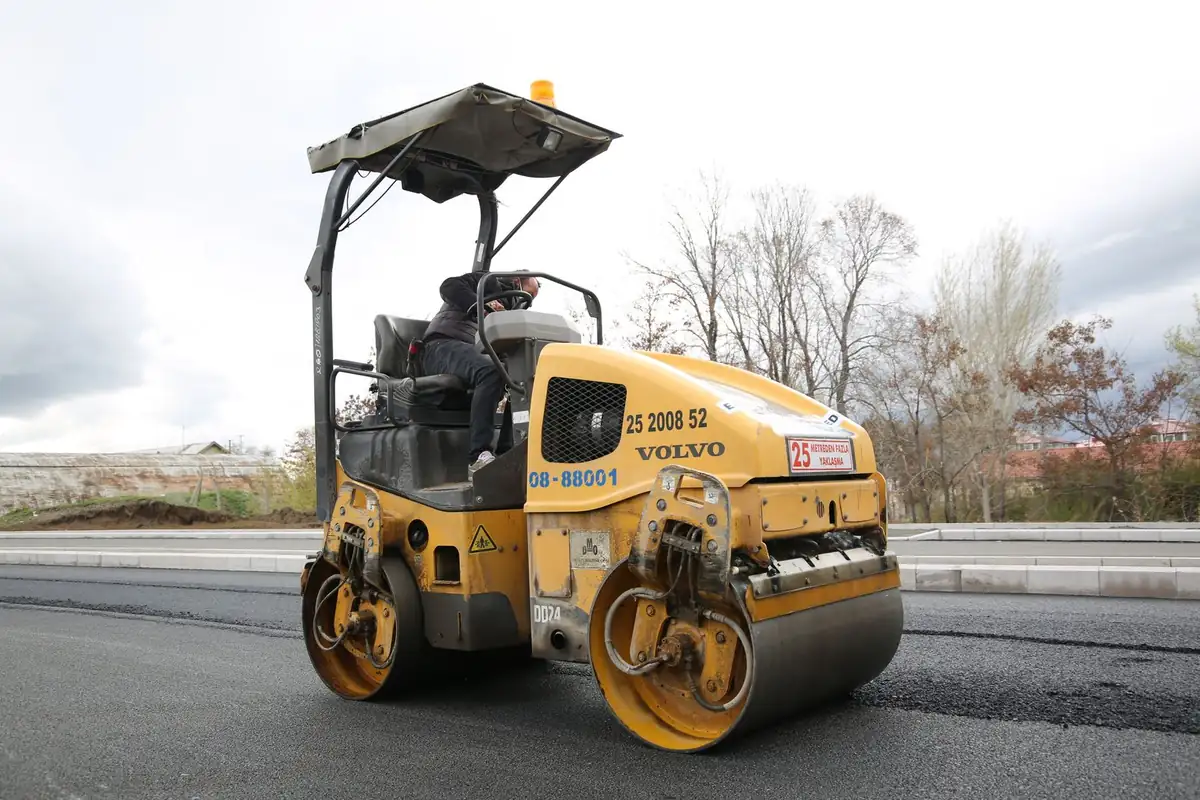
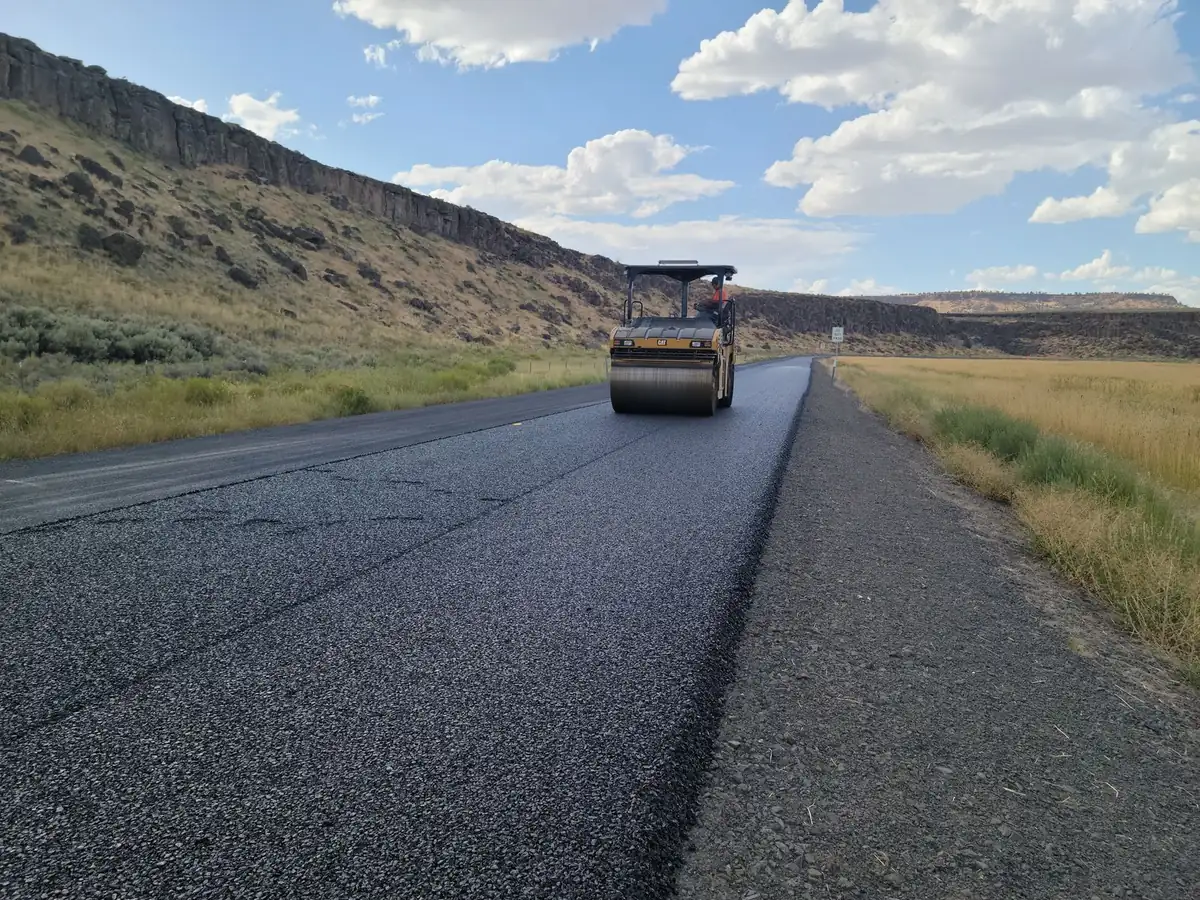
When a paving crew is finishing a job in Orlando, most of the attention goes to the paver laying the mat. The roller following behind looks like the easy part. It is not. Compaction is where the mix becomes a pavement, and the difference between a well-compacted surface and a poorly compacted one is measured in years of service life.
What compaction does
Hot-mix asphalt comes off the paver as a loose mat full of air voids. Rolling squeezes those voids out, packs the aggregate together and lets the binder lock it in place. The target is a specific density range: dense enough that water and air cannot move through the mat, but not so dense that there is no room for the material to flex under load.
Pavement that is under-compacted has too many voids. Water gets in, air oxidises the binder from the inside, and the surface ravels and cracks early. It is one of the most common reasons a driveway that looked fine on day one starts shedding aggregate within a few years.
Why timing is everything
Asphalt can only be compacted while it is hot enough for the binder to flow. Once it cools below a certain point, rolling does nothing except polish the surface. That gives the crew a window, and in Florida that window is shaped by the weather in ways that cut both directions.
- Summer heat in Kissimmee or Sanford keeps the mat workable longer, which helps, but it also makes the mat tender and easy to shove or mark if the roller moves too early.
- A cool, windy morning in January pulls heat out of the mat fast and shortens the window sharply.
- A thin lift cools much faster than a thick one, so thin overlays leave the least margin for error.
- Rain on a hot mat quenches it instantly and can ruin the compaction of an entire section.
The mat does not care how good the paver was. It cares whether the roller got to it in time.
The three rolling stages
Compaction happens in stages. Breakdown rolling comes first, right behind the paver, and does most of the densifying. Intermediate rolling follows to reach the target density. Finish rolling removes roller marks and seals the surface while the mat is still warm. Each has a temperature range, and a crew that is short on rollers or moving too slowly loses the window on one or more of them.
Edges deserve particular mention. The unconfined edge of a driveway or lot is the hardest place to compact, which is why edges are so often the first place to crumble. Our post on edge ravelling explains the fix. Good crews take extra care there and build edges at a proper angle rather than leaving a vertical drop.
What poor compaction looks like
Early ravelling, where fine aggregate loosens and the surface looks coarse and open, is the classic sign. So is a surface that soaks up water unevenly, darker in some areas than others, which points to variable density. Rutting in wheel paths on a lot that is only a few years old often traces back to the same cause. By the time these appear the fix is a surface treatment or an overlay, not more rolling.
This is one reason the cheapest quote is often not the cheapest pavement. A crew with the right equipment and enough of it, working at the right pace, costs more on the day. Our post on the real cost of cheap asphalt paving goes through the trade.
Need a Free Estimate?
Iron Ridge Pavement gives upfront, no-obligation pricing on paving, sealcoating, striping and repairs across Florida.
Iron Ridge Pavement LLC brings the right rollers and the right timing to every asphalt paving job across Orlando, Apopka, Oviedo and Central Florida. Ask us about your project.