Walk along the edge of almost any older asphalt driveway in Orlando or Winter Park and you will find the same thing: loose chunks, a ragged line where there used to be a clean one, and grass or sand creeping in. Edge failure is the most common form of asphalt deterioration we see, and it is also one of the most preventable.
Why edges fail first
The edge of a pavement is its weakest point for a simple structural reason: it has support on only one side. In the middle of a driveway, the asphalt around any given spot helps carry the load. At the edge, there is nothing beyond it. A tire that drops off the edge, or even rides along it, puts a bending load on material that has no lateral support.
Edges are also the hardest place to compact during construction. The roller cannot confine the mat there, so the density is lower and the voids are higher. Lower density means water gets in more easily and oxidation happens faster. Our post on compaction explains why that matters so much.
What makes it worse in Florida
- Sandy soil beside the pavement erodes and washes out in summer downpours, leaving the edge unsupported from the side.
- Irrigation heads placed close to the driveway keep the edge and the ground beside it constantly wet.
- Lawn equipment and edgers running along the pavement chip the exposed edge with every pass.
- Vehicles pulling off to pass, or turning wide into a driveway, load the edge repeatedly.
An edge that has nothing beside it will always be the first thing to go. The fix is to give it something to lean on.
Stopping it from spreading
Once an edge starts to ravel, the damage moves inward. Each chunk that breaks off exposes a new unsupported edge behind it. The first step is to stop the water and the loading. Backfill washed-out soil beside the pavement so the edge is supported again, move or adjust irrigation heads that are spraying the driveway, and keep vehicles off the edge line.
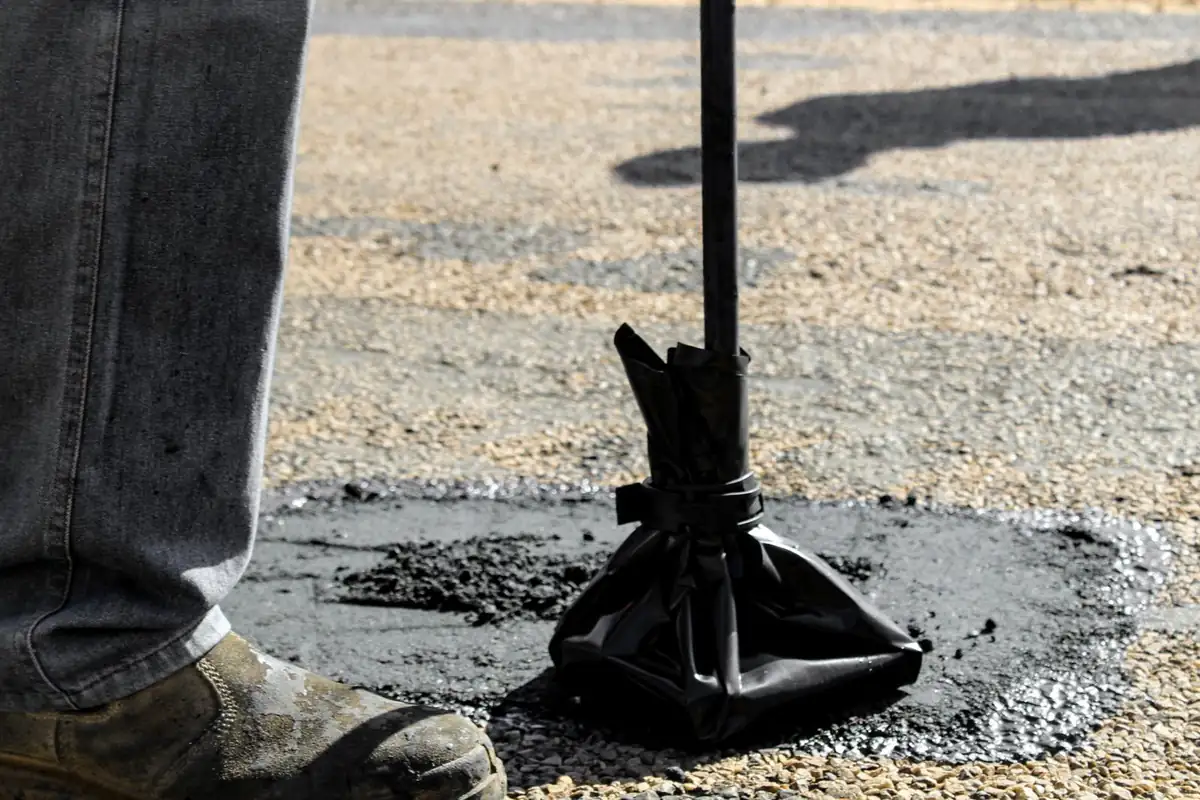
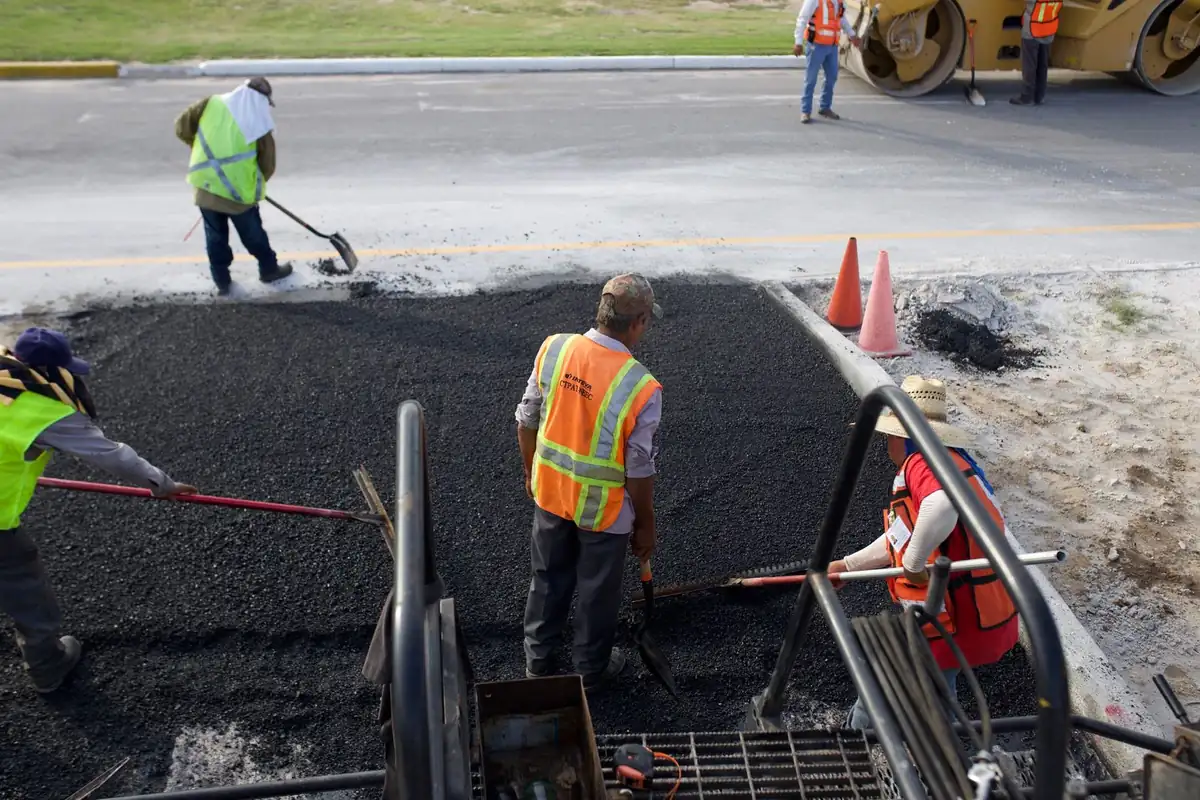
If the raveling is minor, a sealcoat after cleanup slows oxidation and holds loose fine aggregate in place. If chunks are missing, the section needs to be saw-cut back to sound material and patched with properly compacted hot-mix, tied into the existing surface. Sealcoat alone will not rebuild a missing edge.
Building edges that last
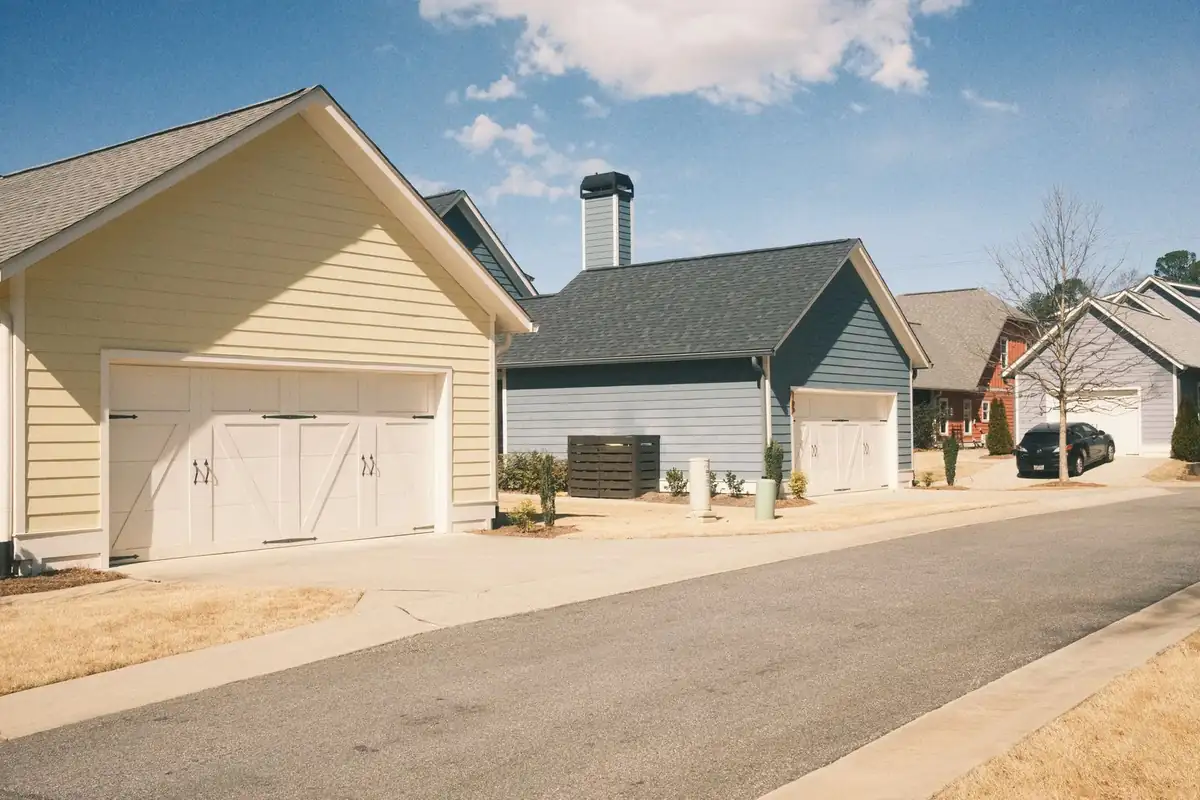
The best fix is the one done during construction. A well-built driveway edge is either tapered at an angle so the roller can compact it and tires can roll off it without breaking it, or confined by something solid such as a concrete curb, a paver border, or compacted fill brought up flush with the surface. On a commercial lot in Sanford or Lake Mary, curbing does this job. On a residential driveway in Apopka or Oviedo, a proper taper and backfilled shoulders usually do.
If you are planning a new driveway, ask how the edges will be built. Our post on the anatomy of a long-lasting asphalt driveway goes through what to look for.
On commercial lots the equivalent problem shows up wherever curbing is missing or has been broken by trucks, and at the edges of landscape islands where the asphalt meets mulch and irrigation. The fix is the same: restore the confinement, correct the water, and patch back to sound material with compacted hot-mix rather than skimming over it.
Need a Free Estimate?
Iron Ridge Pavement gives upfront, no-obligation pricing on paving, sealcoating, striping and repairs across Florida.
Iron Ridge Pavement LLC repairs failing edges and builds new ones properly on driveways and lots across Orlando, Kissimmee, Altamonte Springs and Central Florida. Request an estimate before the damage spreads.