When a driveway looks worn out but is not actually falling apart, there is a middle path most homeowners never hear about from replacement-happy contractors: an asphalt overlay. Done on the right candidate, it delivers a brand-new surface for roughly half the cost of a tear-out. Here is how Iron Ridge Pavement decides when an overlay is the smart money — and when it is not.
What an overlay actually is
An overlay — also called resurfacing — is a fresh layer of hot asphalt, usually 1.5 to 2 inches thick, laid over your existing driveway. The old surface becomes the base for the new one. You keep the foundation you already paid for and get a smooth, black, watertight surface on top, with a life expectancy of 10 to 15 years.
The cost story
Because there is no excavation, hauling, and base rebuild, an overlay typically runs 40 to 60% less than full replacement. You are paying for the surface course and the labor to prep and lay it — not for tearing out and rebuilding everything underneath. That is the whole appeal: most of the value of a replacement for a fraction of the price.
An overlay reuses the foundation you already paid for. That's where the savings live.
When an overlay is the right call
- The base is still solid — no flexing, no widespread settlement.
- Damage is surface-level: oxidation, fading, minor cracking, light raveling.
- Cracks are hairline to moderate, not alligatored.
- The driveway drains reasonably well and sits at a workable height relative to the garage.
- You want a like-new surface without the cost and downtime of a full rebuild.
When to skip the overlay
An overlay is a surface solution — it cannot fix what is underneath. Paving over a failing base just buys you a smooth surface that cracks in the same places within a year or two. Choose replacement instead when:
- You see alligator cracking — the base has failed.
- The driveway flexes or has widespread potholes and settlement.
- Serious drainage problems would only get worse with a higher surface.
- The driveway is already at maximum height against the garage or a step-down.
Not sure which camp you're in? Our guide on repair vs. replacement walks through reading the cracks.
Prep is what makes it last
The difference between an overlay that lasts 15 years and one that fails in two is prep. Before we lay a single inch, we clean the surface, fill and repair existing cracks and potholes, and apply a tack coat so the new asphalt bonds to the old. Skipping crack repair before an overlay is the classic shortcut — those cracks "reflect" straight up through the new layer within a season. Any low spots that pond water get addressed so the finished slope drains.
The Florida angle
Overlays work well here because so many Florida driveway problems are surface problems — UV oxidation and sun-baking rather than structural failure. A driveway that is faded, gray, and lightly cracked from years of Central Florida sun but still solid underneath is a textbook overlay candidate. Follow the overlay with a sealcoat at the 9–12 month mark and you have effectively reset the clock.
What the process looks like
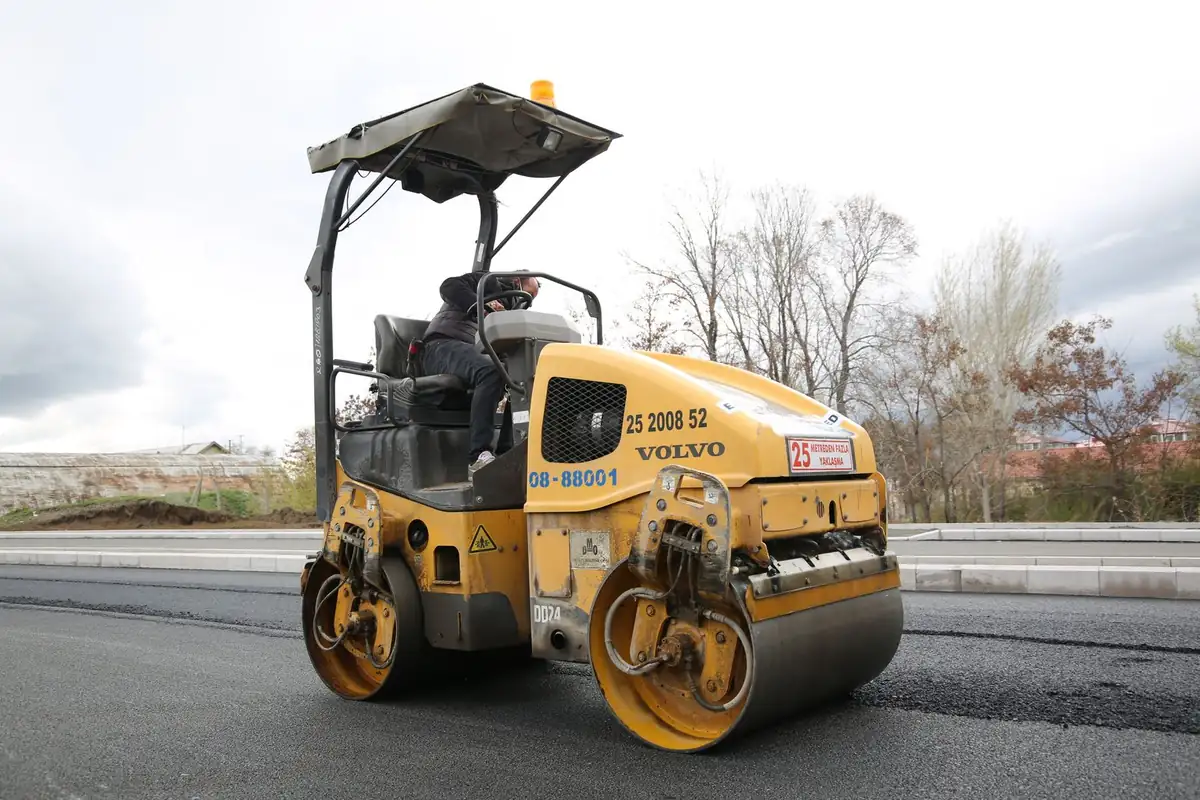
On a typical residential overlay, we start by pressure-cleaning the surface and clearing all debris, then repair the structural problem spots — cutting out and patching any potholes, filling and sealing cracks, and correcting low areas that pond water. Next comes a tack coat, the sticky bonding layer that glues the new asphalt to the old so the two act as one. Then the fresh hot-mix goes down and gets rolled while hot. Most single driveways are done in a day, and the curing timeline is the same as new asphalt — stay off with vehicles for 3 to 5 days.
One height detail to plan for: an overlay raises the driveway surface by an inch or two, so we check the transitions at the garage door and the street to make sure nothing traps water or creates a lip. On some driveways that's a non-issue; on others it's the reason a mill-and-overlay (grinding off the old top layer first) is the better approach. A good contractor will flag this before you sign, not after.
Need a Free Estimate?
Iron Ridge Pavement gives upfront, no-obligation pricing on paving, sealcoating, striping and repairs across Florida.
Wondering if your driveway or lot qualifies for an overlay instead of a full replacement? Iron Ridge Pavement gives straight answers across Orlando and Central Florida. Get a free estimate.