These three terms get thrown around like they mean the same thing, and that confusion costs property owners money. Sealcoating, resurfacing, and repaving sit on a ladder — from cheapest and least invasive to most expensive and most complete. Picking the wrong rung means either wasting money or throwing good sealer over pavement that's beyond saving.
Here's the plain-English difference, and how we decide which one your surface needs.
Sealcoating: the protective coat
What it is: a thin protective liquid applied over sound asphalt. What it fixes: nothing structural — it prevents future damage by blocking UV and water.
Sealcoating is maintenance, not repair. It's the cheapest option by far and belongs on pavement that's still in good shape. If your asphalt is black-to-gray but solid, our sealcoating service keeps it that way. If it's already cracking apart, sealcoat won't save it.
Resurfacing: a fresh top layer
What it is: a new layer of asphalt (typically 1.5 to 2 inches) laid over the existing surface. What it fixes: widespread surface cracking, fading, and roughness — as long as the base underneath is still solid.
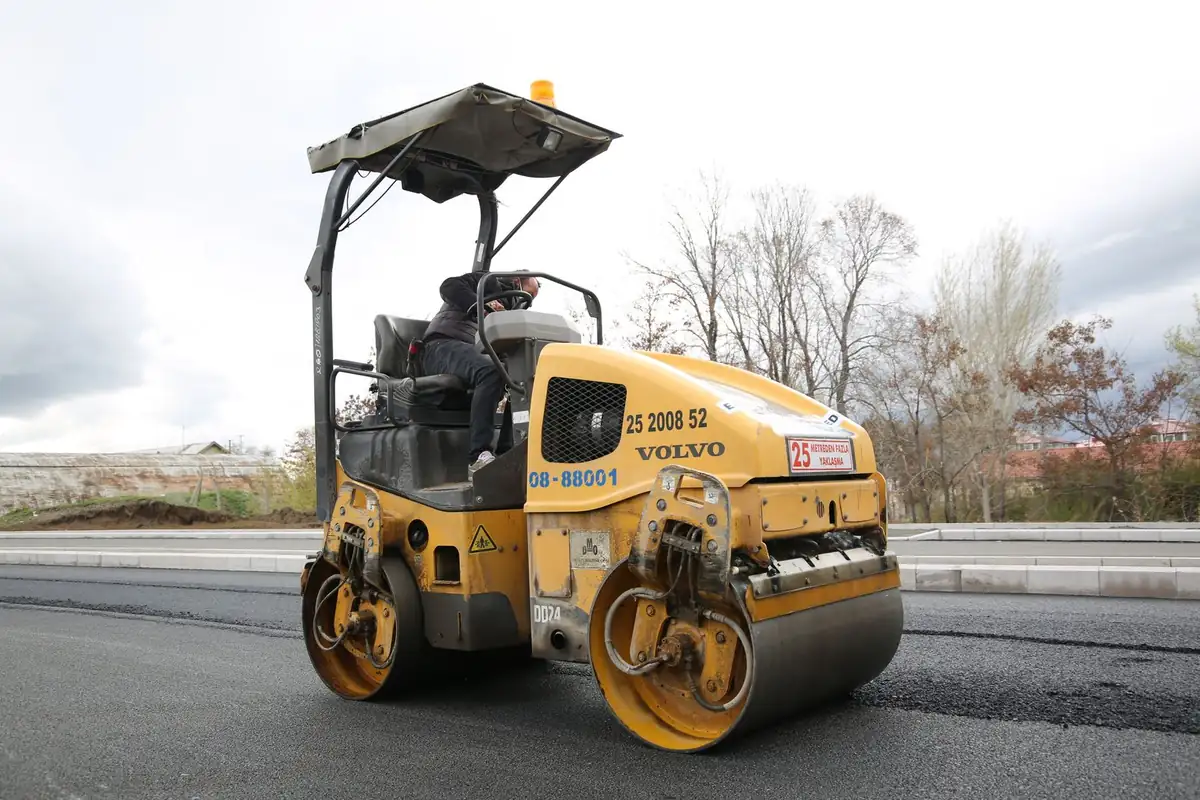
Resurfacing, sometimes called an overlay, is the middle option. You keep the existing foundation and get a brand-new driving surface on top. It costs more than sealcoating but far less than a full tear-out. Our resurfacing service is the right call when the top is worn but the bones are good.
Resurfacing works when the surface has failed but the base hasn't. If the base is gone, an overlay just fails all over again.
Repaving: full removal and replacement
What it is: tearing out the old asphalt entirely — sometimes down to the base — and laying new pavement. What it fixes: everything, including a failed base, standing-water problems, and alligator cracking.
Repaving is the most expensive option and the most permanent. It's what you need when the damage has gone all the way through and no surface treatment will hold. Our asphalt paving service handles full replacements.
How to tell which one you need
- Surface is solid but faded and thirsty → sealcoating.
- Lots of surface cracks and roughness, base still firm → resurfacing.
- Potholes, alligator cracking, sinking spots, or a failed base → repaving.
A quick real-world walkthrough
Picture a 10-year-old Orlando parking lot. If the surface is gray but smooth and tight, it's a sealcoat job — protect what's there and move on. If that same lot has cracks spidering across most of its area and a rough, raveling surface, but you dig at a pothole edge and the base underneath is still firm and compact, that's a resurfacing candidate — cap it with a fresh overlay. But if the lot has sunken areas that pond water, potholes that keep coming back after patching, and a base that feels soft and pumps water when you press on it, no overlay will hold. That lot needs repaving.
The tell is almost always the base. A failed surface over a good base can be capped. A failed base has to be rebuilt. That single distinction decides which of the three options you're really looking at.
The Florida angle
Because our sun ages asphalt fast, staying on the sealcoating rung as long as possible is the cheapest path. Owners who keep up with sealing and crack filling often avoid the resurfacing and repaving rungs for decades. Skip maintenance, and you climb the expensive end of the ladder years earlier than you had to. In our climate, the difference between a diligent owner and a neglectful one is often the difference between a lifetime of cheap sealcoats and a repaving bill inside 15 years.
Beware anyone who jumps straight to the most expensive answer. A contractor who quotes a full repave without checking whether the base is actually sound is either not looking closely or not being straight with you. The right process is always to diagnose the base first, then recommend the lightest fix that genuinely holds. Plenty of lots that get quoted for repaving really only needed resurfacing, and plenty quoted for resurfacing just needed cracks filled and a seal coat.
Not sure which rung you're on? We'll assess it honestly and quote you the least-invasive option that actually solves the problem — not the most expensive one.
Need a Free Estimate?
Iron Ridge Pavement gives upfront, no-obligation pricing on paving, sealcoating, striping and repairs across Florida.