Driveway widening is one of the most requested jobs we do — households acquire more vehicles, a boat or RV arrives, or a drive that was adequate in 2005 is not adequate now. It is straightforward work and it is also where we see the most avoidable mistakes.
The joint is the whole job
Where new asphalt meets old is the weak point, and how that joint is made determines whether the widening lasts. Simply butting new material against a ragged existing edge produces a seam that opens within a season.
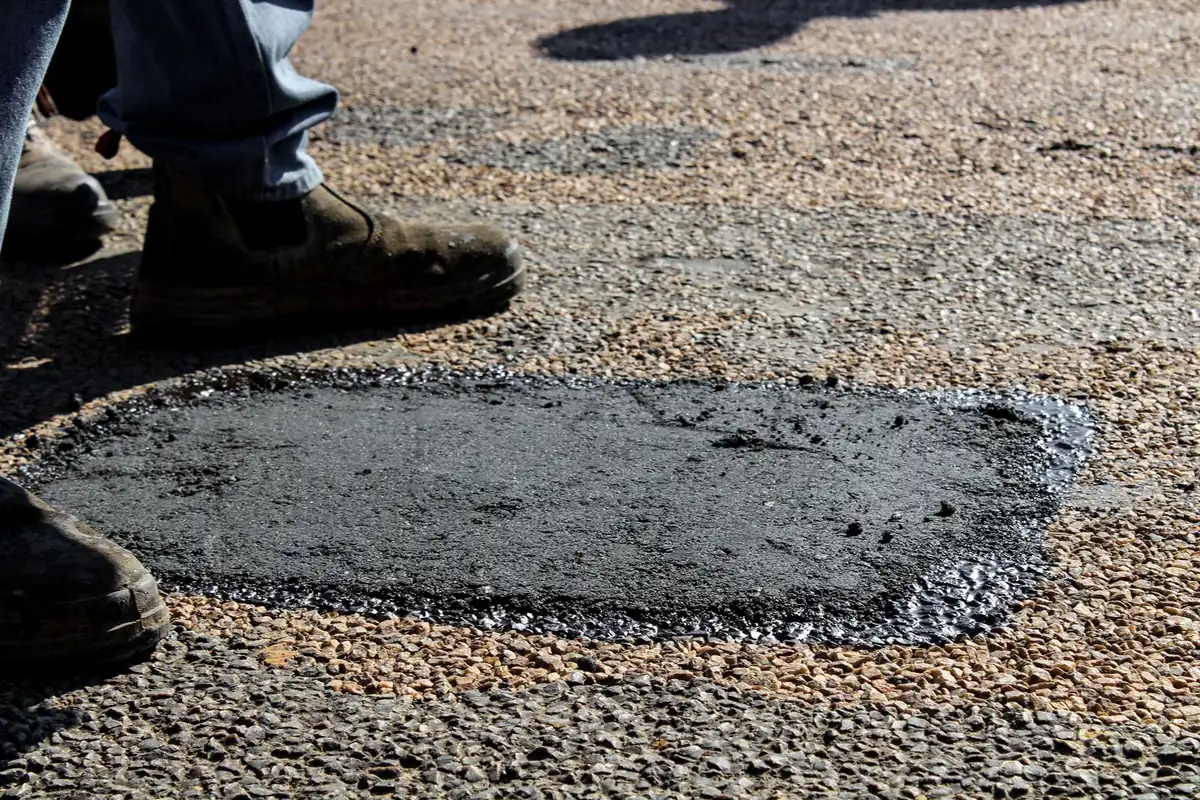
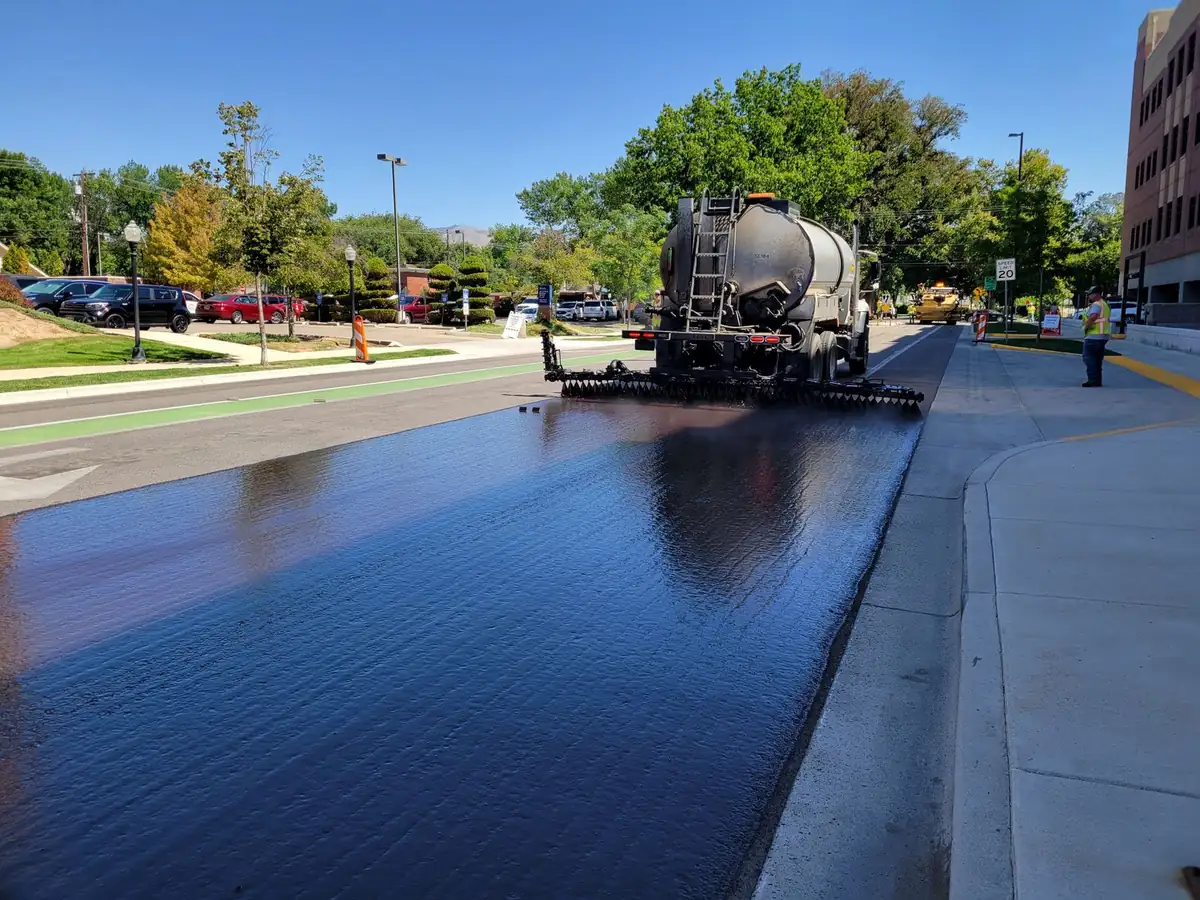
Done properly, the existing edge is saw-cut clean and vertical, tacked with an adhesive coat, and the new asphalt is placed and compacted against it so the two bond. That joint should be nearly invisible and should not be the first thing to crack.
Ragged edge, no tack coat, poor compaction at the seam — that is why most widenings fail at the joint rather than in the middle.
The base under the new section
The new strip needs its own properly prepared base. Laying asphalt over topsoil, sod or loose fill because it is only a few feet wide is exactly how a widening settles and holds water against the original drive.
Drainage changes when you widen
A wider surface sheds more water, and it sheds it somewhere. If the original drive drained to one side and you have just extended in that direction, you may have moved the runoff onto a flowerbed, a neighbour's property, or back toward the house.
Work out where the water goes before the work starts. It is a five-minute conversation and it prevents an expensive one later.
Colour will not match at first
New asphalt is black; aged asphalt is grey-brown. They will not match on day one and there is nothing wrong with that. Sealcoating the whole surface once the new section has cured — six to twelve months — brings it to a uniform colour. Anyone promising an instant match is not being straight with you.
Need a Free Estimate?
Iron Ridge Pavement gives upfront, no-obligation pricing on paving, sealcoating, striping and repairs across Florida.
Thinking about widening? Ask us to look at the drainage first.