Homeowners judge a paving job by the smooth black surface, but professionals know the driveway was already made or ruined before a drop of asphalt was laid. Everything that determines whether pavement lasts 5 years or 30 happens underground — in the grading, excavation, and base. At Iron Ridge Pavement, this is where we spend the most care, and here is why it matters.
Why the base is everything
Asphalt is a flexible pavement — it bends slightly under load and relies entirely on the compacted base beneath to carry the weight. A perfect asphalt layer over a weak base is a boat on a sinkhole; it will crack, rut, and fail no matter how good the surface looks. Most driveway failures we replace were never surface problems. They were base problems that surfaced.
You are not buying a surface. You are buying everything under it.
Step one: excavation
A proper install starts by digging out the old surface and unsuitable soil. In Central Florida that means removing muck, organic material, and soft spots — clay and organics that hold water and shift under load. Skimping here, by paving over old material or soft ground, guarantees settlement. We excavate to the depth the design needs, typically 8 to 12 inches for a residential driveway once you add base and asphalt.
Step two: the sub-base and base
Once we hit stable soil, we build back up in layers. A crushed-stone or shell base is spread and — critically — compacted in lifts, not all at once. Compaction is what turns loose stone into a solid platform. A base that is not compacted properly is a base that will settle later. Base thickness depends on the soil and the load; heavier use means a thicker, stronger base.
- Excavate to stable soil, remove organics and soft spots.
- Add and compact a crushed-stone base in lifts.
- Verify grade and slope before any asphalt goes down.
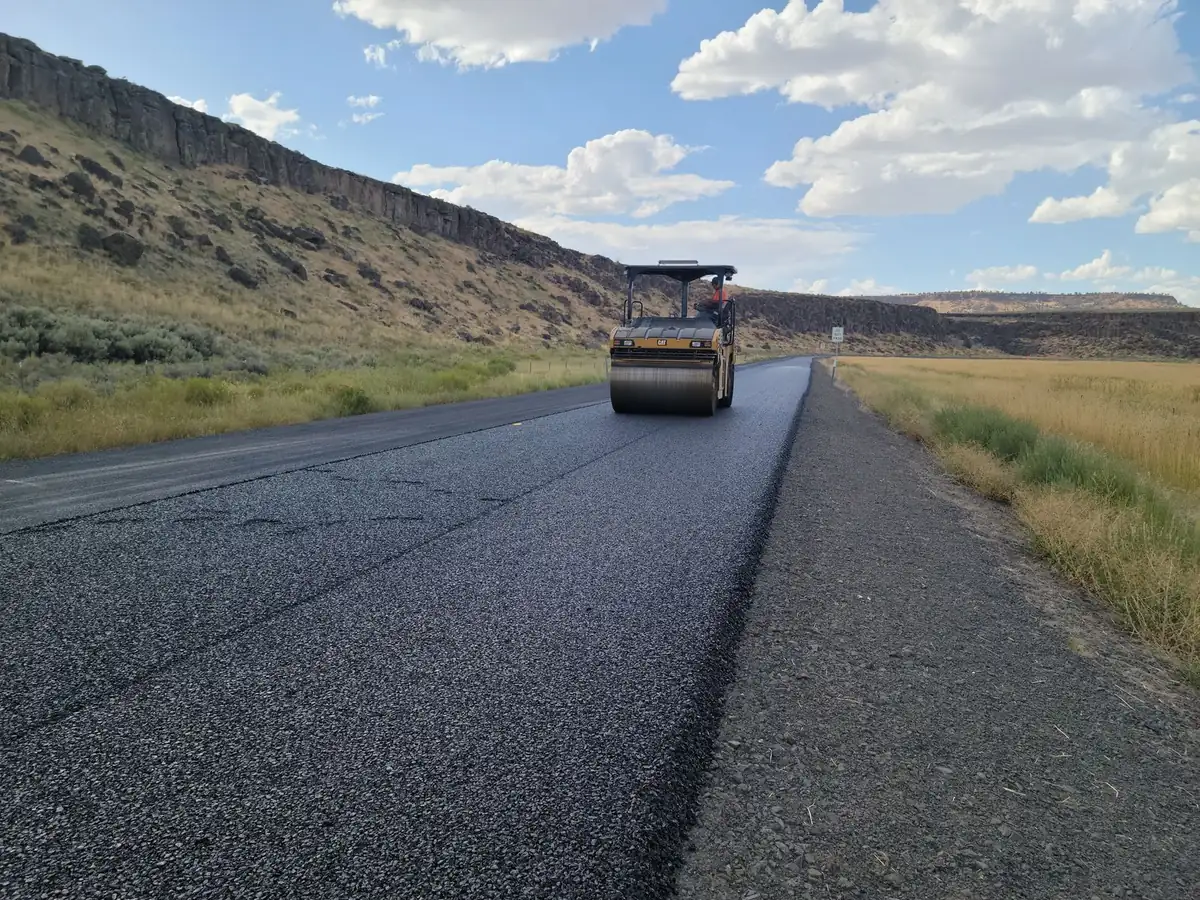
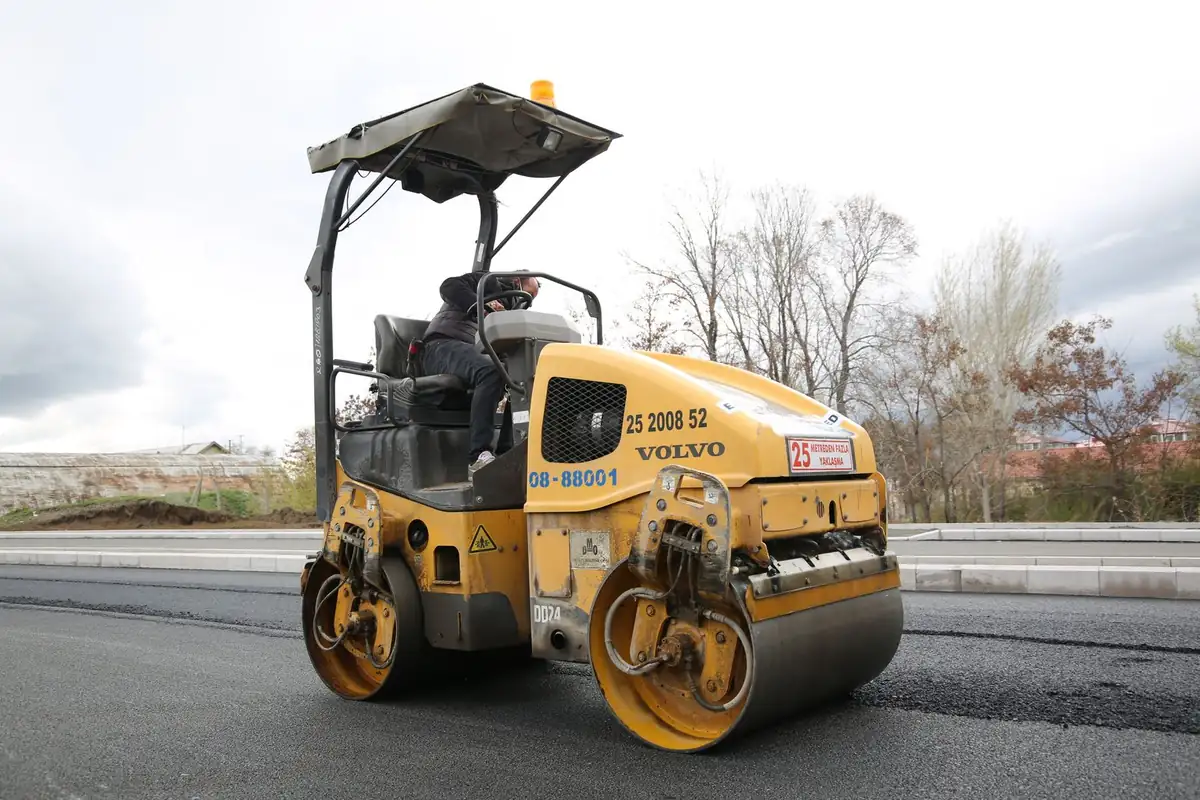
- Compact the asphalt surface itself while hot.
Step three: grading and slope — the Florida make-or-break
This is where our climate is unforgiving. Florida's flat terrain and torrential rain mean water has to be actively directed off the pavement, or it sits, seeps, and destroys the base. Proper grading builds in a slope — generally around 1 to 2% (about 1/8 to 1/4 inch per foot) — so water sheets off to the sides or the street rather than pooling. Get the slope wrong and you get birdbaths, standing water, and premature failure even over a perfect base.
Good grading also means the driveway ties in cleanly to the garage slab and the street without lips that trap water or catch bumpers. Drainage planning — where the water goes once it leaves the surface — is part of the job, not an afterthought.
Compaction: the invisible step people skip
Compaction happens twice — the base gets compacted, and the hot asphalt gets rolled. Both matter enormously. Under-compacted asphalt is porous, lets water in, and ravels apart. Proper rolling while the mat is hot locks the aggregate together into a dense, watertight surface. It is invisible in the finished job, which is exactly why cut-rate crews skip it.
How to tell it was done right
- Water sheets off after rain — no puddles that linger.
- The surface is firm and uniform, with no soft or springy sections.
- Edges are supported and tie cleanly into garage and street.
- No settlement or dips appear in the first year.
When we quote asphalt paving or a new driveway, the base and grading are the parts we will not cut. If you are comparing bids and one is dramatically cheaper, ask what excavation depth and base thickness they included — that is almost always where the difference hides. See our related read on the anatomy of a long-lasting driveway.
Need a Free Estimate?
Iron Ridge Pavement gives upfront, no-obligation pricing on paving, sealcoating, striping and repairs across Florida.
Iron Ridge Pavement builds driveways and lots from the ground up across Orlando and Central Florida — the right base, the right slope, done once. Get a free estimate.