When people say "asphalt," they usually mean hot-mix asphalt — the dense, black surface on most driveways, roads, and parking lots. But not all asphalt is the same, and understanding what hot-mix is helps you know why it's the right choice and why proper installation matters so much. Here's the plain-English version.
What Hot-Mix Asphalt Actually Is
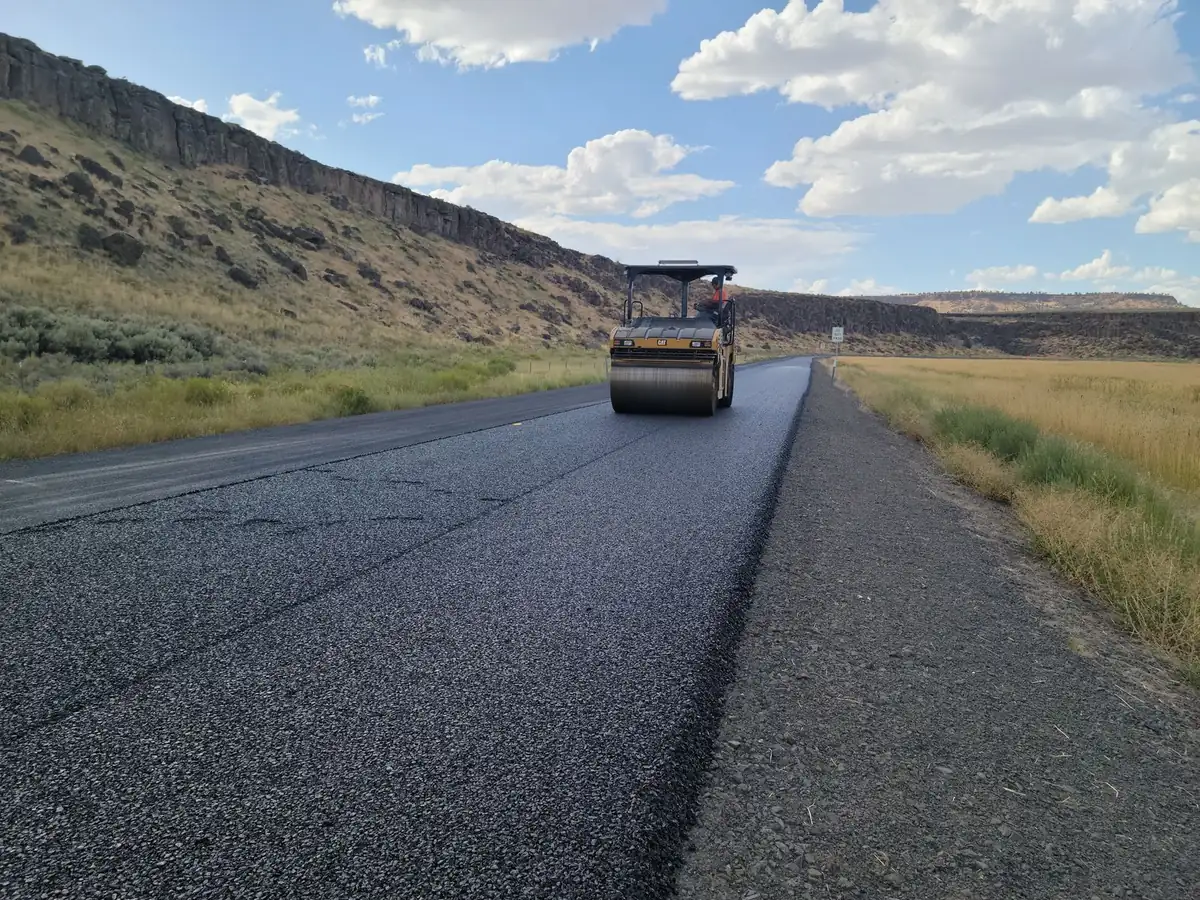
Hot-mix asphalt (HMA) is a precise blend of aggregate — crushed stone, gravel, and sand — bound together with liquid asphalt cement, the black sticky petroleum product that acts as glue. The mixture is heated to around 275–300°F at a plant, delivered hot, and laid and compacted while it's still hot. As it cools, it hardens into a dense, durable, water-resistant surface.
The heat is the whole point. Hot asphalt is workable and compacts into a tight, void-free mass. Once it cools, that density is what makes it strong and keeps water out.
Hot-Mix vs. Other Types
- Hot-mix asphalt (HMA): The durable standard for new driveways and lots. Strong, smooth, long-lasting
- Warm-mix asphalt: Produced at lower temperatures; used on some larger projects
- Cold-mix asphalt: A temporary patch material for potholes — never a substitute for a real surface
That cold-patch in a bag from the hardware store? It has its place for an emergency pothole fill, but it's not paving. A quality driveway or lot is hot-mix, laid by a crew that gets the timing and compaction right.
Hot-mix asphalt lives or dies by temperature and timing. Laid hot and compacted right, it's built to last decades. Handled poorly, it never reaches its strength.
Why It Matters in Florida
Florida's climate makes mix quality and installation especially important. Our heat means the asphalt cement has to be the right grade so the surface doesn't soften in summer. Our storms mean the mix has to be compacted dense enough to keep water out — porous, under-compacted asphalt lets water in and fails fast. A good hot-mix surface, properly laid, sheds our rain and stands up to our sun for years. Curious how the whole install works? See our step-by-step installation guide.
Why Installation Beats the Mix Itself
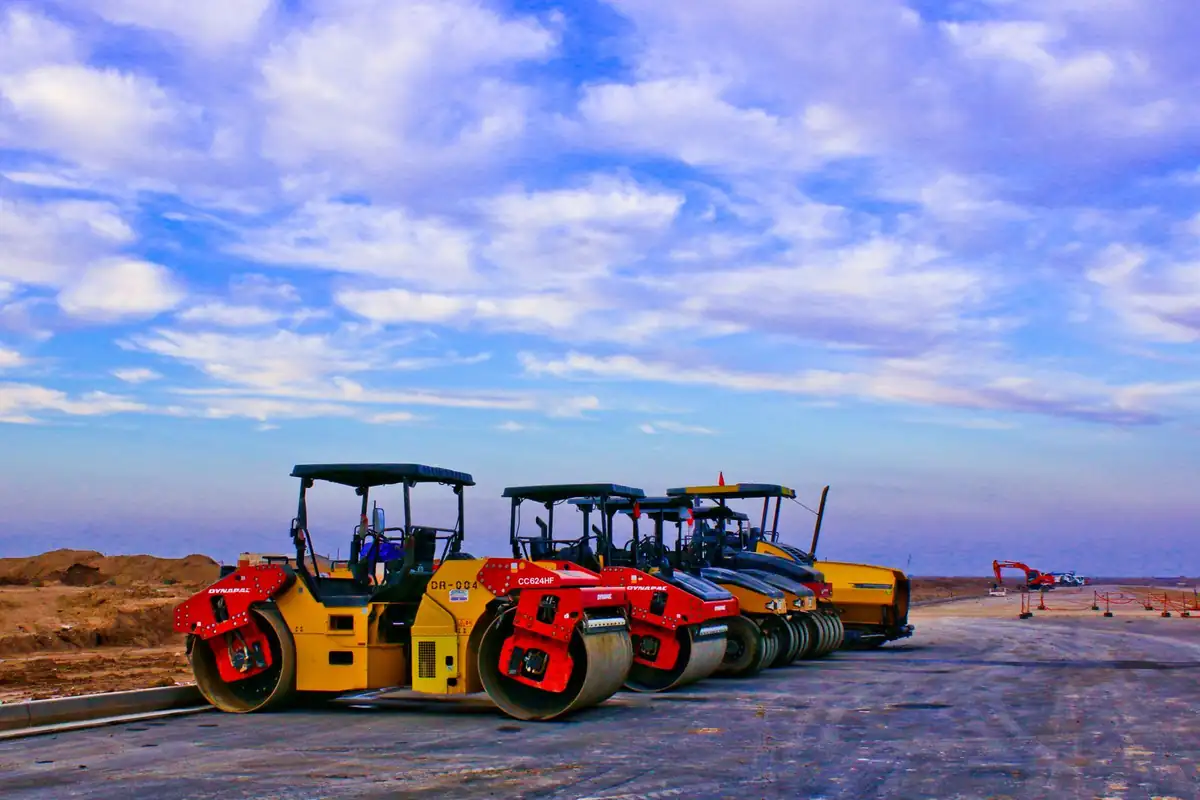
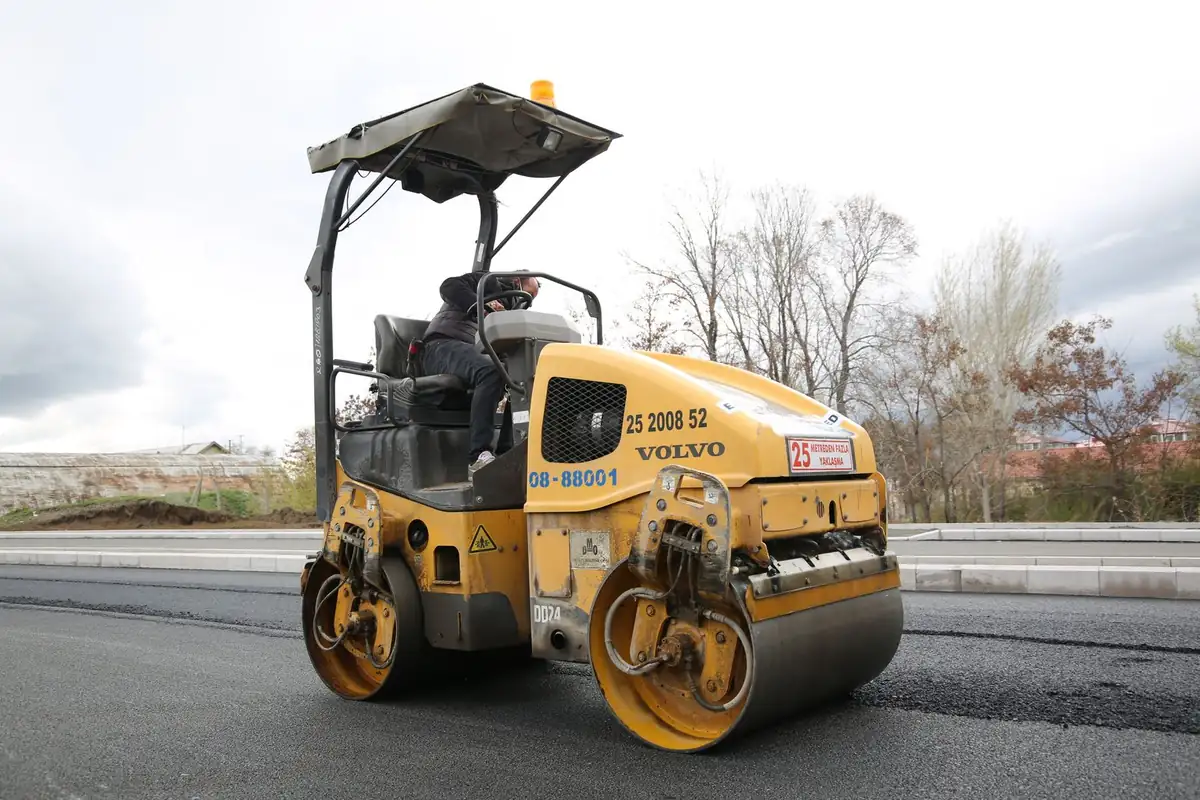
Here's the thing tradespeople know: even perfect hot-mix fails if it's laid wrong. It has to be placed at the right temperature, spread to a uniform depth, and compacted with proper rollers before it cools. Timing is tight. That's why the crew matters as much as the material — a point we make in our guide on choosing an asphalt contractor.
Protecting Your Hot-Mix Surface
Once it's down and cured, hot-mix asphalt still needs protection from Florida's UV. Sealcoating every 2–3 years and prompt crack filling keep the binder healthy and water out, which is how a good surface reaches 20+ years.
Bottom Line
Hot-mix asphalt is the proven, durable standard for driveways and lots — but only when it's laid by a crew that respects the temperature, timing, and compaction it demands. That's exactly how we work. Get a free estimate for our asphalt paving and get a surface built on strength, paved to last.
Need a Free Estimate?
Iron Ridge Pavement gives upfront, no-obligation pricing on paving, sealcoating, striping and repairs across Florida.