The honest answer is that asphalt paving in Florida usually runs between $3 and $7 per square foot for a standard installation, but that range hides a lot. Two driveways of the same size can price out hundreds of dollars apart depending on the soil under them, how much prep they need, and whether the crew is cutting corners you can't see. This guide breaks down the real 2026 numbers so you can budget like someone who knows the trade.
At Iron Ridge Pavement, we quote every job after we walk the site — never a phone-guess. But you deserve to understand the math before anyone shows up. Here's how paving actually gets priced in Central Florida and across the state.
Average Asphalt Paving Costs in Florida (2026)
For planning purposes, these are realistic installed prices for hot-mix asphalt over a properly prepared base:
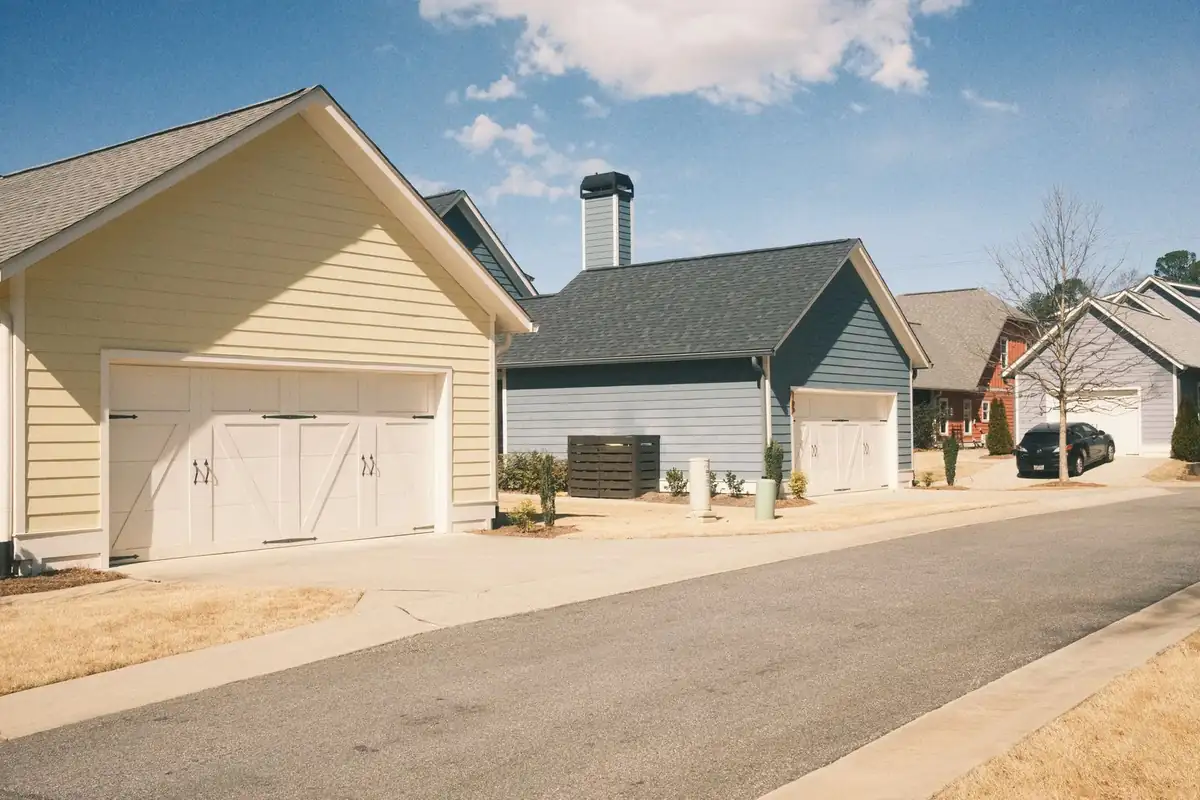
- Residential driveway: $3.50–$6.00 per sq ft — a typical 600 sq ft driveway lands around $2,500–$4,500
- Larger residential / rural drives: $3.00–$5.00 per sq ft (economies of scale kick in past ~1,500 sq ft)
- Commercial parking lots: $2.50–$5.50 per sq ft depending on traffic load and thickness
- Resurfacing (overlay) instead of new build: $2.00–$4.00 per sq ft when the base is still sound
If you only need to refresh an aging surface rather than rebuild it, an asphalt resurfacing overlay can save you real money — more on that below.
What Actually Drives the Price
1. Base and site prep
This is where Florida gets tricky. A lot of the state sits on sandy, shifting soil, and asphalt is only as strong as what's under it. A proper job includes grading, compacting, and often a crushed-aggregate base 4–8 inches deep. Skimp here and the surface cracks within a couple seasons. Good prep can be 30–40% of the total bill — and it's the part you should never negotiate away.
2. Thickness
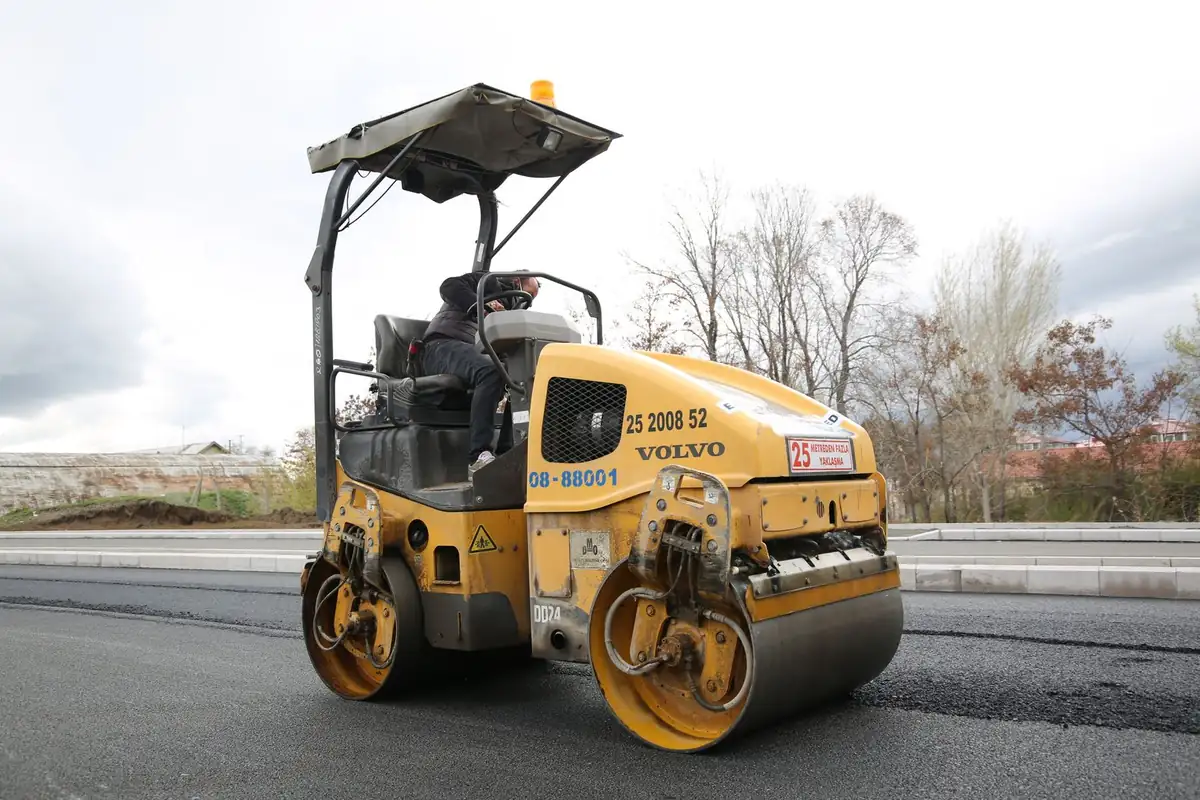
Residential driveways are typically laid 2–3 inches thick over base; commercial lots that take truck traffic need 3–4 inches or more. Thicker asphalt costs more upfront but lasts dramatically longer. We cover this in detail in our guide on how thick your driveway should be.
3. Access and size
Small, tight, or hard-to-reach jobs cost more per square foot because the crew and equipment still have to mobilize. Bigger open jobs get cheaper per foot. A steep or oddly shaped area adds labor.
4. Tear-out and drainage
Removing old asphalt or concrete adds cost. So does fixing drainage — and in Florida, with our summer downpours, drainage is not optional. Water that pools or runs under the slab is the number-one killer of pavement here.
The cheapest quote and the best value are almost never the same number. What you pay for prep, thickness, and drainage is what you get back in years of service.
Why Florida Costs Differ From Up North
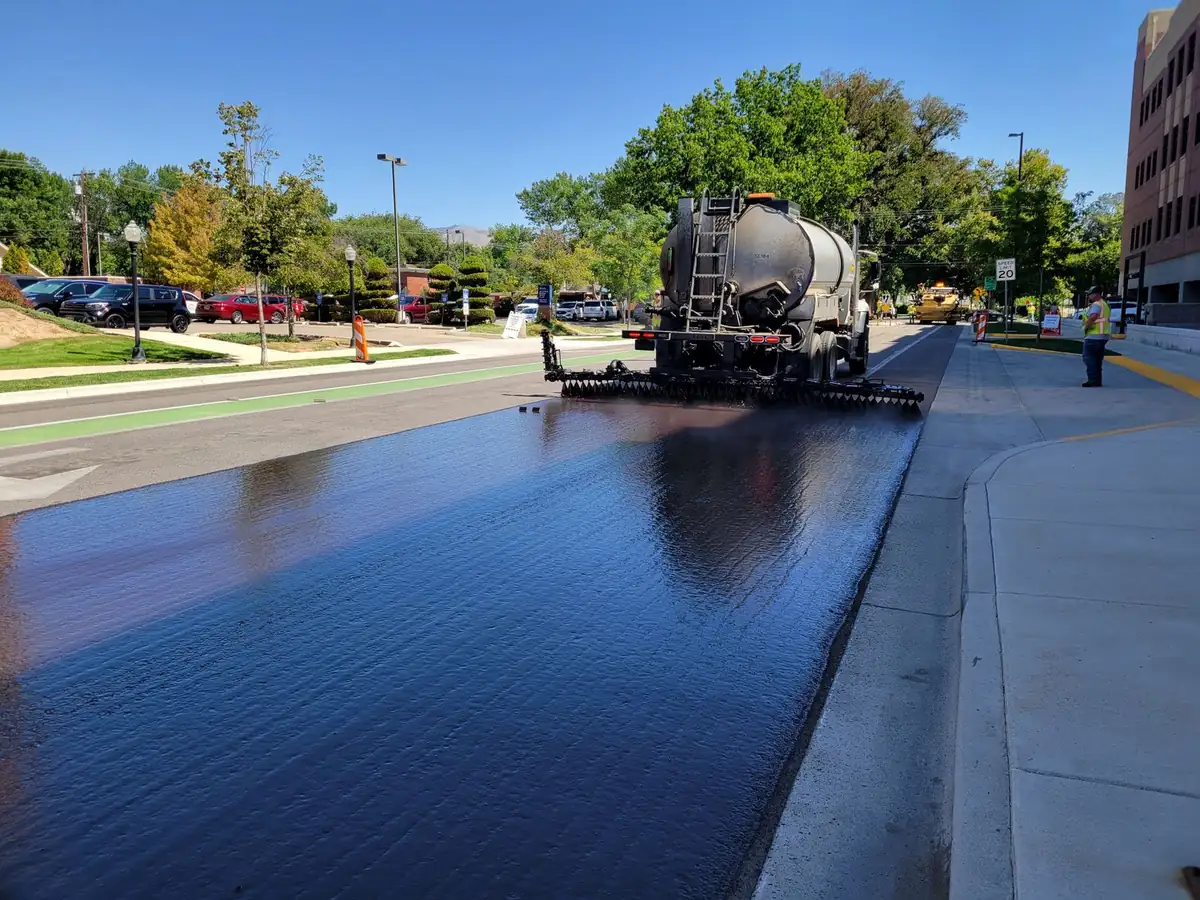
Florida doesn't have freeze-thaw cycles cracking pavement in winter, which helps. But we trade that for brutal UV, heat that softens asphalt, humidity, and violent afternoon storms. That means sealcoating matters more here than almost anywhere — a fresh driveway that's never sealed will fade and oxidize fast under our sun. Budget for sealcoating every 2–3 years as part of the true cost of ownership.
How to Budget Smart
- Get the base and thickness in writing — not just a total price
- Ask whether the quote includes grading, drainage, and cleanup
- Plan for sealcoating in year 1–2, not just installation
- Be wary of any bid dramatically below the rest — see why cheap asphalt fails
Bottom Line
Most Florida homeowners spend $2,500–$5,000 on a new asphalt driveway, and commercial projects scale from there based on square footage and load. The number that matters isn't the sticker — it's the cost per year of service, and that's won or lost in the prep. We give free, no-pressure estimates with the base, thickness, and scope spelled out so you know exactly what you're paying for.
Need a Free Estimate?
Iron Ridge Pavement gives upfront, no-obligation pricing on paving, sealcoating, striping and repairs across Florida.