Not all commercial pavement is the same. A retail plaza, a warehouse yard, and an apartment complex each ask different things from their asphalt — different loads, different traffic patterns, different priorities. Paving them all the same way is how owners end up with a lot that cracks early or a surface that never fit its purpose. Here's how the needs differ, and what to prioritize for each.
Retail: Appearance and Flow Come First
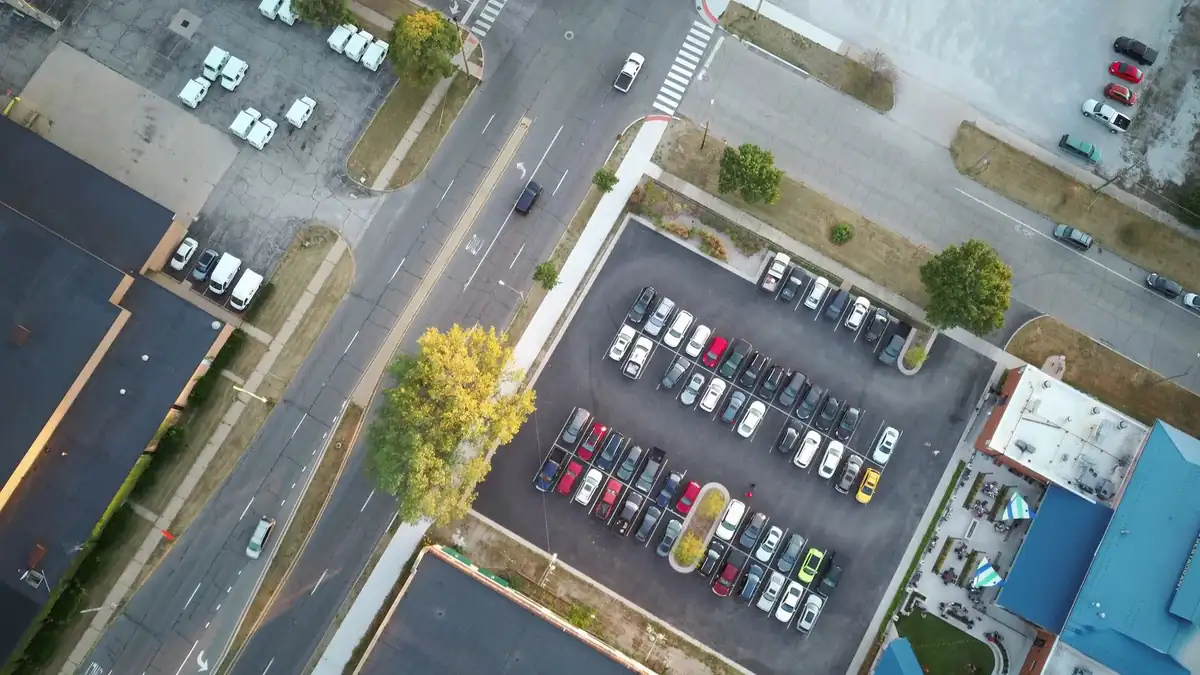
Retail lots see constant light-vehicle turnover, heavy pedestrian traffic, and customers forming instant impressions. The priorities:
- Appearance — a clean, black, sharply striped lot is silent marketing (see our post on how pavement shapes customer perception)
- Efficient layout — maximize stall count and smooth traffic flow without crowding aisles
- Pedestrian safety — clear crosswalks, ADA spaces near entrances, good sightlines
- Frequent striping refresh — high turnover and Florida sun fade lines fast
Retail lots don't carry crushing loads, but they carry your brand. Regular sealcoating and striping keep them looking like a place worth shopping.
Industrial: Built for Weight
Warehouse and industrial yards live in a different world. Loaded trucks, forklifts, dumpsters, and constant heavy turning demand pavement engineered for the load:
- Thicker asphalt and a stronger sub-base to carry heavy axle loads without rutting
- Reinforced high-stress zones — dock approaches, dumpster pads, and truck turning areas take a beating
- Drainage built for volume so large paved areas shed Florida's rain fast
- Durability over polish — function drives the spec, though maintenance still protects the investment
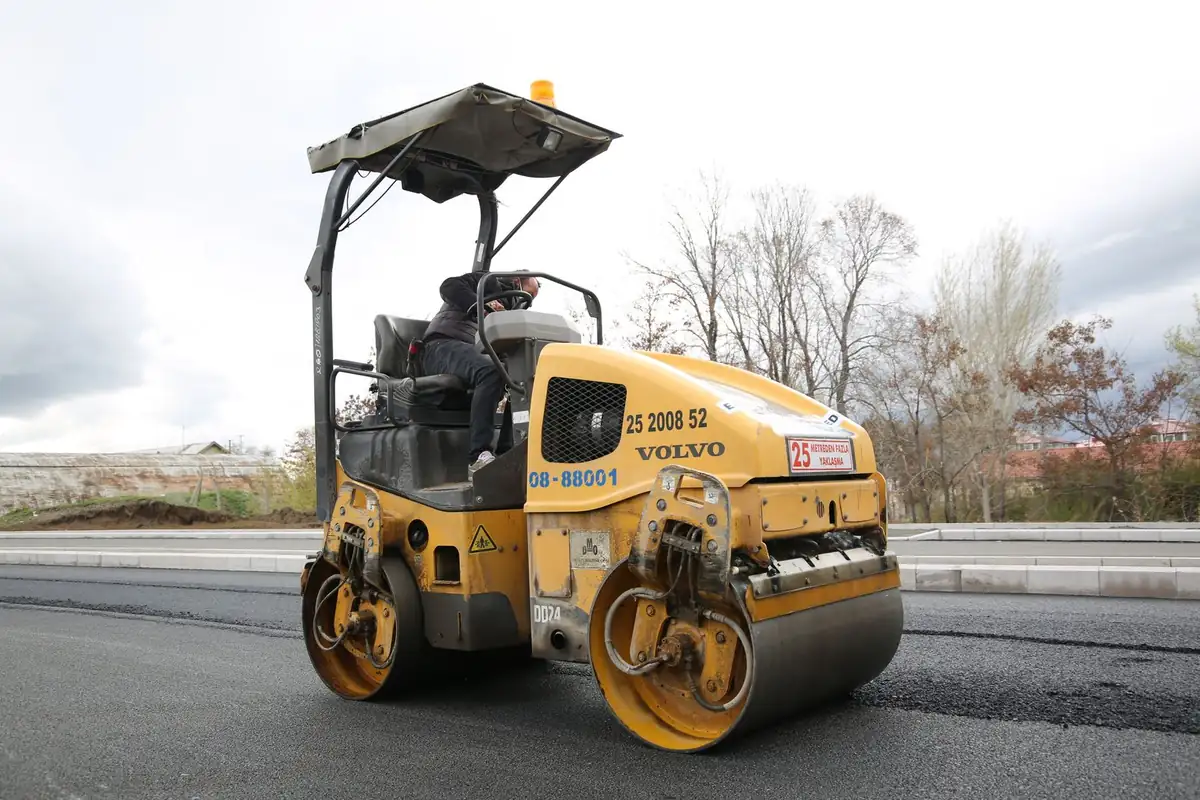
Under-building an industrial lot is a false economy. Weight finds every weakness, and a lot spec'd like a retail plaza will rut and crack under real truck traffic. This is where proper asphalt paving — right thickness, right base, right compaction — pays for itself.
The load tells you the build. A retail lot and a truck yard can sit next door and need completely different pavement underneath.
Multi-Family: The 24/7 Community
Apartment complexes and condos are their own animal — a mix of resident cars, guests, delivery vans, garbage trucks, and heavy foot traffic, all day, every day. And unlike a retail lot, people live here, so disruption and safety weigh heavily:
- Mixed-load design — mostly light vehicles, but garbage and delivery trucks demand reinforced access lanes and dumpster pads
- Safety and lighting-friendly markings — crosswalks, speed markings, and clear striping for a lived-in community
- Phased, low-disruption work — residents need access at all times, so paving is sequenced around them
- Reliable long-term maintenance — HOAs and property managers benefit most from a scheduled program (see our HOA road maintenance guide)
What They All Share
Different as they are, every property type wins with the same fundamentals: a properly built base, good drainage, early crack filling, sealcoating on cycle, and striping that stays sharp and compliant. The mix and emphasis shift, but neglect fails all three the same way — water in the base, cracks spreading, an early and expensive replacement. Fold every property into a real pavement maintenance plan and the asphalt lasts for decades.
Why the Right Spec Matters From Day One
The single most expensive mistake in commercial paving is under-building the base for the loads the lot will actually carry. You can't see a base failure coming — it's underground — but you'll feel it when the surface starts rutting, cracking, and potholing years before it should. And once the base fails, no amount of surface maintenance saves it; you're rebuilding from the sub-grade up.
That's why matching the spec to the property matters before the first load of asphalt arrives. A truck yard needs the thickness and base strength of a truck yard; a retail plaza can be built lighter and put the budget into appearance and layout. Getting that right at the start is the cheapest decision you'll ever make on the lot — and the one hardest to fix later.
The Bottom Line
Match the pavement to the property: appearance and flow for retail, structural strength for industrial, and safe, low-disruption durability for multi-family. We build and maintain commercial lots of every type across Central Florida — and we spec each one for the job it actually does. Get a free estimate built around your property.
Need a Free Estimate?
Iron Ridge Pavement gives upfront, no-obligation pricing on paving, sealcoating, striping and repairs across Florida.