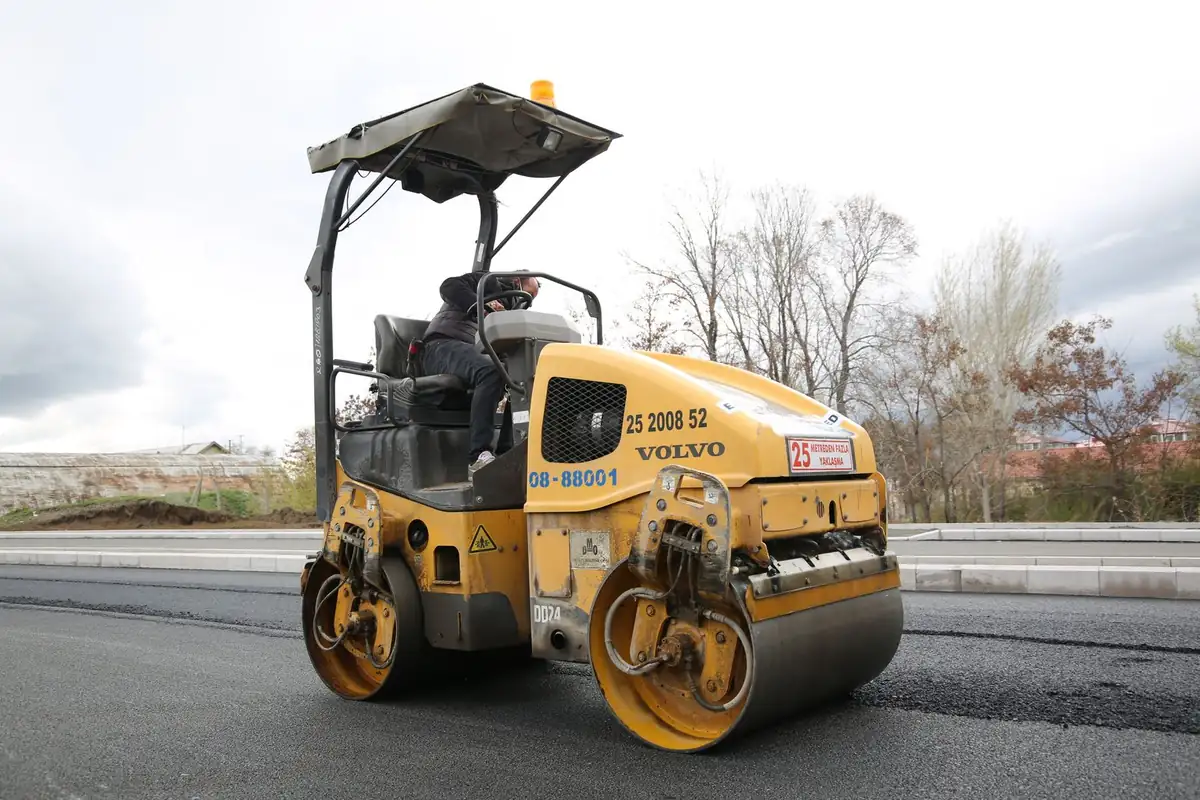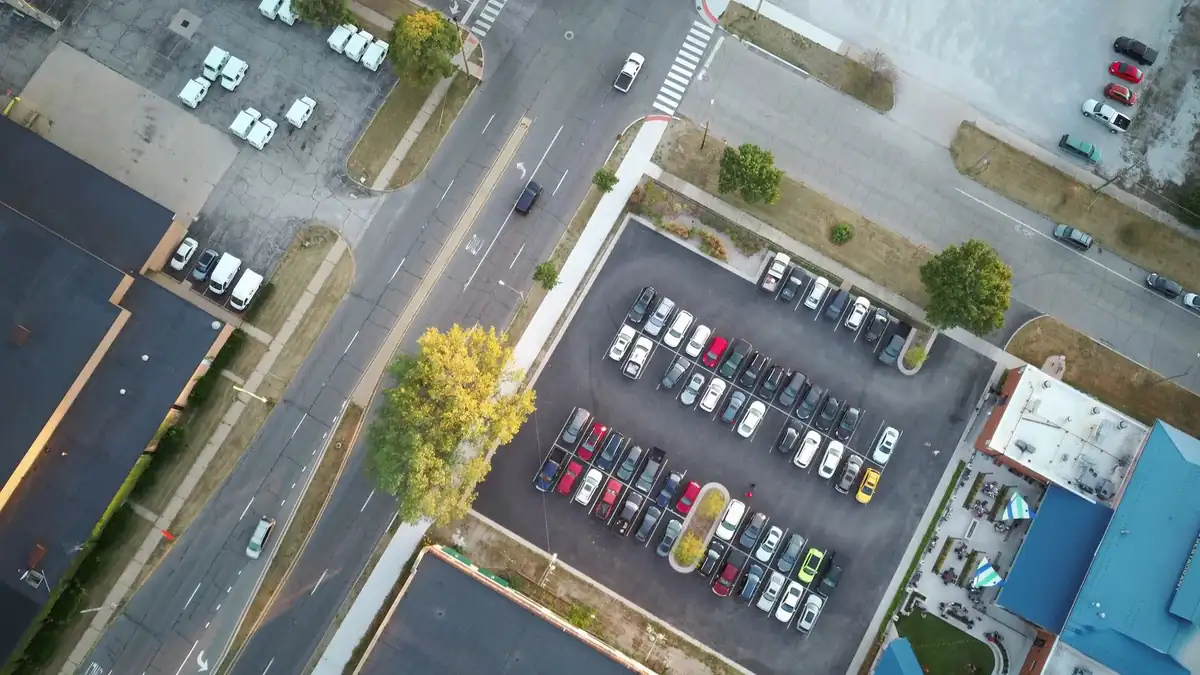
Few places in America are growing like Central Florida. Orlando has been one of the fastest-growing metro areas in the country for years, and the evidence is everywhere: new subdivisions, retail centers, apartment complexes, warehouses, and office parks rising on land that was orange groves or scrub a few seasons ago. All of that growth rides on asphalt — and the quality of that asphalt decides whether a development ages gracefully or becomes a maintenance headache within a few years.
Growth built on pavement
Every new development, from a single custom home to a 300-unit apartment community, needs paved surfaces: driveways, parking lots, access roads, loading areas. In the rush to open on schedule, paving is sometimes treated as a box to check rather than the long-term asset it is. That is a costly mistake in Florida, where the climate and soils are unusually hard on pavement. Cutting corners on the base or the mix to save a few dollars up front leads to cracking, potholes, and complaints long before the paint has faded on the building.
- New driveways and lots are the first thing residents and customers use daily
- Rushed base prep on Florida soil fails fast — see our note on soil and base
- Poor paving becomes an ongoing operating cost, not a one-time savings
First impressions and property value
Pavement is one of the first things anyone experiences on a property. A resident pulling into a smooth, clean, well-striped community feels a certain way; one bumping over a cracked, faded lot feels another. For builders and property owners, quality commercial parking lot and driveway work is a direct investment in curb appeal, leasing velocity, and resale value. Sharp striping and a rich black surface signal a property that is cared for — and that perception translates into real dollars.
Nobody remembers the parking lot when it is good. Everybody notices it when it is bad.
Safety and liability in high-traffic developments
Growth means more people, and more people means more exposure. Cracked and potholed pavement is a genuine liability — trip-and-fall claims, vehicle damage, and ADA compliance issues around accessible parking and routes. New developments that invest in quality paving and clear, code-compliant striping from the start protect both their residents or customers and their own bottom line. Fixing these problems after the fact, while the property is occupied and busy, is always more disruptive and expensive.
The Florida durability factor
A development built to out-of-state standards will not last in Florida conditions. Our intense UV, daily summer storms, high water table, and soft soils demand more: proper drainage design, a strong compacted base, a mix suited to the heat, and a maintenance plan from day one. The developments that hold up best are the ones where the paving contractor understood Orlando conditions and built for them, then set the owner up with a pavement maintenance and sealcoating schedule to protect the investment.
Partner early, save later
The best time to get paving right is at the planning stage, not after problems appear. Bringing in a knowledgeable asphalt paving partner early means drainage, base, and layout are designed correctly the first time. For builders, developers, and property managers riding Central Florida's growth wave, that early partnership is the difference between pavement that quietly does its job for decades and pavement that becomes a line item you fight every year.
Phasing and access on an active site
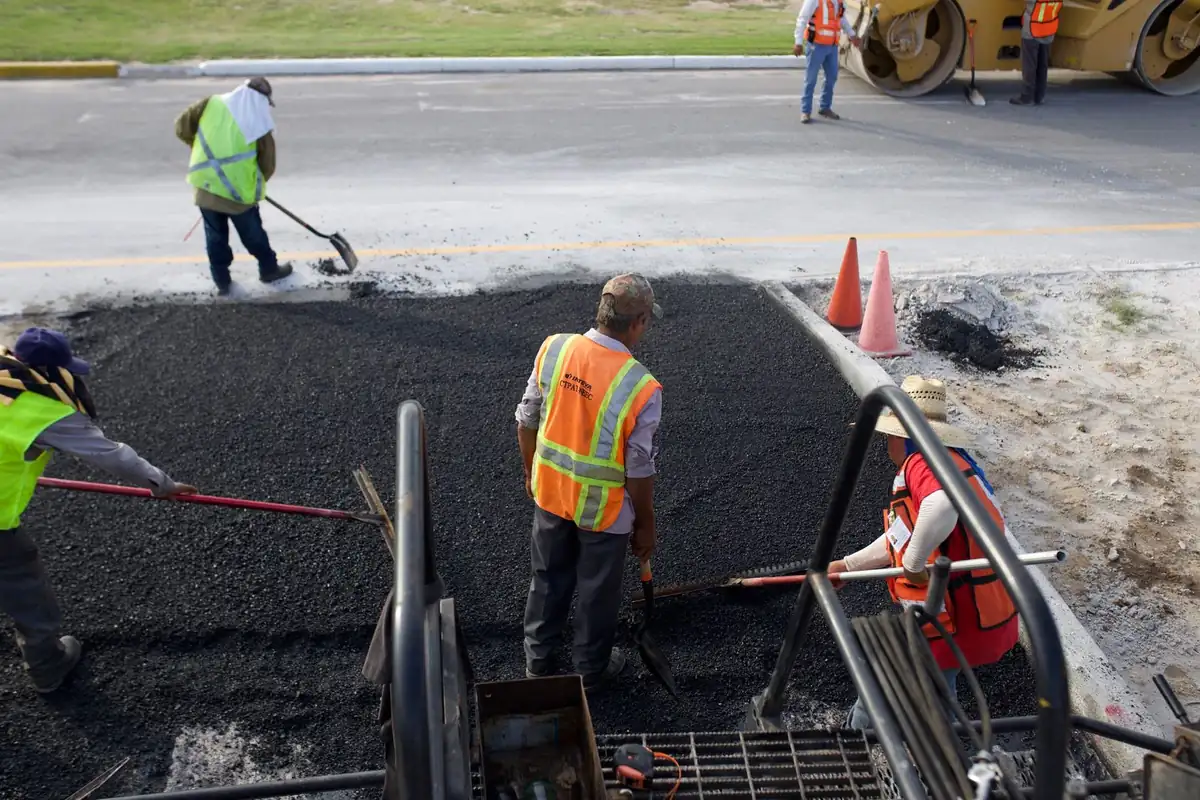
Growth also means paving around occupied buildings, live traffic, and tight construction timelines. A development that opens a leasing office before its lot is finished, or a retail center bringing tenants online in stages, cannot simply shut everything down to pave. Experienced crews phase the work — sequencing base, binder, and surface courses across sections so access stays open and no area is left exposed to a storm at the wrong moment. That coordination is a big part of why local experience matters: a paver who knows Central Florida's weather rhythm and permitting can keep a project moving instead of stalling it.
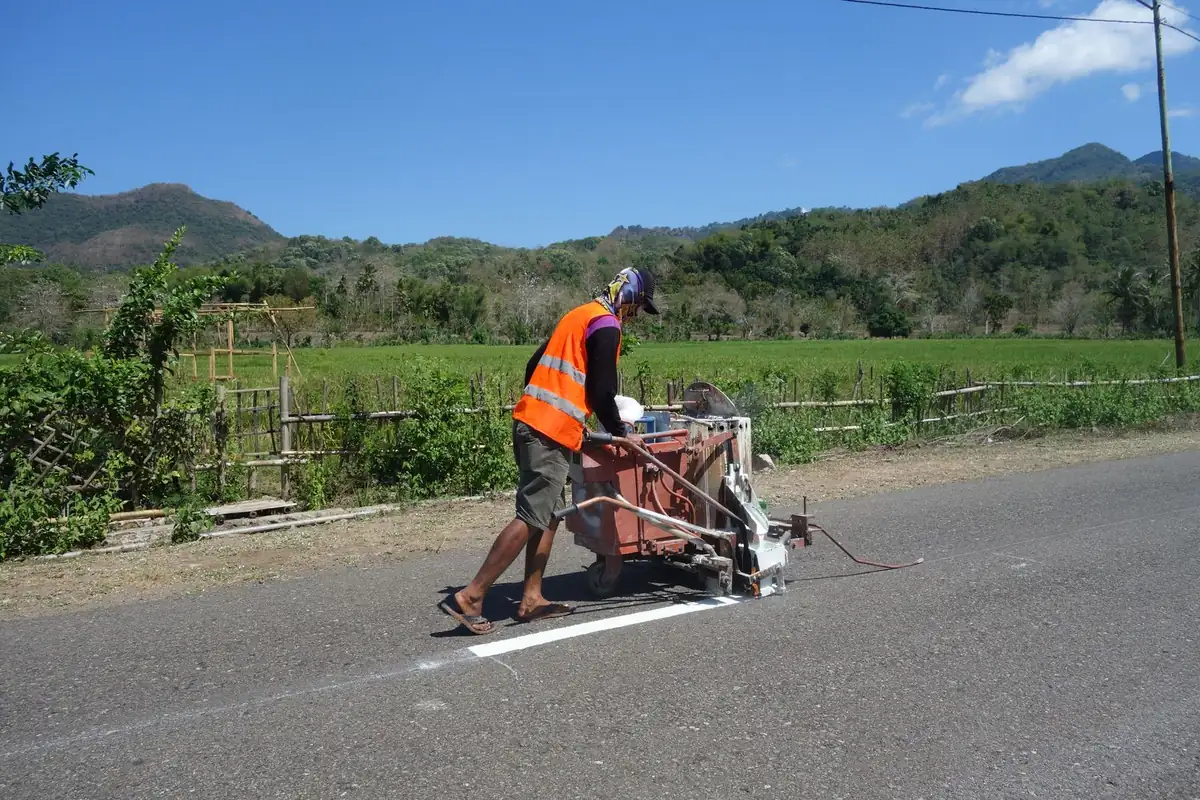
The same discipline applies to the finishing details that make a new development usable on day one — code-compliant accessible parking, clear directional striping, and fire-lane markings that pass inspection. These are not afterthoughts to squeeze in at the end; they are part of a properly planned paving scope.
Orlando is going to keep growing. The properties that thrive will be the ones built to last — right down to the ground they are paved on.
Need a Free Estimate?
Iron Ridge Pavement gives upfront, no-obligation pricing on paving, sealcoating, striping and repairs across Florida.