Traffic calming is one of the most common requests we get from HOA boards and property managers, and the terminology gets used loosely in a way that leads to the wrong device being installed.
The three devices
Speed bump
Short and abrupt, a few inches high over a foot or two of length. Forces vehicles to a crawl. Appropriate in parking lots and private drives where speeds should be very low. Genuinely unpleasant at anything above walking pace, which is the point — and also why it is wrong on a through road.
Speed hump
Longer and gentler, typically spanning ten to fourteen feet. Slows traffic to a moderate speed rather than a crawl and is far more appropriate on residential streets. This is usually what a board actually wants when it asks for speed bumps.
Speed table
A hump with a flat top, long enough for a whole vehicle. Slows traffic while being kinder to emergency vehicles, and it can double as a raised crosswalk. The most expensive of the three and often the best on a road with genuine pedestrian traffic.
Ask for a bump and get a bump, and residents will complain about the bump. Most communities want a hump.
What to consider before installing anything
- Emergency access. Fire and EMS response is slowed by aggressive calming. Talk to your local department before installing.
- Drainage. A device across the road is a dam. Placement has to account for where the water goes.
- Signage and markings. An unmarked device is a liability. It needs visible markings and advance warning.
- Placement. Not on a curve, not on a steep grade, and not where a driver cannot see it in time.
- Alternatives. Narrowing, chicanes, better signage and enforcement sometimes achieve the objective without a physical device.
Maintenance
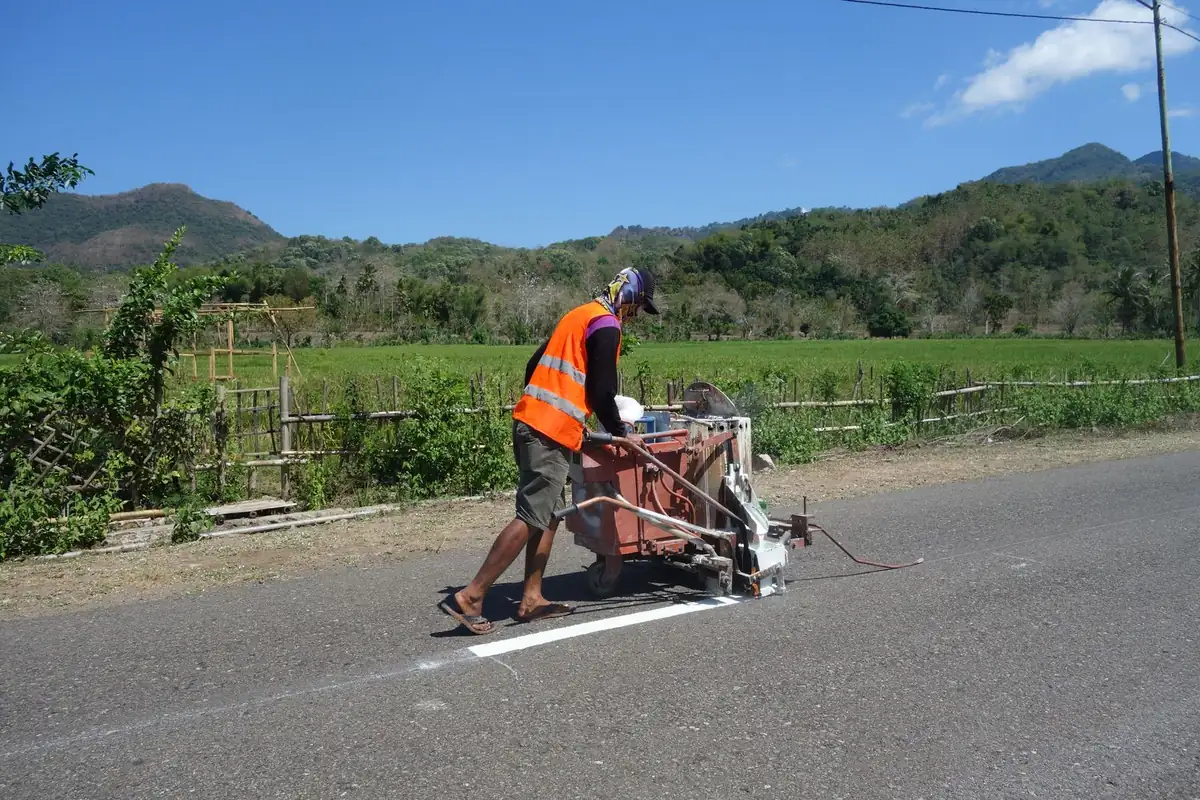
Calming devices take concentrated impact and need their markings refreshed more often than the surrounding road. Faded markings on a speed hump are both less effective and more of a liability than no hump at all.
Need a Free Estimate?
Iron Ridge Pavement gives upfront, no-obligation pricing on paving, sealcoating, striping and repairs across Florida.
Iron Ridge Pavement installs and maintains traffic calming for Central Florida communities. Ask us what suits your street.