Pavement on the barrier islands and the coastal strip faces a different environment from the same asphalt fifteen miles inland, and the difference shows up sooner than most property owners expect.
What salt air actually does
Asphalt itself is not corroded by salt the way steel is. What salt air does is more indirect and it is still expensive.
- Windblown sand abrades the surface continuously, wearing away the fine aggregate and exposing the binder to UV.
- Salt crystals in surface pores go through repeated wetting and drying cycles, which works at the surface texture over time.
- Everything metal — drainage grates, bollards, edge restraints, fasteners in wheel stops — corrodes visibly and fast.
- Higher humidity and dew keeps surfaces damp longer, and damp asphalt oxidises differently from dry asphalt.
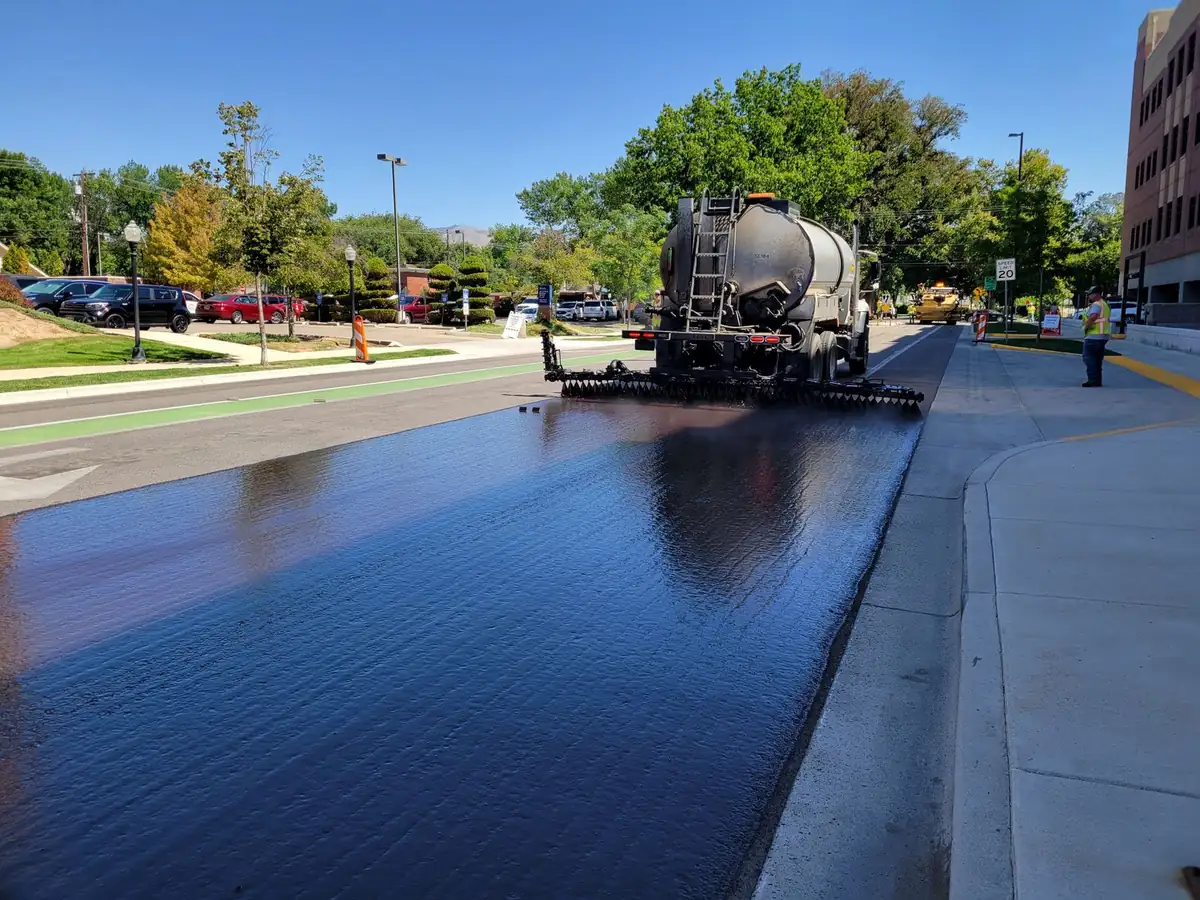
On the coast, sealcoating stops being cosmetic and becomes the actual protective layer.
What to do differently
The practical adjustments are not complicated but they do need to be deliberate.
The base question on barrier islands
Sandy sub-base drains superbly, which is genuinely helpful. What it does not do well is hold compaction under load without proper preparation and stabilisation. Pavement laid over inadequately prepared beach sand moves, and no thickness of asphalt fixes a base that will not hold still.
Need a Free Estimate?
Iron Ridge Pavement gives upfront, no-obligation pricing on paving, sealcoating, striping and repairs across Florida.
Iron Ridge Pavement works the Volusia and Brevard coast — Ormond Beach, Port Orange, New Smyrna, Merritt Island and Cocoa. Get an estimate.