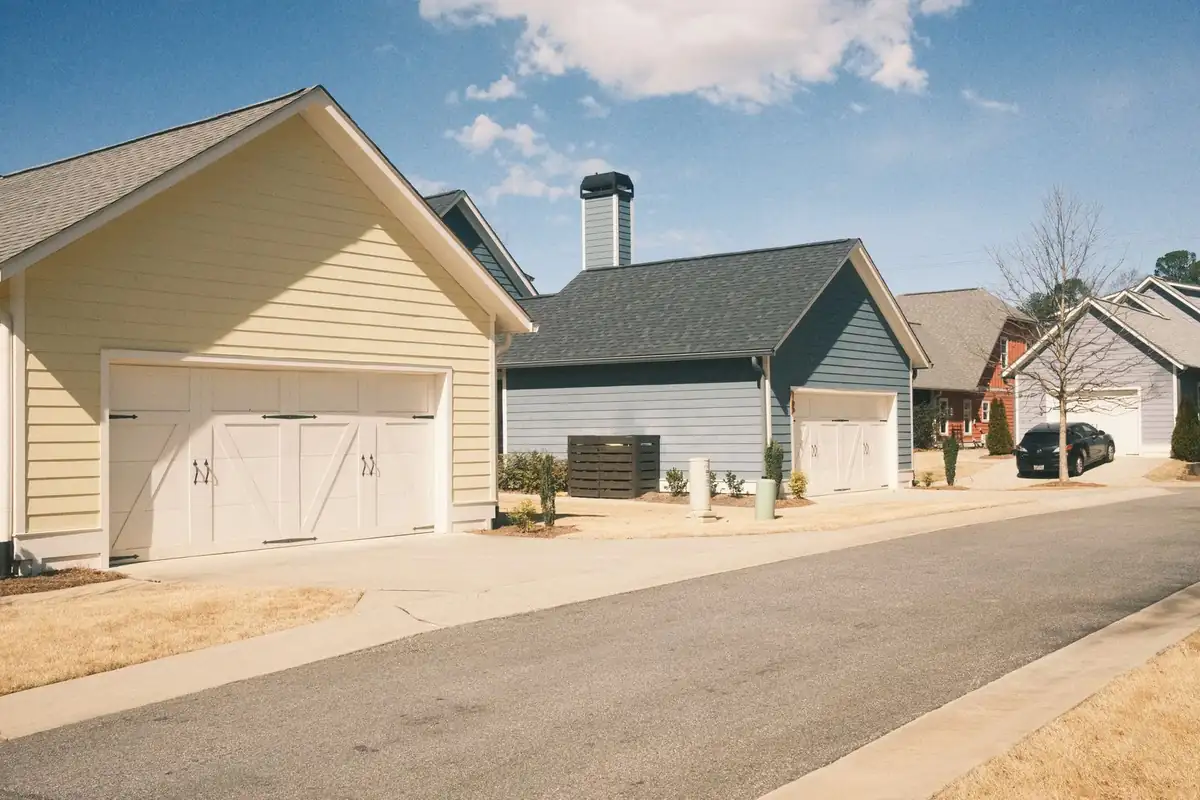
Winter Park and Maitland are among the most established residential areas in Central Florida, and their driveways show it. Many were laid decades ago, many sit under a canopy of live oaks, and a good number back onto the chain of lakes. Paving here is less about open ground and more about working around what is already there.
Shade changes the maintenance cycle
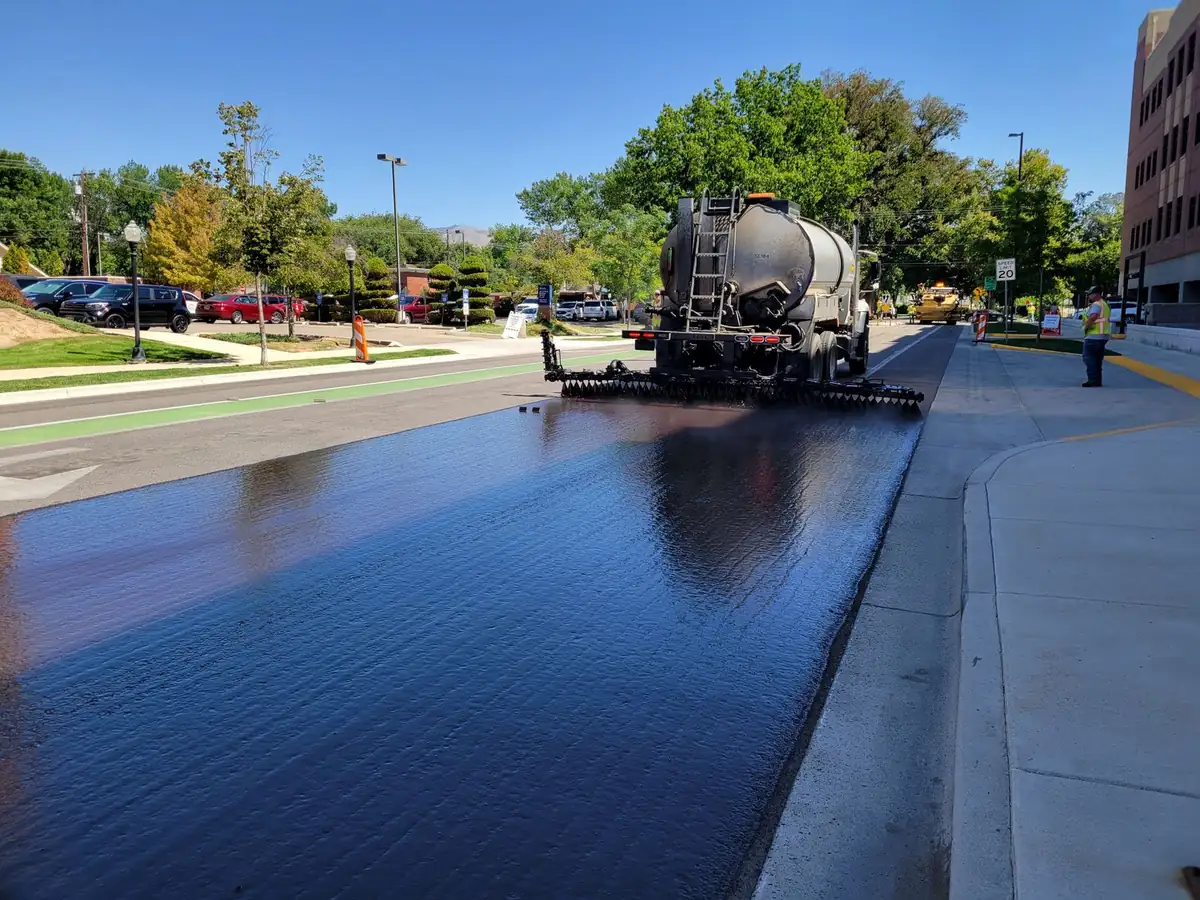
Full sun oxidises asphalt fast, which is the usual Florida story. Heavy shade brings a different set of problems. Shaded driveways stay damp long after the sun ones have dried, which means algae, mildew and leaf staining take hold on the surface and keep it wet from above. Sealcoat cures more slowly in shade, so timing and drying intervals stretch. And the constant leaf and acorn drop means the surface needs regular cleaning to stay clear.
The upside is that shaded asphalt fades more slowly and often needs sealcoating less frequently than a driveway baking in the open in Apopka or Kissimmee. The interval depends on the property, and we look at each one rather than quoting a rule.
Roots are the main structural issue
- Live oak roots run shallow and wide, and they lift pavement from below in long ridges that follow the root line.
- Cutting a root to fix the pavement can harm a protected tree. Winter Park in particular has tree ordinances, so root work near a mature oak should be discussed with the city before it starts.
- Options include grinding the heave and overlaying with a flexible section, re-routing part of the driveway around the root zone, or building a thicker, more flexible pavement section that tolerates minor movement.
- Root barriers can be installed along a new driveway edge to redirect future growth, where the tree's health allows.
In Winter Park the tree was usually there first, and the driveway has to be built to live with it.
Older base, unknown history
Many driveways in the older neighbourhoods have been overlaid more than once. Some sit on a base built to a good standard decades ago; some sit on almost nothing. When we assess a driveway here, we look at how it has failed as much as where. Uniform surface wear over a firm base points to an overlay. Localised sinking, alligator cracking or edge collapse points to base work first. Our post on overlay versus full replacement covers how that decision is made.
Lakefront and low lots
Properties on or near the lakes often sit close to the water table, which affects how the base behaves in the wet season. A driveway that drains toward the lake side of the lot needs a base that is not going to sit in water for weeks in August. Drainage design matters more here than on a high, sandy lot. Our post on driveway drainage in Florida goes through the options.
Matching the neighbourhood
Winter Park's brick streets and the character of its older homes mean owners often want a driveway that looks right, not just one that works. Clean, straight edges, a paver or brick border at the street, and a deep, even sealcoat finish go a long way. We build driveways here to the same structural standard as everywhere else and pay closer attention to the finish.
Access is the other practical consideration on these streets. Narrow lots, mature trees close to the drive and brick roads that should not take heavy equipment mean the paving plan has to account for where the trucks will park and how the material gets in. We look at that on the estimate visit so there are no surprises on the day.
Need a Free Estimate?
Iron Ridge Pavement gives upfront, no-obligation pricing on paving, sealcoating, striping and repairs across Florida.
Iron Ridge Pavement LLC paves and maintains driveways throughout Winter Park, Maitland and the surrounding Orlando area. Request an estimate.