Most commercial parking lots in Central Florida are asphalt, and there are reasons for that beyond habit. But concrete lots exist, especially at heavy-duty facilities, and property owners planning a new lot in Orlando, Sanford or Kissimmee sometimes ask whether they should consider it. The comparison for a commercial lot is different from the one for a driveway, and worth going through on its own terms.
Load and use
Concrete is a rigid pavement. It carries load by spreading it across a slab, which makes it well suited to areas with heavy, concentrated, slow-moving loads: dumpster pads, loading docks, truck aprons and fuel islands. Asphalt is a flexible pavement. It carries load by transferring it down through the layers to the base, and it handles the mixed, repeated traffic of a general parking lot well as long as the base is right.
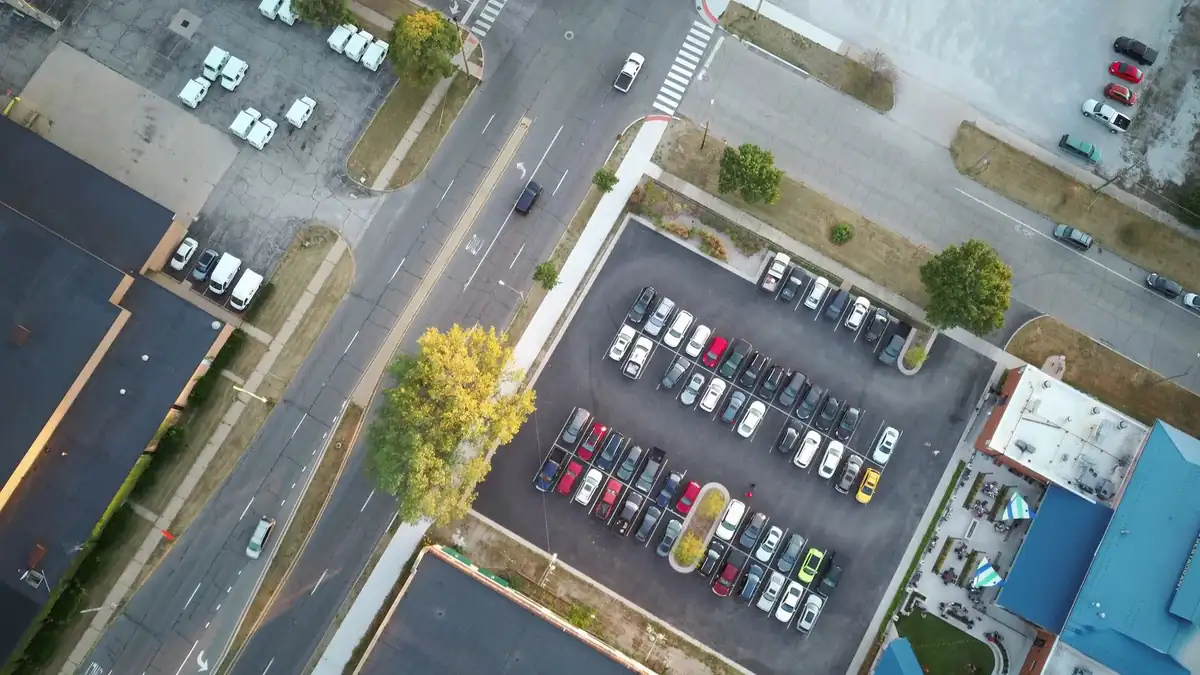
Many lots combine the two: asphalt for the parking bays and drive aisles, concrete pads where the dumpster sits and where trucks unload. That is often the most practical arrangement. Our post on heavy-duty asphalt for truck yards and loading docks covers what asphalt needs to do in those areas.
Heat and the Florida sun
- Asphalt absorbs heat and softens slightly in extreme afternoon sun, which is why point loads mark it in summer. It also oxidises and needs sealcoating to stay protected.
- Concrete reflects more heat and stays firmer, but it expands and contracts and needs control joints, which crack and need sealing. It can also stain and spall.
- Both are affected by Central Florida's water. Asphalt over a wet base fatigues; concrete over a wet base can crack and heave at the joints.
Asphalt gives you a lot you can renew. Concrete gives you a lot you replace.
Repairs and downtime
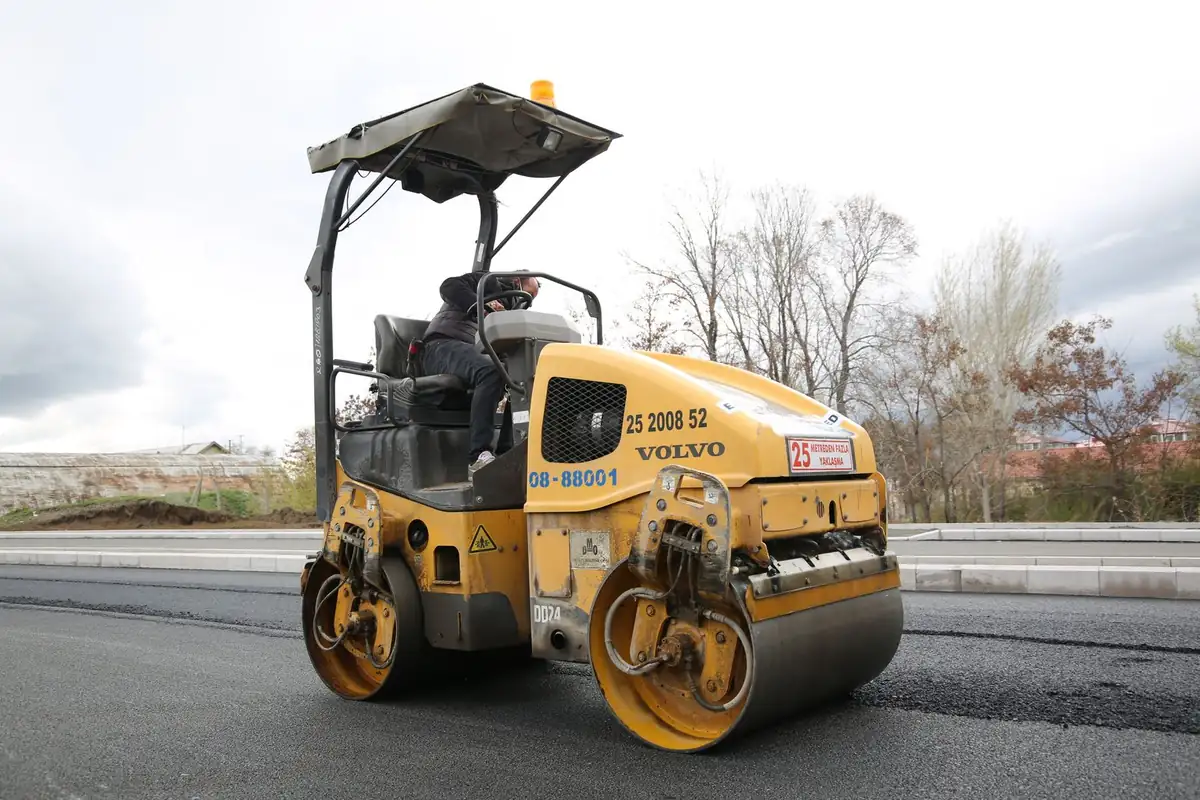
This is the practical difference for a business. Asphalt repairs are fast. A pothole can be cut out and patched, a worn section can be milled and overlaid, and the lot is usually open to traffic the same day or the next. Sealcoating and re-striping refresh the whole surface in a short window. Concrete repairs mean removing and re-pouring panels, and the new concrete needs days to cure before it can carry vehicles. For a retail property in Altamonte Springs or a medical office in Lake Mary, that downtime is a real cost. Our post on minimising business disruption during paving explains how asphalt work is scheduled around operations.
Striping and appearance
Striping shows up sharply on black asphalt, and a fresh sealcoat and re-stripe transforms how a property looks. Striping on concrete has less contrast and often needs a different paint system. Asphalt can also be renewed to a like-new appearance with an overlay when it reaches the end of a cycle, which concrete cannot. Our striping service page covers what a well-marked lot involves.
Long-term maintenance
Asphalt asks for a maintenance program: sealcoating on a schedule, crack filling, prompt patching, and an overlay when the surface reaches the end of its life. In exchange it can be kept serviceable for a long time without a full rebuild. Concrete asks for less frequent attention but the attention it needs is larger: joint sealing, panel replacement, and eventually full replacement. Our pavement maintenance programs are built around the asphalt cycle.
For most owners the decision comes down to how the lot is used and how the business tolerates closures. A distribution yard with slow, heavy trucks and a quiet weekend may lean toward concrete in the working areas. A retail centre, an office park or a community lot that needs to stay open and look sharp is nearly always better served by asphalt, with concrete only where the loads demand it.
Need a Free Estimate?
Iron Ridge Pavement gives upfront, no-obligation pricing on paving, sealcoating, striping and repairs across Florida.
Iron Ridge Pavement LLC builds and maintains asphalt commercial parking lots across Orlando, Sanford, Kissimmee, Lake Mary and Central Florida. Request an estimate.