Distribution centres along the I-4 corridor, industrial parks around Sanford and Apopka, and the back-of-house areas behind every large retail property in Orlando share a problem: pavement that was built as if it were a parking lot and is being used as a truck route. The failures are predictable, and so is the fix, but the fix has to be designed rather than assumed.
What trucks do to pavement
A loaded tractor-trailer puts many times the load of a passenger car through each axle, and it concentrates that load in a small tire contact area. That alone demands a thicker, stronger pavement section. But the damage in truck areas is rarely on the straight runs. It is at the turns, where tires under load twist on the surface and shear it, and at the docks, where trailers sit for hours or days on landing gear that puts a point load onto a few square inches of asphalt.
Forklifts add a third pattern. Small, hard wheels carrying heavy pallets across a dock apron scrub and rut the surface in tight, repeated paths. Central Florida's afternoon heat makes all of this worse, because the asphalt softens in the sun and marks more easily.
What heavy-duty construction involves
- A deeper, well-compacted aggregate base, and often stabilisation of the subgrade beneath it, because the base carries the load the asphalt transfers down.
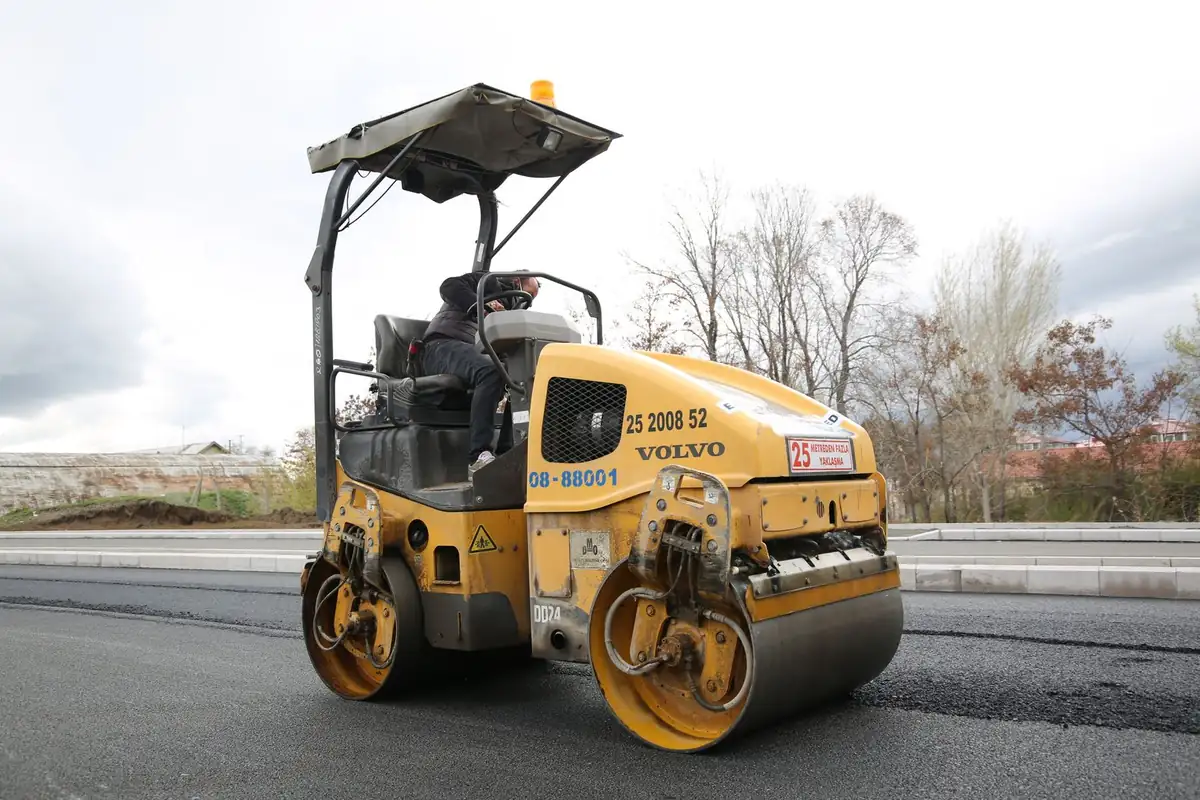
- Thicker asphalt placed in multiple lifts, each properly compacted, rather than one thick lift that cannot be densified through its full depth.
- A mix designed for heavy loads, with a stiffer binder and an aggregate structure that resists rutting in heat.
- Concrete pads at dock aprons and trailer landing-gear zones, where static point loads are beyond what any asphalt handles well.
- Drainage designed so that water never sits in the base under the heaviest traffic.
The failures on industrial property are almost always at the turns and the docks. Build those areas differently and the rest of the yard takes care of itself.
Zoning the site
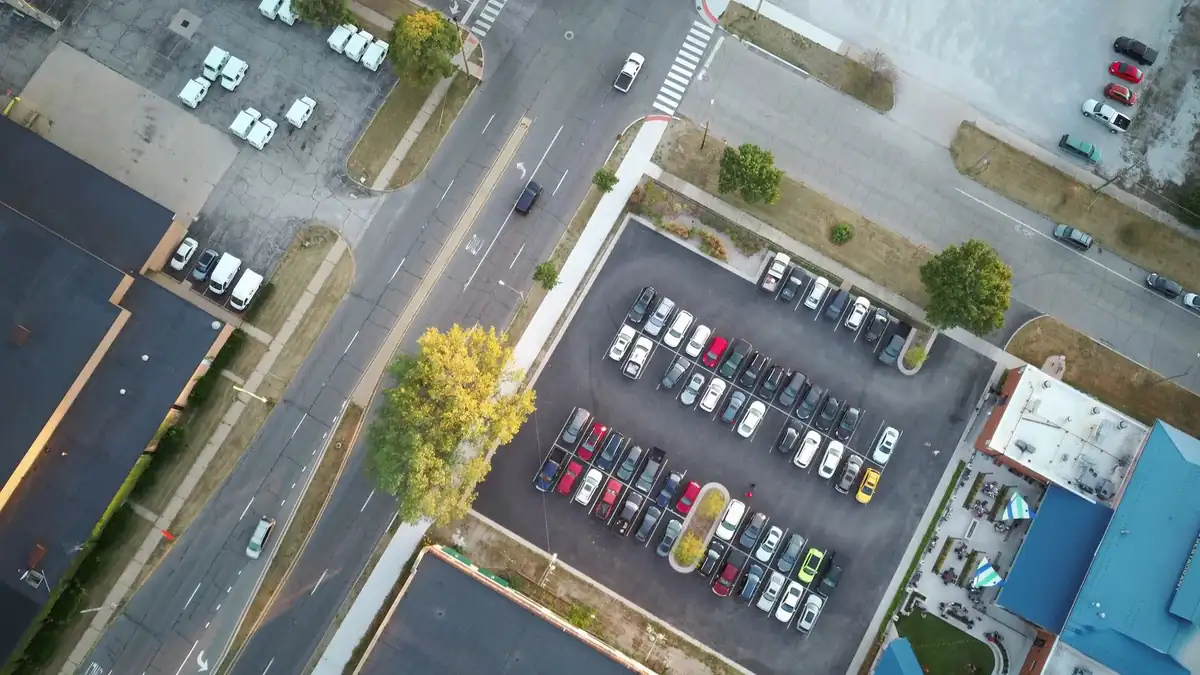
The most cost-effective approach is not to build the whole site to truck specification. It is to identify where the trucks actually go and build those routes, turning areas and dock aprons heavily, while the car parking and light-traffic areas are built to a normal standard. That requires understanding how the site operates before it is paved. Our post on paving for retail, industrial and multi-family properties covers the same zoning idea across property types.
Maintaining a truck yard
Heavy-duty pavement still needs maintenance. Rutting in turning areas, ravelling where forklifts scrub, and cracking along the edges of dock aprons are the things to watch. Sealcoating on a truck yard is less about appearance and more about keeping fuel and hydraulic fluid drips from softening the surface. Repairs should be full-depth and made promptly, because a small failure under truck traffic becomes a large one fast. Our pavement maintenance programs are set up for that kind of property.
Converting a lot that was built too light
If your truck route was built to car specification, the realistic options are to rebuild the truck areas to a heavier section, or to re-route trucks onto areas that can be rebuilt. A mill-and-overlay across the whole yard will not fix a base that is too thin under the loads. Our post on overlay versus full replacement explains why.
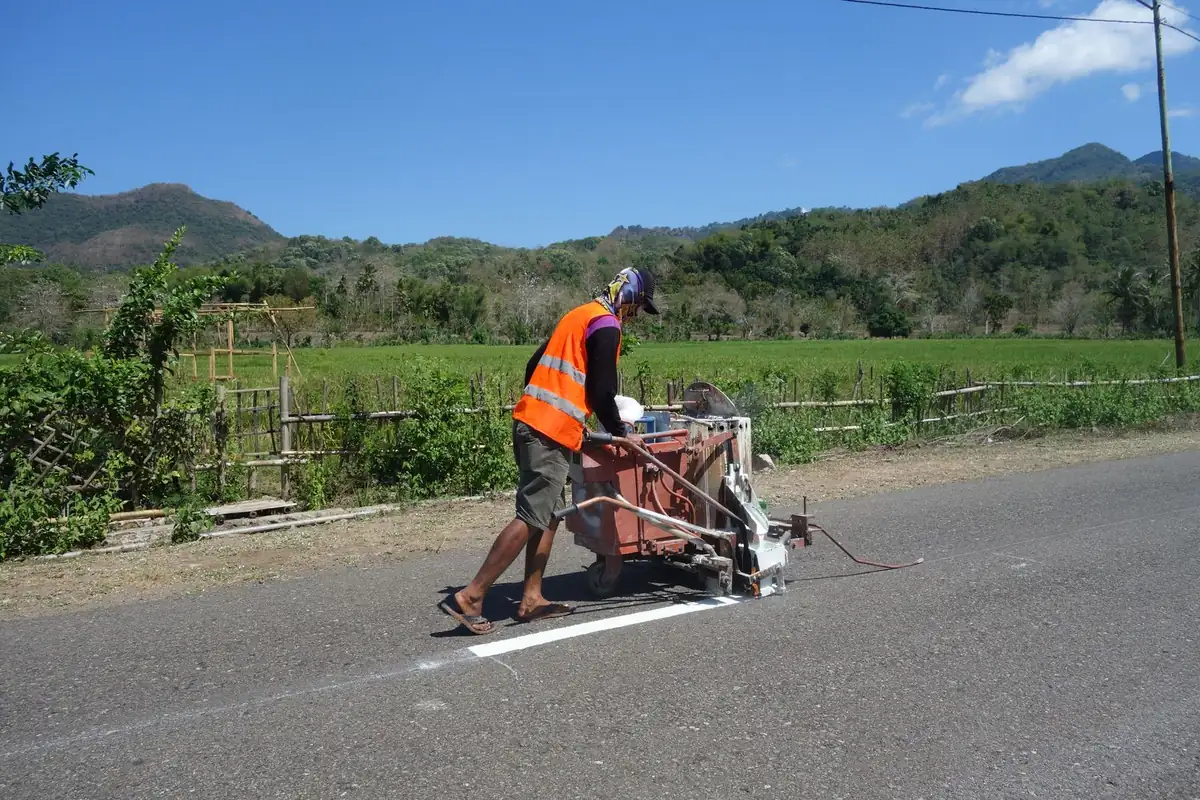
Striping and signage matter more on a truck yard than owners expect. Marked truck routes, clearly defined dock positions and no-parking zones keep trucks on the pavement built to carry them and off the car areas that were not. That protects the lighter pavement as much as any material choice does.
Need a Free Estimate?
Iron Ridge Pavement gives upfront, no-obligation pricing on paving, sealcoating, striping and repairs across Florida.
Iron Ridge Pavement LLC builds and maintains heavy-duty asphalt for industrial and commercial properties across Orlando, Sanford, Apopka and Central Florida. Request a site assessment.