Asphalt is a big-ticket asset, and like any asset it lasts far longer when it's maintained on a schedule instead of fixed in a panic. A neglected lot fails from the inside out — small cracks let water into the base, the base softens, and what could've been a $200 crack-fill becomes a five-figure repave. This checklist keeps you ahead of that curve.
Use it as a working document. Print it, hand it to your property manager, and run through it on the cadence below.
Every 1 to 3 Months: Walk the Lot
The cheapest maintenance is your own eyes. Once a quarter (monthly for busy lots), walk the whole surface and note:
- New cracks — hairline, alligator (interconnected), or edge cracking
- Potholes or soft, spongy spots underfoot
- Standing water 24+ hours after rain (a drainage red flag in Florida)
- Faded striping, ADA symbols, and fire lanes
- Oil and chemical stains that eat into the surface
- Raveling — loose aggregate coming up like gravel
Catch these early and each one is a small, cheap fix. Ignore them and they compound.
As Needed: Crack Filling and Repairs
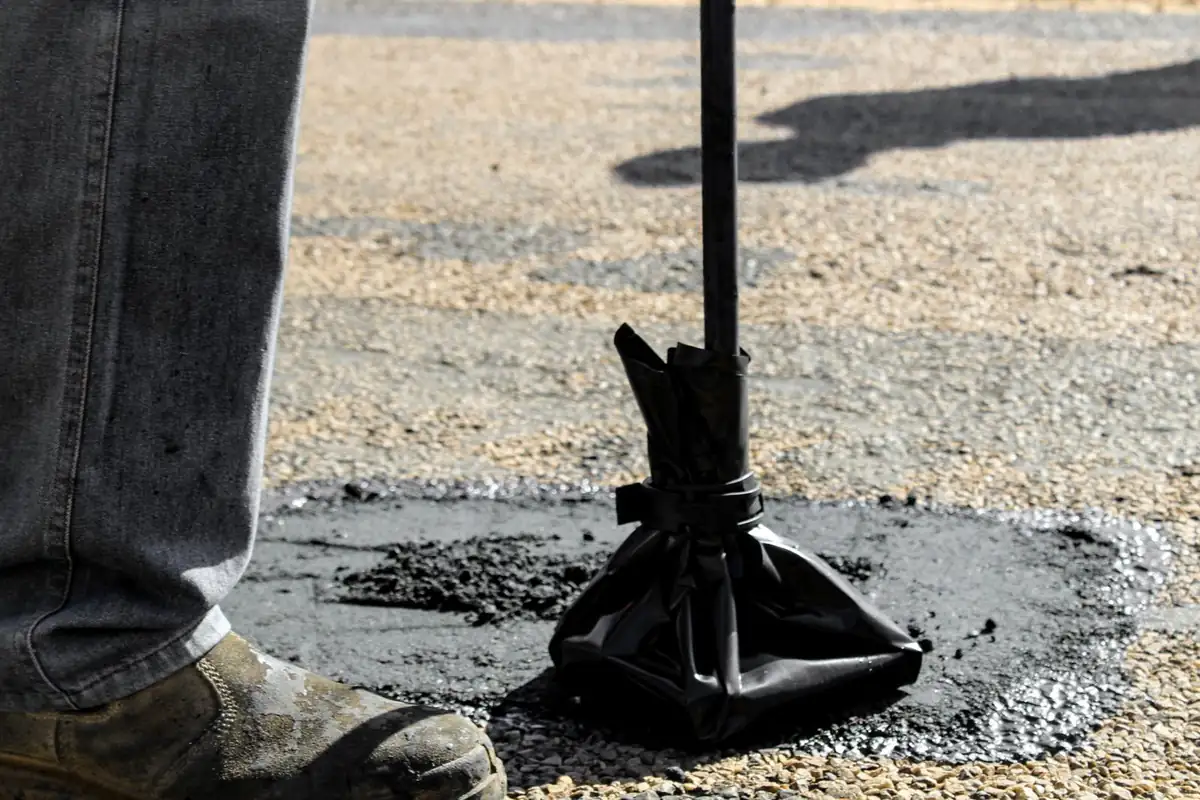
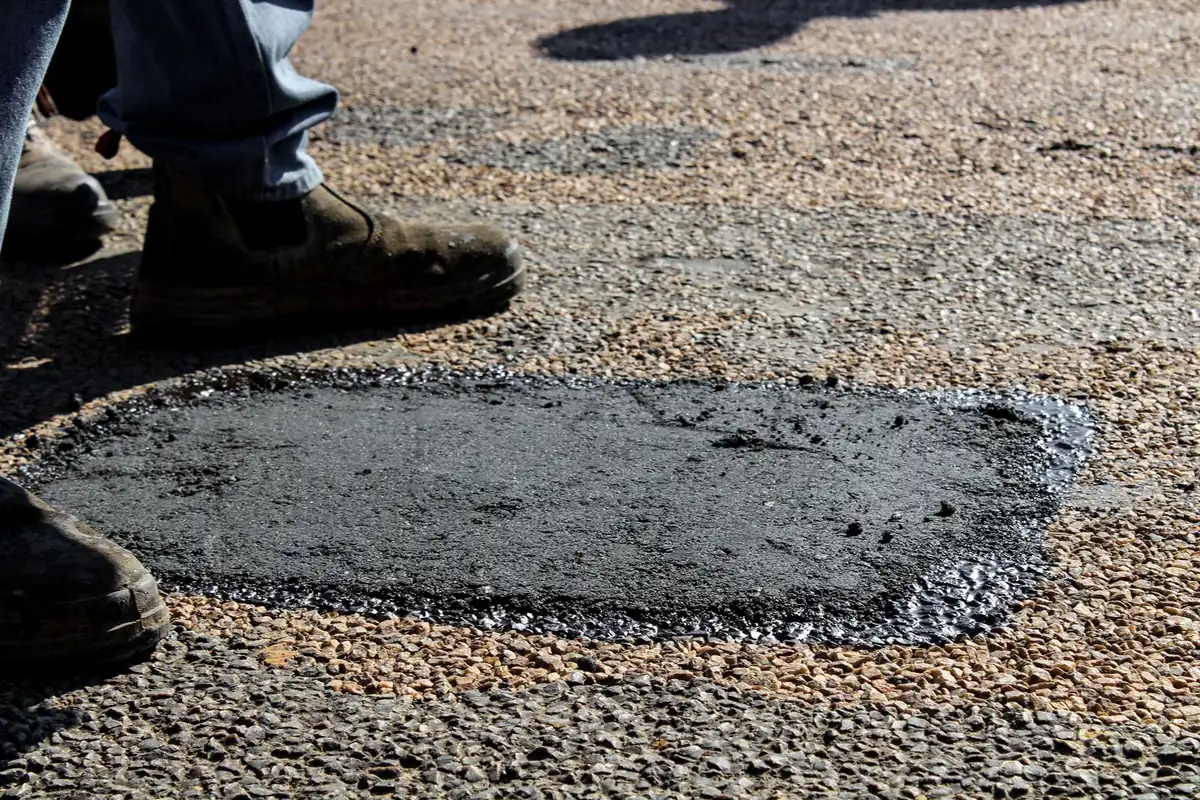
Cracks are the number one enemy because they're the doorway for water. In Florida, water in the base plus daily heat cycling breaks asphalt down fast. Fill cracks as they appear with crack filling, and knock out potholes and failed sections with targeted asphalt repairs before they spread.
Every dollar spent sealing a crack early saves many dollars in base repair later. Water is what kills asphalt — everything else is just the symptom.
Every 2 to 3 Years: Sealcoating
Sealcoating is the sunscreen for your asphalt. It shields the surface from UV, oxidation, oil, and water, and restores that deep black finish. On a Central Florida commercial lot, plan on sealcoating every 2 to 3 years — sooner if the surface is graying and drying out. It's the single highest-ROI maintenance task for extending pavement life.
Every 1 to 3 Years: Re-Stripe
Sync your striping with sealcoating — the fresh coat covers the old lines, so you re-stripe on top. Keep ADA and fire-lane markings sharp between cycles; those can't be allowed to fade. Our post on how often to re-stripe lays out the timing in detail.
Ongoing: Drainage and Housekeeping
Small habits protect the big investment:
- Keep drains, catch basins, and swales clear of debris
- Sweep regularly — grit and sand grind at both asphalt and striping
- Address low spots that hold water before they undermine the base
- Clean up oil and fuel spills promptly
The Long View: Resurfacing vs. Replacement
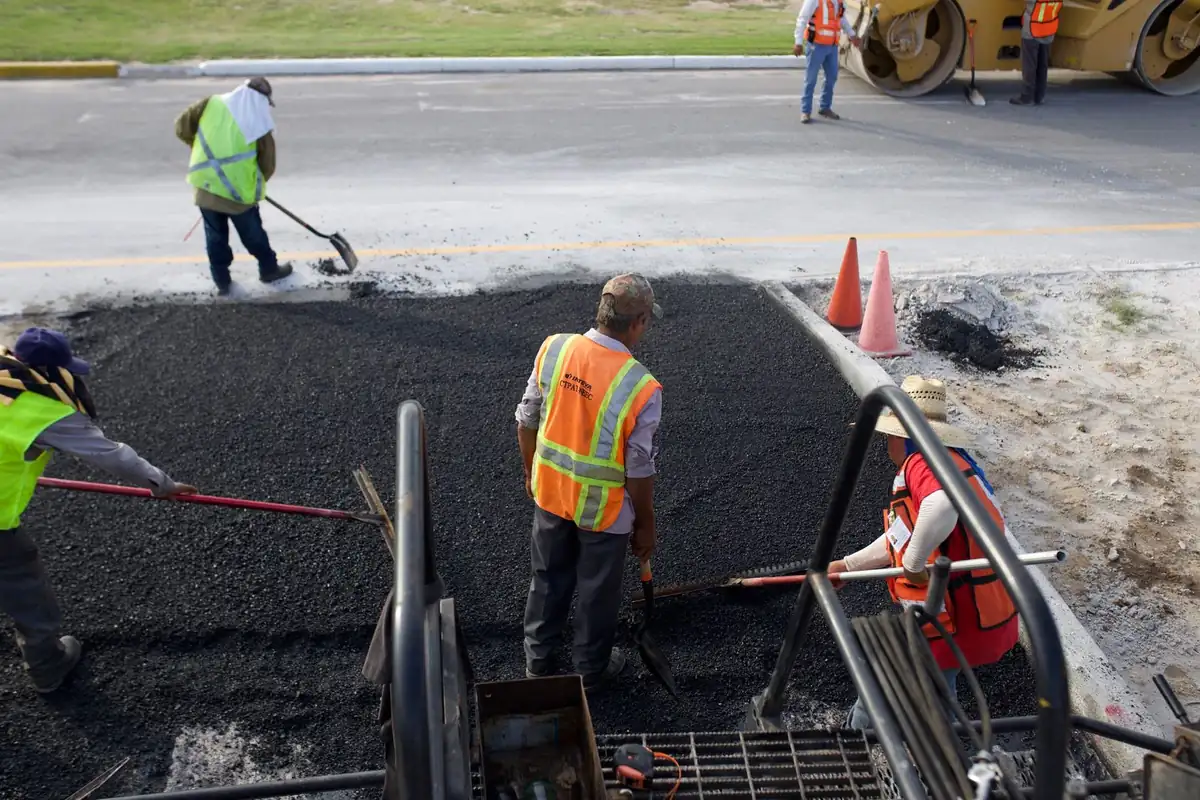
Maintained well, a lot with a still-solid base can be resurfaced — a new wear layer over the old — instead of fully replaced, at a fraction of the cost. That's the payoff of this checklist: you preserve the base long enough to resurface rather than rebuild.
Your At-a-Glance Cadence
If you take one thing from this checklist, make it the schedule. Put these on the calendar and the reactive fire drills largely disappear:
- Monthly to quarterly: walk the lot, note cracks, potholes, standing water, and faded markings
- As needed (don't wait): fill new cracks and patch potholes the moment they appear
- Every 2 to 3 years: sealcoat and re-stripe together
- Annually: get a professional condition assessment — a second, trained set of eyes catches base problems before they surface
- Ongoing: keep drains clear and clean up spills promptly
An annual professional look matters because the most expensive failures start below the surface, where a homeowner's walkthrough won't catch them. A contractor who paves for a living reads the early warning signs — subtle depressions, edge raveling, drainage patterns — long before they become potholes.
The Bottom Line
Inspect quarterly, fill cracks fast, sealcoat every 2 to 3 years, re-stripe on cycle, and keep water moving. Do that and your lot lasts decades instead of years. Want a professional condition assessment and a maintenance plan built around your lot? Reach out for a free estimate.
Need a Free Estimate?
Iron Ridge Pavement gives upfront, no-obligation pricing on paving, sealcoating, striping and repairs across Florida.