A pothole is the point where asphalt maintenance stops being optional. It's an active hazard, a growing repair bill, and a liability risk all at once — and unlike a faded surface or a hairline crack, it gets meaningfully worse every single week you leave it. The case for fast pothole repair is one of the strongest in all of pavement care.
Potholes only grow
A pothole has no reason to stop. Every vehicle that drops into it hammers the edges and knocks loose more material. Every Florida rain pours water into the hole and washes out more of the base beneath it. The hole gets wider, deeper, and undermines more of the surrounding pavement as it goes.
A pothole is the only pavement problem that actively recruits new damage. Every car and every rainstorm makes it bigger.
That's why a hole you could have patched for a modest cost this month becomes a much larger patch — or a section of resurfacing — a few months from now. The repair scope grows right along with the hole.
The Florida acceleration
Our climate makes potholes grow faster than in most of the country. The daily summer downpours mean each hole gets flooded and its base washed out again and again, while 140°F surface heat keeps the surrounding asphalt soft and easy to break apart. A pothole in Central Florida is on a fast clock.
The liability nobody thinks about
For commercial properties, a pothole isn't just a repair cost — it's a legal exposure. A customer who trips and falls, or a vehicle damaged by a deep hole in your parking lot, can turn into a claim that dwarfs the cost of the repair. Fast patching isn't only about the pavement; it's about protecting the business.
Not every patch is created equal
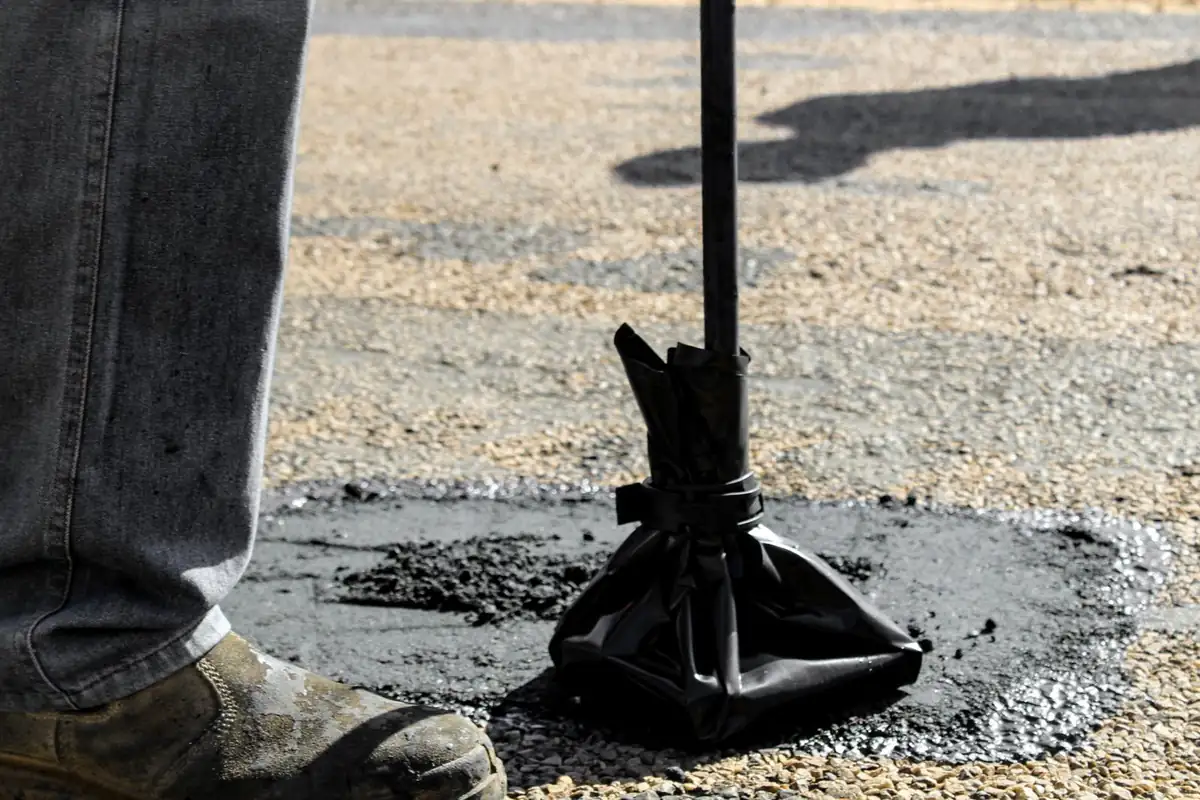
There's a real difference between a fast temporary fix and a permanent repair, and both have their place. A cold-mix throw-and-go patch can make a hazard safe in minutes when you need it handled today — useful before a busy weekend or to stop a claim risk immediately. But it's a stopgap, not a solution, and it will need replacing. A proper hot-mix repair with the base rebuilt is the permanent fix. The smart move is often to make a hole safe fast, then schedule the real repair before the next rainy stretch undoes the temporary patch. What you never want is to keep re-filling the same hole with cold mix season after season — that costs more over time than doing it right once.
How proper pothole repair works
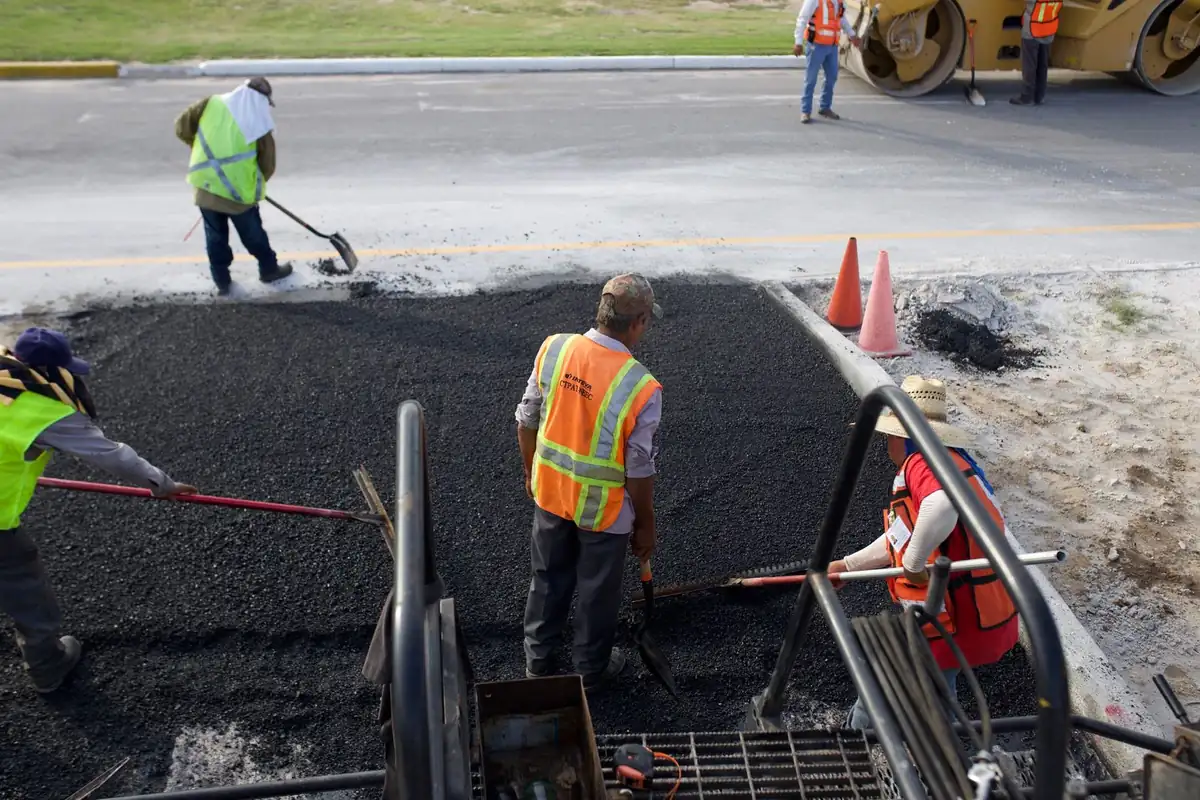
A patch that lasts isn't a shovel of cold mix dumped in the hole. Real asphalt repair means:
- Squaring out the damaged area and removing loose, failed material.
- Repairing and re-compacting the base so the patch has solid support.
- Filling with fresh hot asphalt and compacting it flush with the surface.
Done right, the patch bonds to the surrounding pavement and holds. Done cheap, it pops out in a season and you're back where you started.
Catch them before they form
The cheapest pothole is the one that never forms. Since nearly every pothole starts as an unfilled crack, staying on top of crack filling and a regular maintenance schedule is how you avoid them entirely. See our guide on why small cracks become big problems for the full chain of events.
There's also a reputation cost to leaving potholes sitting. A lot full of craters tells every customer who pulls in that the property isn't being looked after, and that impression carries over to the business itself. A smooth, well-kept surface does the quiet opposite. Fast repair protects your pavement, your liability exposure, and the way your property reads to everyone who parks on it.
Got a pothole spreading on your property? The sooner we patch it, the smaller and cheaper the fix. Reach out and we'll take care of it.
Need a Free Estimate?
Iron Ridge Pavement gives upfront, no-obligation pricing on paving, sealcoating, striping and repairs across Florida.