Pavement doesn't fail all at once. It fails a little at a time — a hairline crack here, a faded patch there — and then one day you're staring at a repaving bill you could have avoided for a tenth of the cost. The difference between those two outcomes is a maintenance schedule.
Here's a practical, Florida-tuned schedule for keeping asphalt healthy and cheap to own. Follow it and you'll spend small amounts predictably instead of large amounts unexpectedly.
Every few months: look and clean
- Walk the pavement and note any new cracks, soft spots, or pooling water after rain.
- Clear leaves, dirt, and debris that trap moisture against the surface.
- Clean up oil and gas spills quickly — they dissolve the binder.
This costs nothing but ten minutes and it's how you catch the problems that are cheap to fix.
Every year: fill the cracks
Cracks are the front door for water, and water is what turns a surface problem into a structural one. Every crack you fill this year is a pothole you don't pay for next year. An annual pass of crack filling is the highest-return maintenance task there is. Our post on why small cracks become big problems explains the domino effect in detail.
Filling a crack costs a few dollars. Ignoring it until it becomes a pothole costs a few hundred. Same crack, very different price.
Every 2 to 3 years: sealcoat
This is the anchor of any Florida maintenance plan. A fresh sealcoat every 2 to 3 years re-arms your pavement against the UV and water that age it. Miss this cycle in Florida and the sun does damage that sealer can no longer undo. For the ideal timing, see our guide on the best time of year to sealcoat.
As needed: repairs and restriping
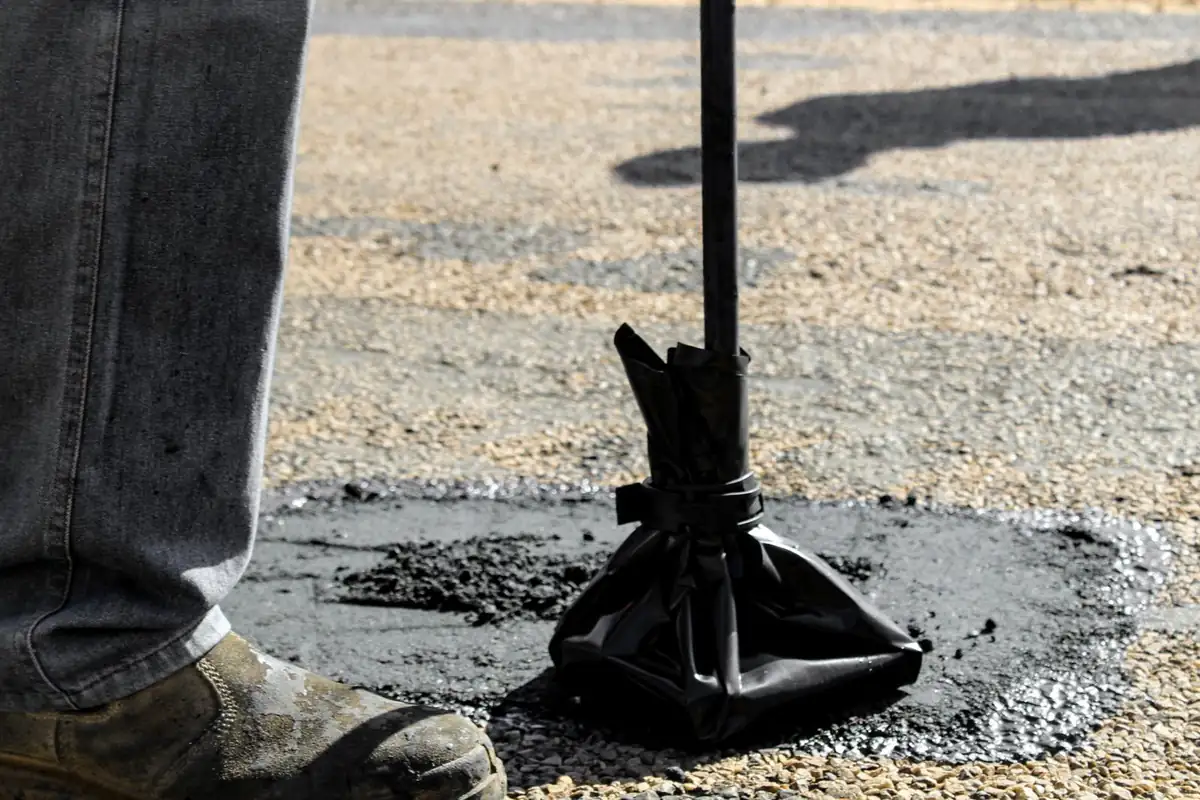
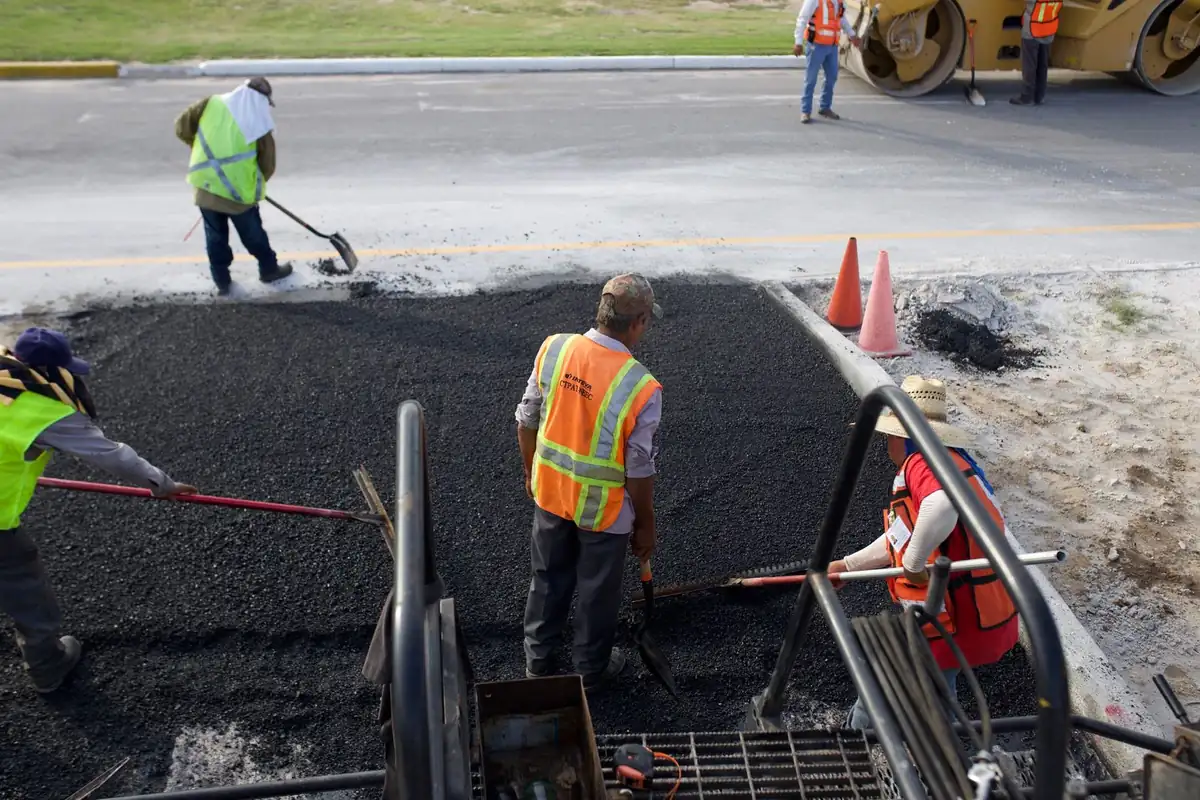
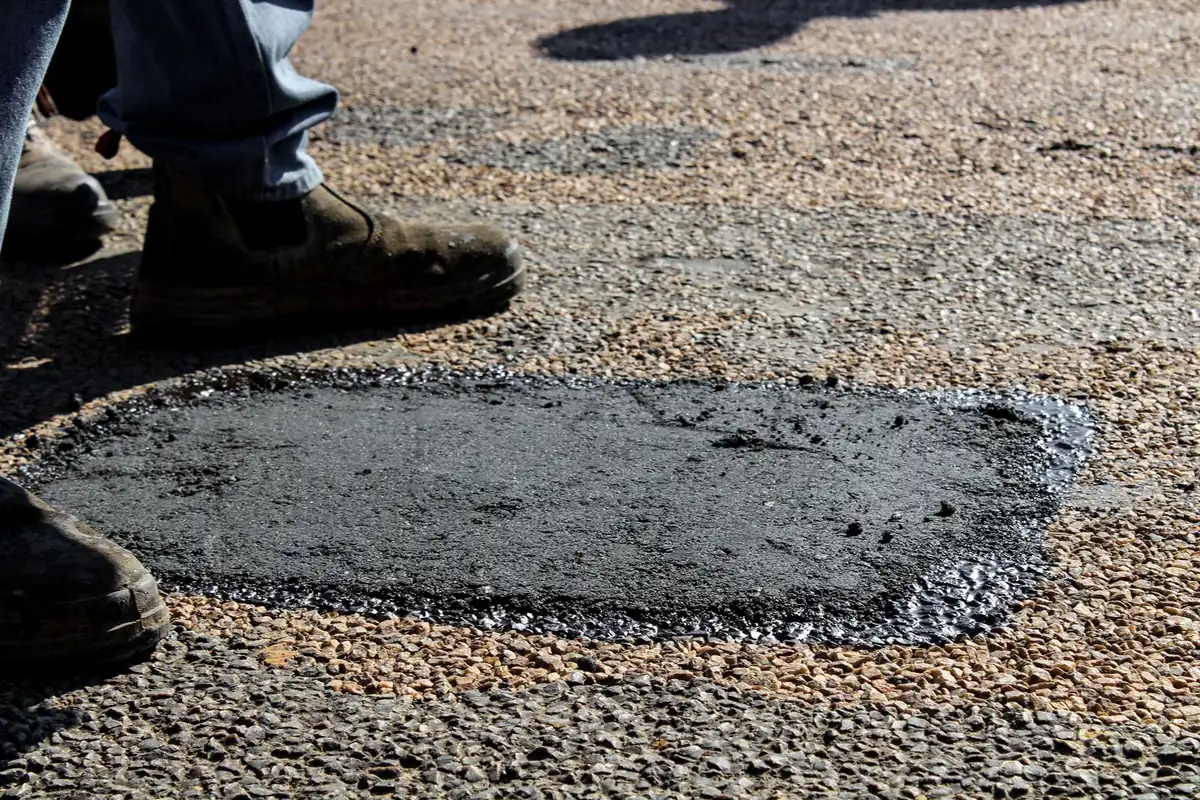
- Patch potholes and failed areas the moment they appear with asphalt repairs — small patches are cheap, spreading failures are not.
- Refresh striping on parking lots as lines fade, both for safety and for that maintained look.
A simple year-by-year rhythm
If you want to boil the whole thing down to a repeating cycle, it looks like this in Central Florida:
- Every year: inspect after the summer storm season and fill any new cracks before the next rainy season arrives.
- Year 1: sealcoat, fill cracks, restripe if it's a lot.
- Year 2: inspect, fill new cracks, patch any small failures.
- Year 3: sealcoat again, and repeat the cycle.
That rhythm keeps water and UV in check without ever letting a problem compound. The key is doing the small things on time, every time — the moment maintenance becomes reactive instead of scheduled, costs climb.
Why the schedule saves money
Every step above targets water and UV — the two forces that destroy pavement. Stop those two things and asphalt lasts 25 to 30 years. Let them run unchecked and you're looking at resurfacing or repaving in half that time. The schedule isn't an expense; it's the cheapest insurance policy you'll ever buy on a paved surface. Think of maintenance dollars as buying back years of pavement life at a steep discount — every dollar spent on time saves several down the road.
Let us run the calendar for you
Most property owners don't want to track all this. That's what a pavement maintenance plan is for — we inspect on schedule, flag what needs doing, and handle it before it becomes expensive. You just keep the keys.
A good plan also keeps records, which matters more than people expect. Knowing exactly when the surface was last sealed, where cracks keep coming back, and which areas have been patched turns guesswork into a plan. That history lets us predict what your pavement will need next season instead of reacting after something fails, and it's invaluable if you ever sell the property and a buyer wants to know how the asphalt has been cared for.
And the schedule compounds in your favor. A surface that's been sealed and crack-filled on time for years develops far fewer problems than one that's been ignored, so each visit finds less to fix. Neglect works the opposite way — skip a few cycles and every inspection turns up more, bigger, and costlier issues. Consistency doesn't just prevent damage; it makes the pavement progressively cheaper to maintain over its whole life.
Need a Free Estimate?
Iron Ridge Pavement gives upfront, no-obligation pricing on paving, sealcoating, striping and repairs across Florida.