Most failed driveways are not the victims of bad luck — they are the victims of predictable shortcuts. After years of tearing out other crews' work across Central Florida, the Iron Ridge Pavement team sees the same handful of mistakes over and over. Here they are, so you can spot them in a bid or avoid them entirely.
Mistake 1: skimping on the base
The single most common failure. A too-thin or under-compacted base cannot carry the load, so the asphalt above cracks and settles no matter how good it looks day one. This is where cut-rate bids hide their savings, because the base is invisible once the job is done. Avoid it: ask every contractor for the base thickness and compaction they include, and be suspicious of a bid that is dramatically cheaper — read our breakdown of why the base is everything.
Mistake 2: poor compaction
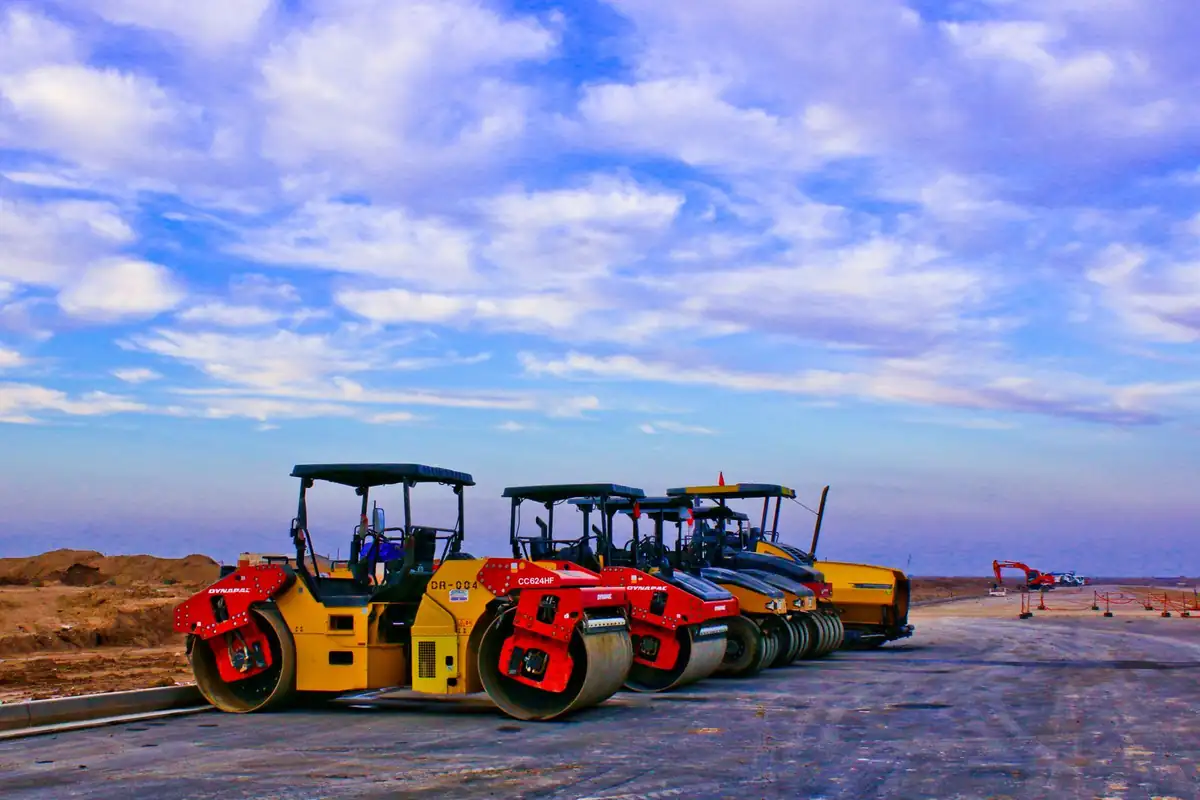
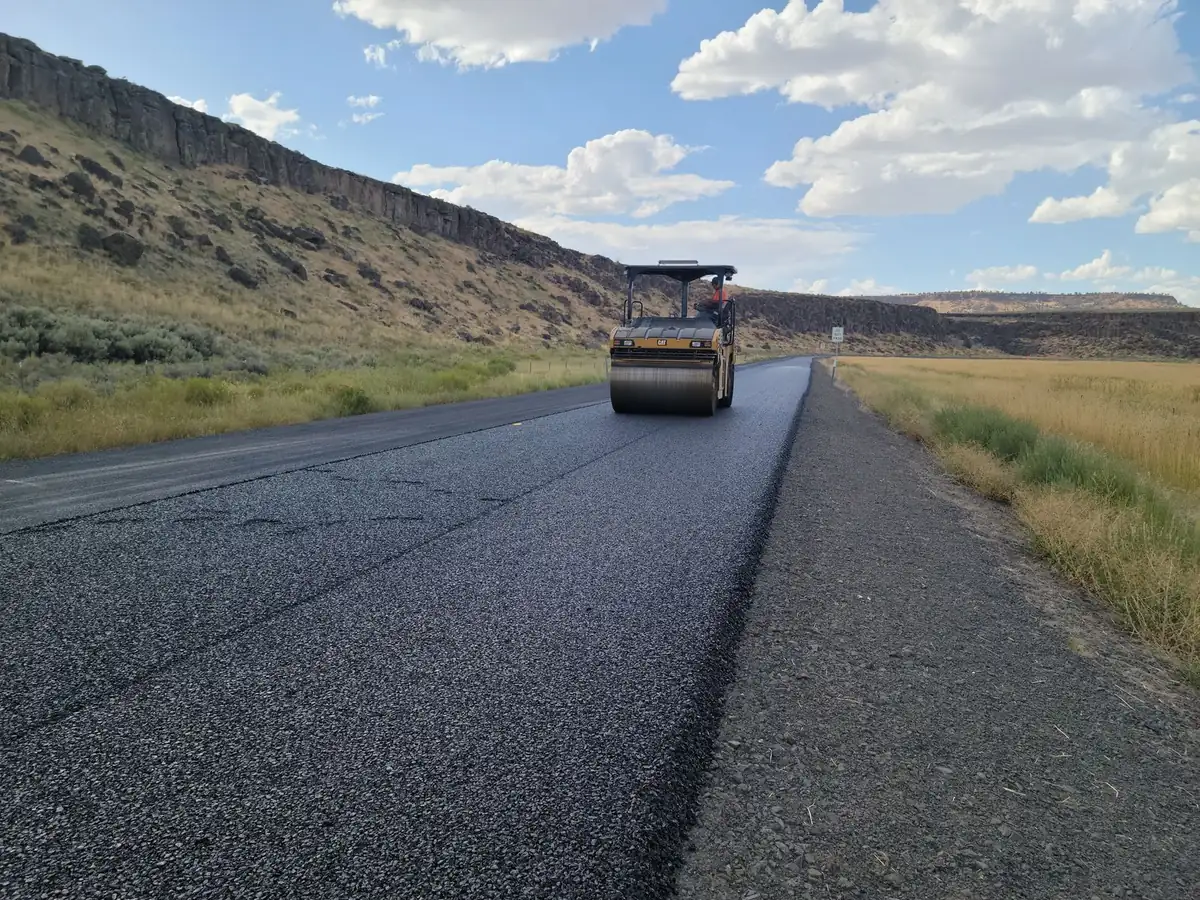
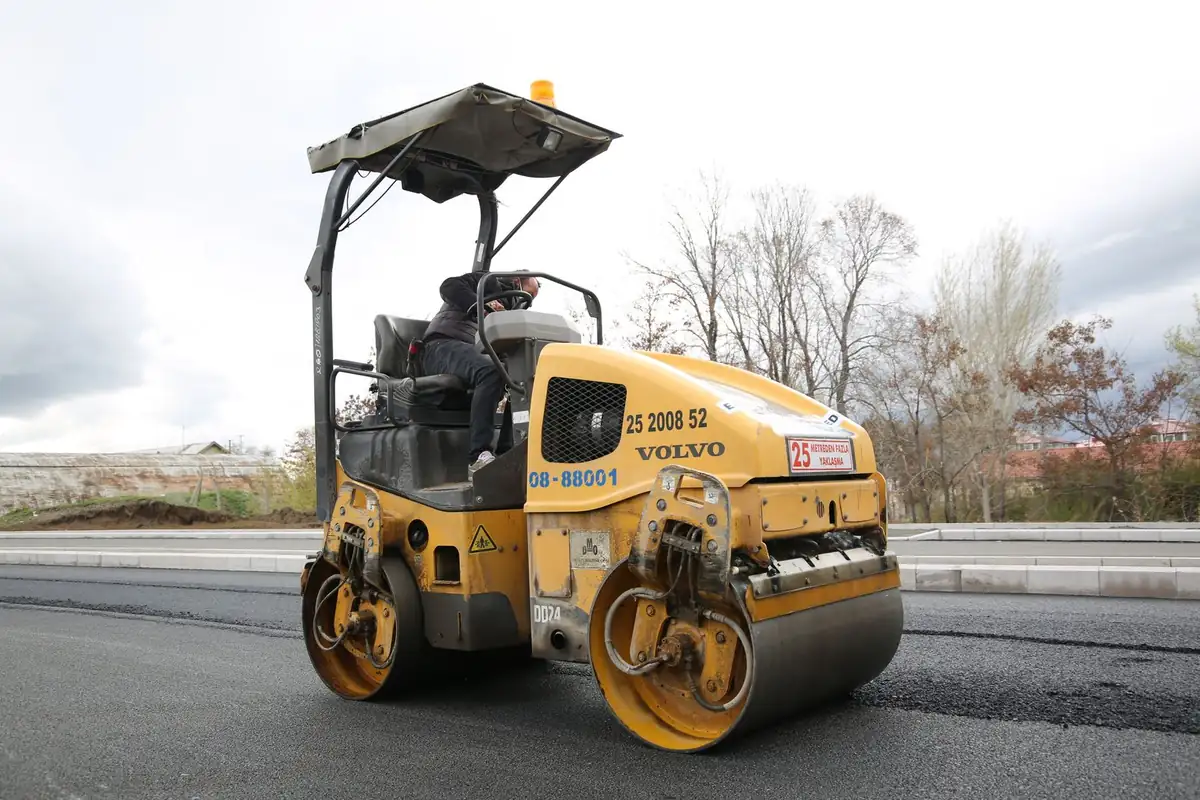
Both the base and the asphalt must be compacted — the base in lifts, the asphalt while it is still hot. Under-compacted asphalt is porous, soaks up water, and ravels apart. Avoid it: a real crew rolls the mat promptly while hot; watch that the roller is actually working the surface, not just making a pass for show.
Compaction is invisible in the finished job — which is exactly why the cheapest crews skip it.
Mistake 3: ignoring drainage
In Florida, this one is fatal. A flat driveway with no slope pools water, and standing water destroys asphalt from the surface down and the base up. Avoid it: insist on a graded slope of about 1–2% so water sheets off. Point out any spot that already floods so it gets solved before paving, not after.
Mistake 4: paving in the wrong weather
Asphalt must be laid and compacted while hot. Paving right before a Florida downpour, or on a base that is already wet, traps moisture and ruins the bond. Avoid it: a professional watches the forecast and will reschedule rather than lay a mat that is about to get rained on. Wet base, no pave.
Mistake 5: sealcoating too soon
Eager homeowners (and lazy contractors) sealcoat brand-new asphalt. New asphalt needs 6–12 months to cure and release its oils first, or the sealer will not bond and traps moisture. Avoid it: wait out the cure window, then start a sealcoating schedule. More on this in our first-year maintenance guide.
Mistake 6: unsupported edges
Driveway edges have no curb holding them, so they crumble when tires ride over them. Avoid it: back-fill the edges with soil after paving for lateral support, and keep wheels a few inches inside the border.
Mistake 7: driving on it too soon
Even a perfect install gets ruined by tire ruts and gouges if you park on it before it cures. Avoid it: stay off vehicles for at least 3–5 days per our guide on when you can drive on new asphalt, and keep heavy loads off for weeks.
Mistake 8: ignoring the first cracks
The cheapest repair in paving is the crack you fill early. Left open, it funnels water into the base every rain and becomes a pothole. Avoid it: inspect twice a year and fill cracks promptly with crack sealant.
The through-line
Nearly every mistake on this list comes down to one of two things: cutting corners underground, or letting water win. Hire a crew that will not shortcut the base or the drainage, then keep water off the surface with routine maintenance, and you avoid the failures that put most driveways in an early grave.
Need a Free Estimate?
Iron Ridge Pavement gives upfront, no-obligation pricing on paving, sealcoating, striping and repairs across Florida.
Iron Ridge Pavement does it right the first time across Orlando and Central Florida — proper base, correct slope, no shortcuts. Get a free estimate.