That thin crack in your driveway looks harmless. It isn't. In Florida, a hairline crack is an open invitation to the two things that destroy asphalt — water and the sun — and left alone it follows a predictable path from cosmetic nuisance to structural failure. Understanding that path is why smart property owners fill cracks the moment they appear.
How a small crack becomes a big problem
Here's the chain reaction, step by step:
- Water gets in. Every Florida rain runs water down into the crack and through to the base beneath the asphalt.
- The base erodes. That water washes away and softens the compacted base that supports the pavement, leaving voids.
- The edges break down. Traffic flexes the unsupported edges, and the sun widens the crack by making the binder brittle.
- It becomes a pothole. With the base gone and the edges crumbling, the surface collapses into a pothole.
A crack is just a pothole that hasn't grown up yet. Fill it now, or pay to fix the pothole later.
Why Florida speeds this up
Two local factors put this process on fast-forward. Our daily summer storms mean cracks get flooded far more often than in drier climates, so the base erodes faster. And our intense UV makes the asphalt around the crack brittle, so it widens and spreads more quickly. A crack you could have ignored for years up north demands attention within months here.
The economics are lopsided
This is the whole reason crack filling exists as a service. Filling a crack is one of the cheapest things you can do to pavement. Repairing the pothole it becomes — with base repair, patching, and compaction — costs many times more. Same spot, same crack, but the price tag multiplies the longer you wait. Our post on why fast pothole fixes save money carries this math further.
Not all cracks are the same
Part of reading your pavement is knowing which cracks are routine and which are a warning. A few common types:
- Hairline and linear cracks: thin, single cracks from normal aging and temperature movement. These are the easy ones — fill them and move on.
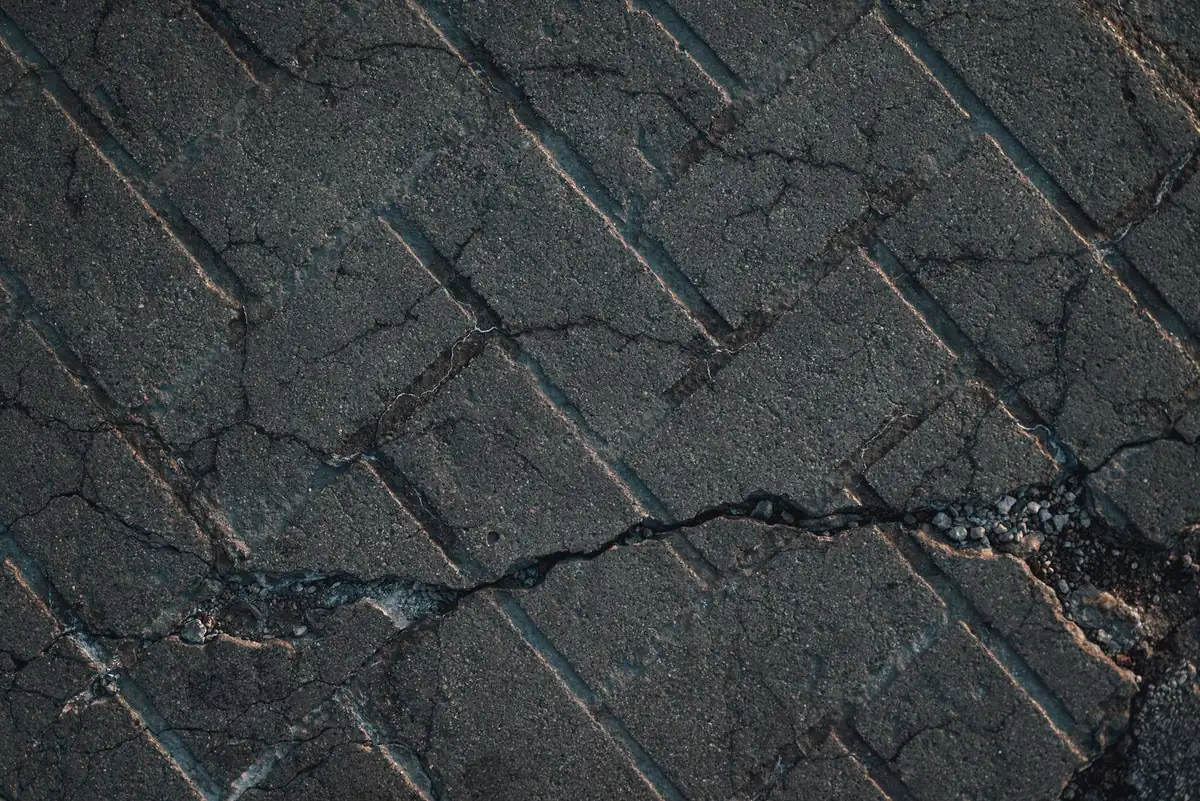
- Block cracking: a pattern of connected rectangles, usually a sign the surface has dried out and oxidized. Fill the cracks and get a seal coat on it.
- Alligator cracking: a tight web that looks like reptile skin. This one is different — it usually means the base below has failed, and it points toward resurfacing or repair rather than simple crack filling.
- Edge cracks: cracks running along the unsupported edges of a driveway or lot, often from water eroding the shoulder.
Filling handles the first two beautifully. Alligator cracking is your cue to call for a real assessment, because a filler over a failed base is a temporary patch at best.
What good crack filling looks like
Proper crack filling isn't just squeezing caulk into a gap. We clean the crack out first so the filler bonds to clean walls, then apply a flexible rubberized sealant that moves with the pavement as it expands and contracts in the heat. Done right, it seals water out and flexes instead of re-cracking.
Crack filling and sealcoating go together
Crack filling and sealcoating are a team. We fill the cracks first, then seal over the whole surface to lock everything in and block the UV. Doing them together is how you get the longest life out of your pavement — and it's the backbone of any real maintenance plan.
One more reason to stay ahead of it: cracks tend to arrive all at once. When a surface reaches the age where the binder has dried out, you often go from a clean driveway to a dozen new cracks in a single season. Handling them in one scheduled pass — clean, fill, and seal — is far cheaper and cleaner than chasing them one at a time as each becomes a pothole. Batch the work while the cracks are still small and the whole job stays in the cheap column.
Seeing cracks appear? Don't wait for them to grow. A quick pass now saves you the far bigger repair bill later.
Need a Free Estimate?
Iron Ridge Pavement gives upfront, no-obligation pricing on paving, sealcoating, striping and repairs across Florida.