Crack sealing is one of the highest-value things you can do to asphalt — and one of the most commonly wasted, because it gets applied to surfaces that are past helping.
Why cracks matter at all
A crack is a route for water into the base. In Florida's rainfall, an open crack takes water down under the pavement within a single wet season, and a saturated base is where structural failure begins. Sealing a crack is not cosmetic — it is closing the door.
The cracks worth sealing
- Linear cracks running with or across the drive, up to roughly half an inch. These are thermal and settlement cracking and sealing them is exactly the right response.
- Edge cracks along an unsupported border. Seal them and back-fill the edge with soil or sod so the asphalt has lateral support.
- Joint cracks where new work met old. Normal, and worth keeping closed.
- Isolated cracks in an otherwise sound surface — the clearest case for sealing there is.
The cracking that means something else
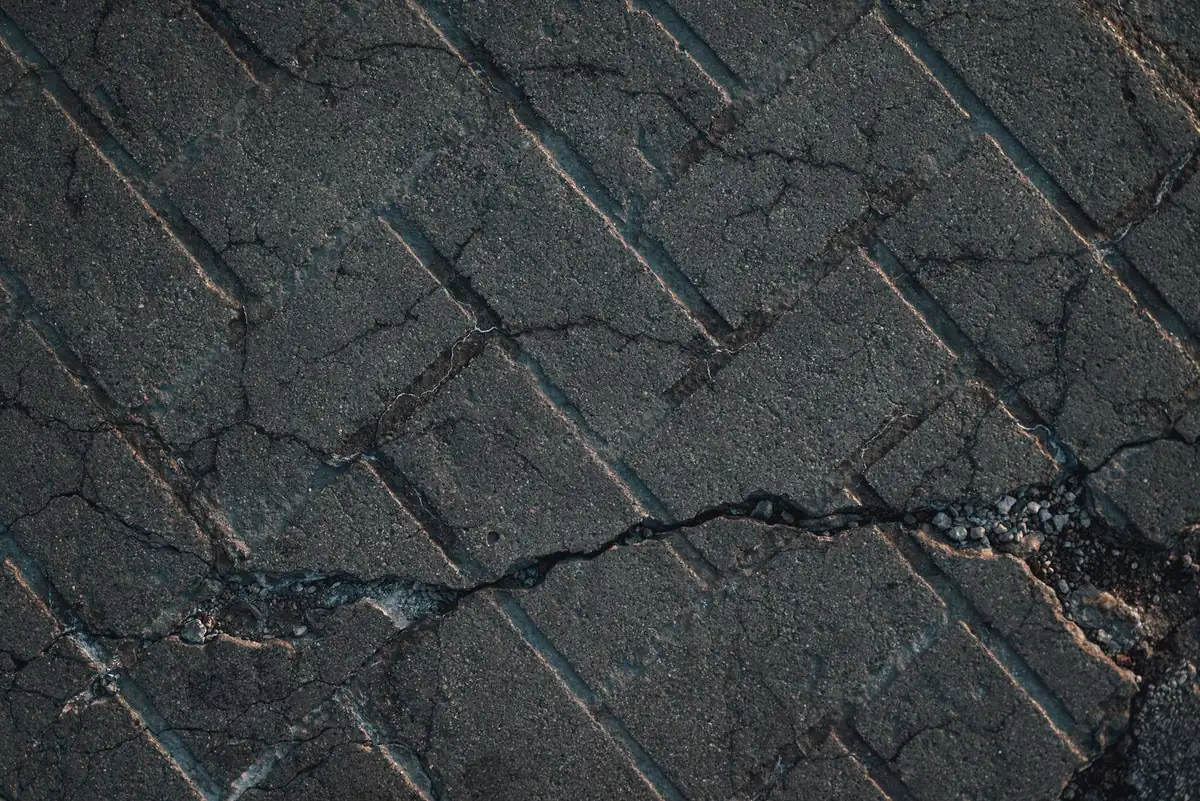
Alligator cracking — an interconnected web of cracks resembling reptile skin — is not a surface problem. It means the base beneath has failed and the pavement is flexing under load. Sealing it accomplishes nothing; that area needs removal and rebuilding from the base up.
If it looks like a spider web, the problem is underneath and no amount of sealer reaches it.
Cracks wider than about half an inch, or with crumbling edges, also need patching rather than sealing — filler in a wide crack does not bond properly and simply falls out.
Timing it
Seal before the wet season rather than during it. A crack sealed in spring keeps the summer's rain out; a crack sealed in September has already let a season of water into the base. And clean the crack properly first — sealer over dirt and vegetation does not bond and lasts one season.
Need a Free Estimate?
Iron Ridge Pavement gives upfront, no-obligation pricing on paving, sealcoating, striping and repairs across Florida.
Not sure which kind of cracking you have? Send us a photo and we will tell you straight.