Asphalt and the Florida sun have a complicated relationship. Heat is what makes asphalt workable enough to pave in the first place, but relentless heat, ultraviolet radiation, and humidity are also what age it faster here than almost anywhere else in the country. A driveway that might last 25 years in a mild climate can show serious wear in half that time in Central Florida if it is never maintained. Understanding why is the first step to protecting your investment.
UV radiation attacks the binder
Asphalt is essentially stone aggregate held together by a black petroleum binder called bitumen. That binder is what gives fresh pavement its rich black color and its flexibility. Ultraviolet light chemically breaks down the binder in a process called oxidation. As the binder oxidizes, it loses the oils that keep it pliable, and the surface fades from black to gray, then to a chalky, brittle texture.
In Florida, where the UV index regularly hits 10 or higher for much of the year, this happens quickly. Once the binder goes brittle, the aggregate starts to shed — that loose grit you sweep off the surface is called raveling, and it is the beginning of the end for unprotected asphalt.
The gray, faded look is not just cosmetic. It is the binder telling you it has dried out and is losing the fight against the sun.
Heat softening and rutting
On a summer afternoon in Orlando, surface temperatures on black asphalt can climb well past 140 degrees Fahrenheit even when the air is 92. That heat softens the binder. On a properly built pavement with a strong base this is not a problem, but on a lot with heavy, slow, or standing loads — think delivery trucks, dumpsters, or trailer jacks — soft asphalt can deform. This is why you see ruts and depressions form in the wheel paths and parking stalls of commercial lots that were built with an undersized base.
- Sun-softened asphalt is vulnerable to rutting under concentrated, stationary loads
- Dumpster pads and drive lanes take the worst of it — reinforce or build them thicker
- A strong, well-compacted base is the real defense against heat deformation
Where humidity comes in
Florida's humidity does not attack asphalt directly the way UV does, but it works with moisture to cause a problem called stripping. When water gets between the binder and the aggregate — from humidity, rain, or a high water table — it can break the bond that holds them together. The aggregate literally strips free of the binder from underneath, hollowing the pavement out from the inside until potholes appear. High humidity keeps everything damp longer, giving moisture more time to do its work, which is one more reason Florida asphalt needs good drainage and periodic sealing.
Sealcoating is your sunscreen
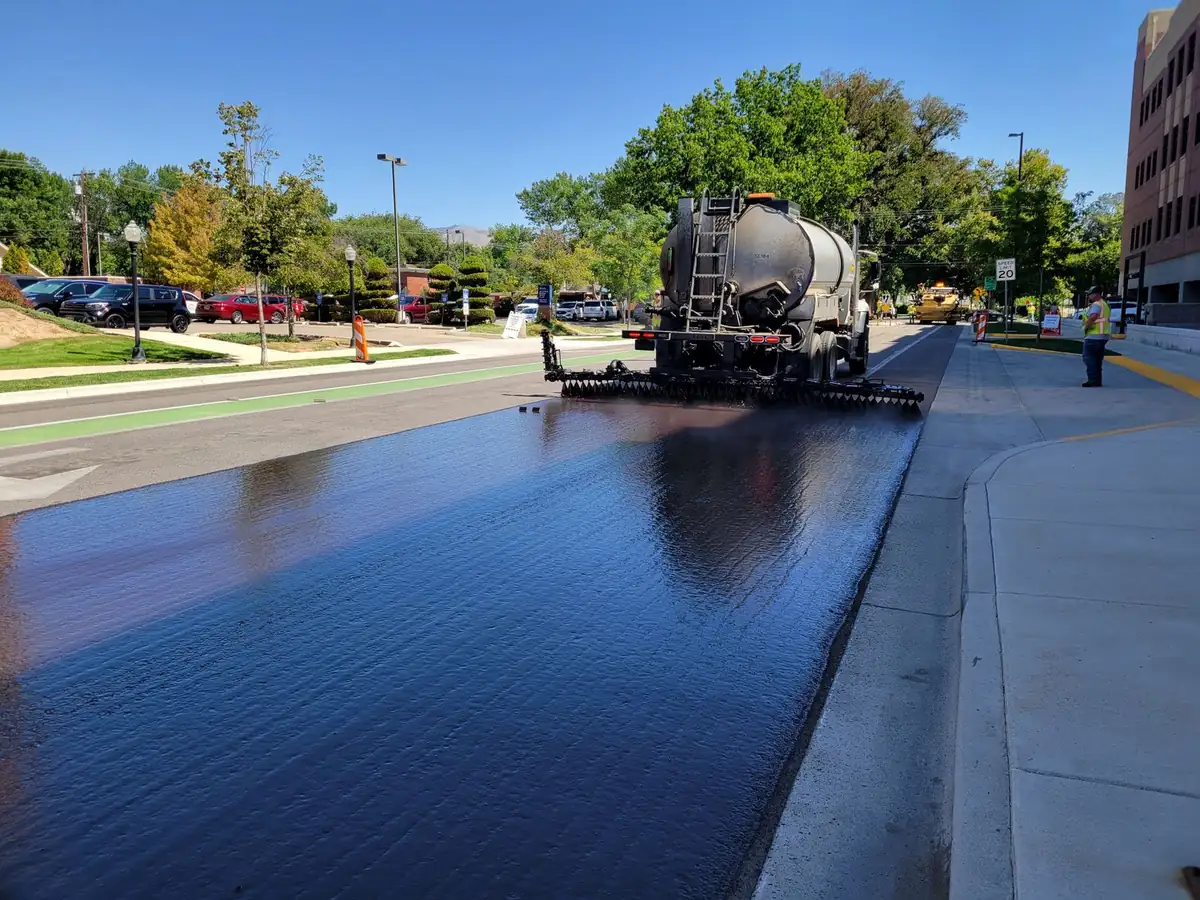
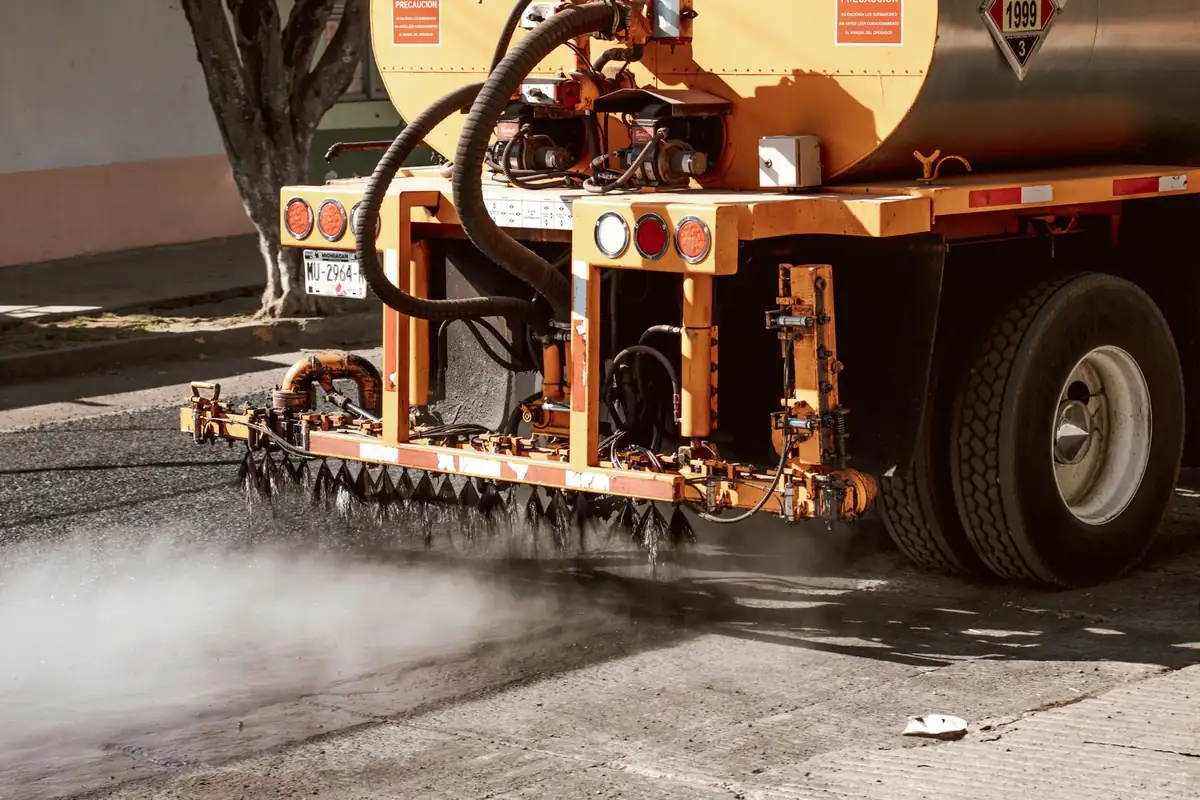
The single most effective defense against Florida's heat and UV is sealcoating. A quality sealcoat is a sacrificial layer that takes the UV hit instead of your binder, restores the black color, and locks moisture out. Most Central Florida driveways and lots benefit from resealing every two to three years — more often for high-traffic commercial surfaces. Pair that with prompt crack filling so water and humidity never reach the base, and you dramatically slow the aging clock.
A simple protection schedule
- Seal new asphalt about 6 to 12 months after installation, once it has fully cured
- Reseal every 2 to 3 years, or when the surface turns noticeably gray
- Fill cracks the same season they appear, before summer rain enlarges them
- Schedule routine pavement maintenance inspections each spring
Build it right, then protect it
No sealer saves a pavement that was built on a weak base, which is why we obsess over base prep on every asphalt paving job across Central Florida. But even a perfectly built driveway needs help fighting the sun. If your surface has gone gray, feels gritty, or shows hairline cracks, it is asking for attention. To understand how these effects intensify in the wet months, see our post on paving in Florida's rainy season.
Florida is one of the harshest asphalt environments in the country. Respect the sun, seal on schedule, and your pavement will outlast the ones that were left to bake.
Need a Free Estimate?
Iron Ridge Pavement gives upfront, no-obligation pricing on paving, sealcoating, striping and repairs across Florida.