An oil stain on a driveway looks like a cosmetic problem. It is not. Asphalt binder is a petroleum product, and petroleum dissolves petroleum — motor oil, gasoline, transmission fluid and diesel all soften and break down the surface they sit on.
What is actually happening
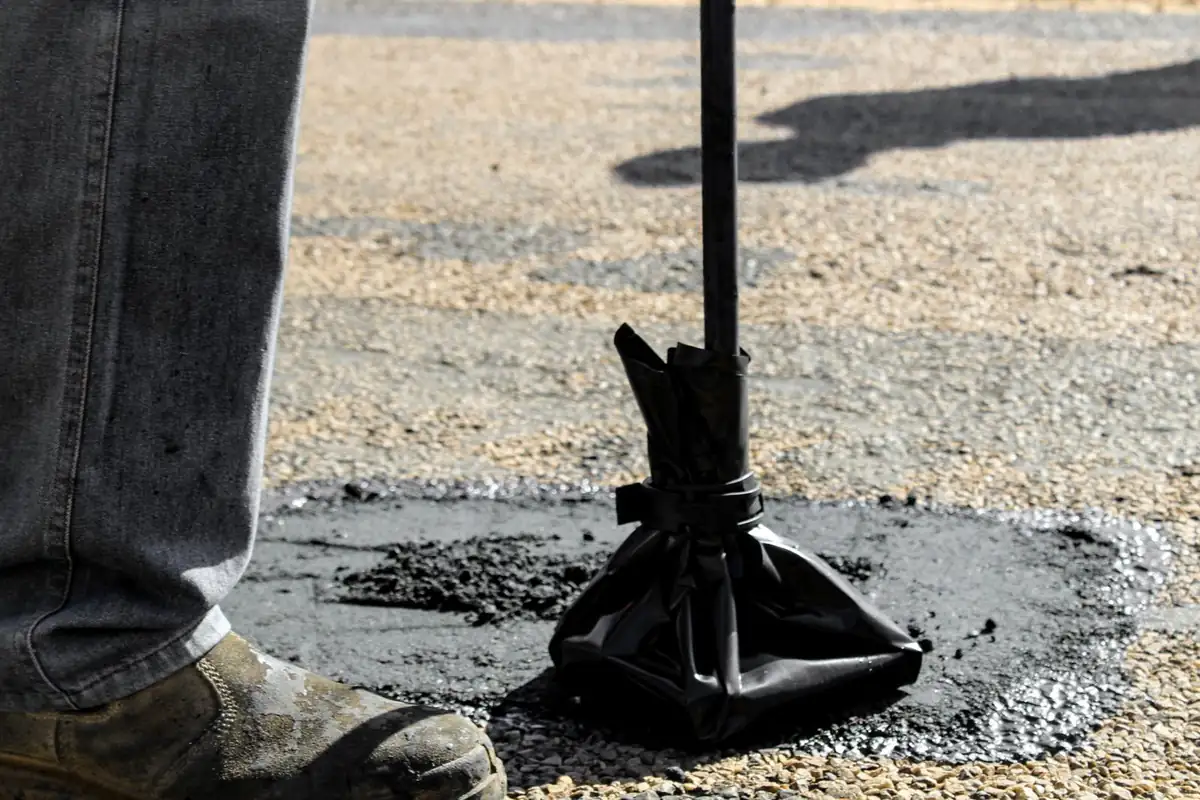
The spill soaks in and starts dissolving the binder holding the aggregate together. Over time the affected area becomes soft, then loses aggregate, then forms a depression. In Florida heat, where the surface is already softer, the process is faster.
A stain is the visible part. The soft spot forming underneath is what costs money.
A fresh spill
An old stain
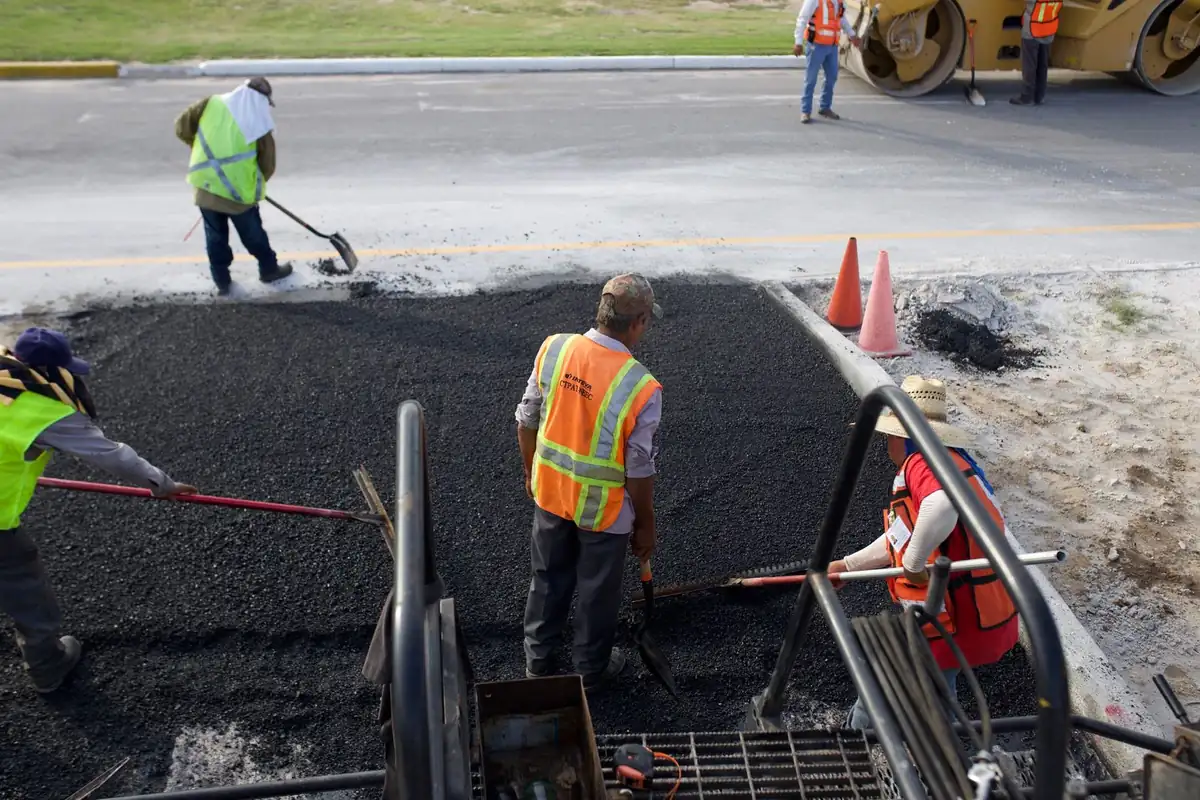
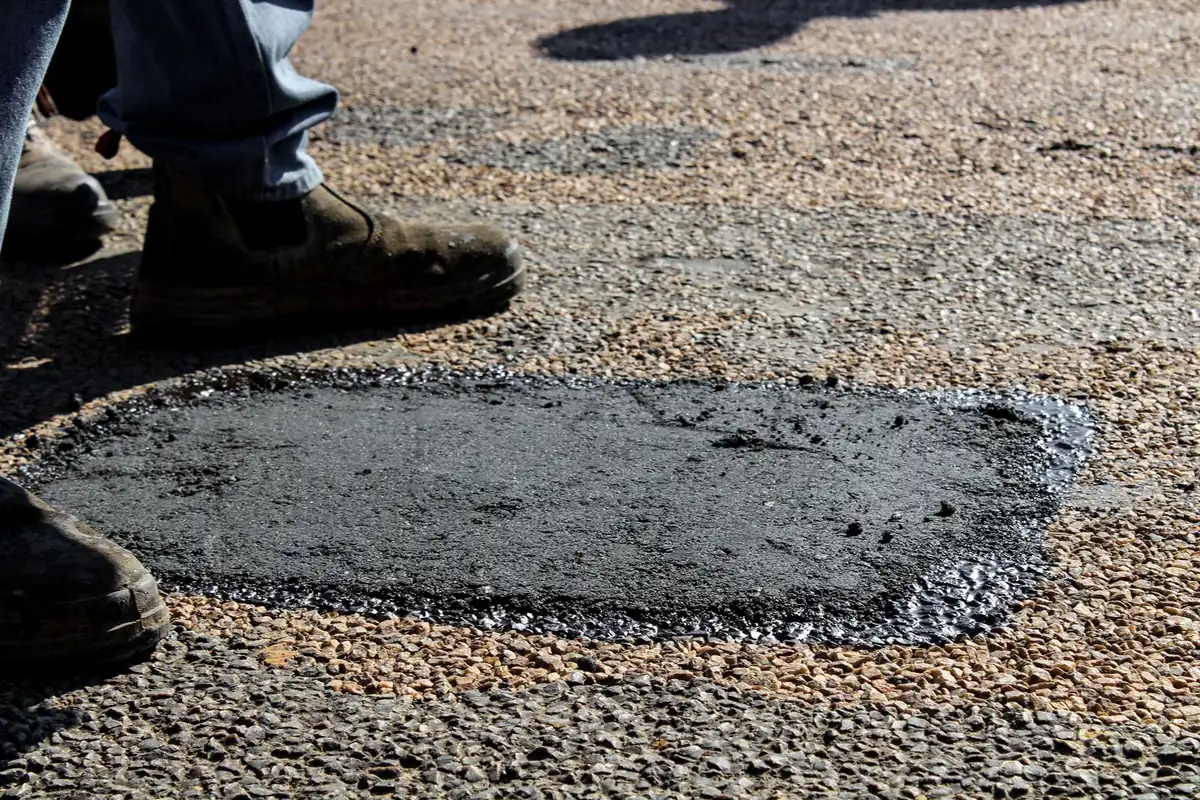
Once oil has been in the surface for a while the discolouration is largely permanent, and the question becomes whether the asphalt beneath is still sound. Press it — if the surface is soft or aggregate comes away, that area needs cutting out and patching rather than cleaning.
Worth knowing before sealcoating: sealer does not bond over oil-saturated asphalt. Contaminated areas need degreasing and often a primer, and a contractor who seals straight over a stain will produce a patch that peels within a season.
Prevention
Fix the drip rather than managing the stain. A drip pan or a sheet of plywood under a leaking vehicle costs nothing. And if a vehicle habitually parks in the same spot, rotate it — concentrated drips in one place produce a soft spot far faster than the same volume spread around.
Need a Free Estimate?
Iron Ridge Pavement gives upfront, no-obligation pricing on paving, sealcoating, striping and repairs across Florida.
Soft spot forming where the car parks? We can cut it out and patch it properly.