Potholes form for a reason, and the reason determines whether a patch resolves it or simply postpones it by a season.
How one actually forms
Water gets through a crack into the base. The base softens and loses bearing capacity. Traffic then flexes the unsupported surface until it breaks up, and the loose material is thrown out by passing tires. What you see as a hole is the last stage of a process that started with a crack and a rainstorm.
That is why potholes appear after the wet season and why they recur in the same places. The water path has not changed.
The kinds of repair
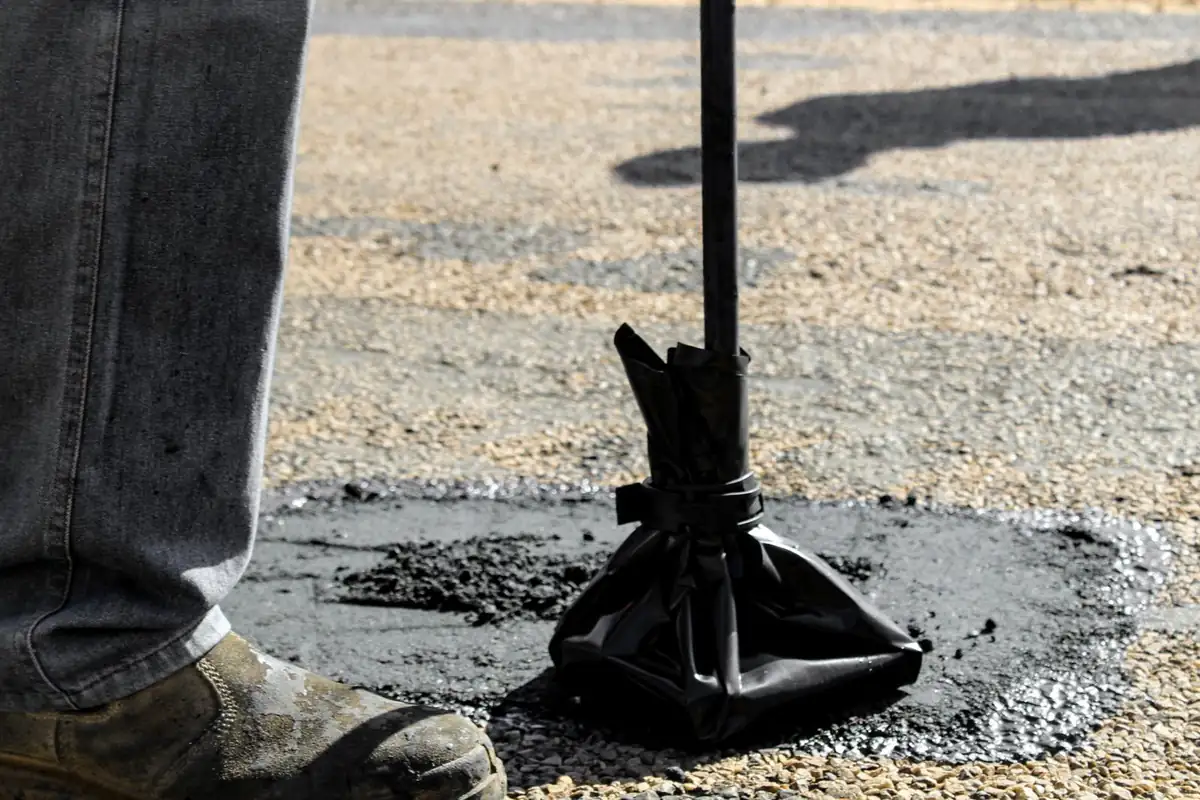
- Cold patch. Emergency material poured in and tamped. Buys weeks to months. Genuinely useful as a temporary measure and not a repair.
- Throw-and-roll with hot mix. Better, still temporary if the base is the problem.
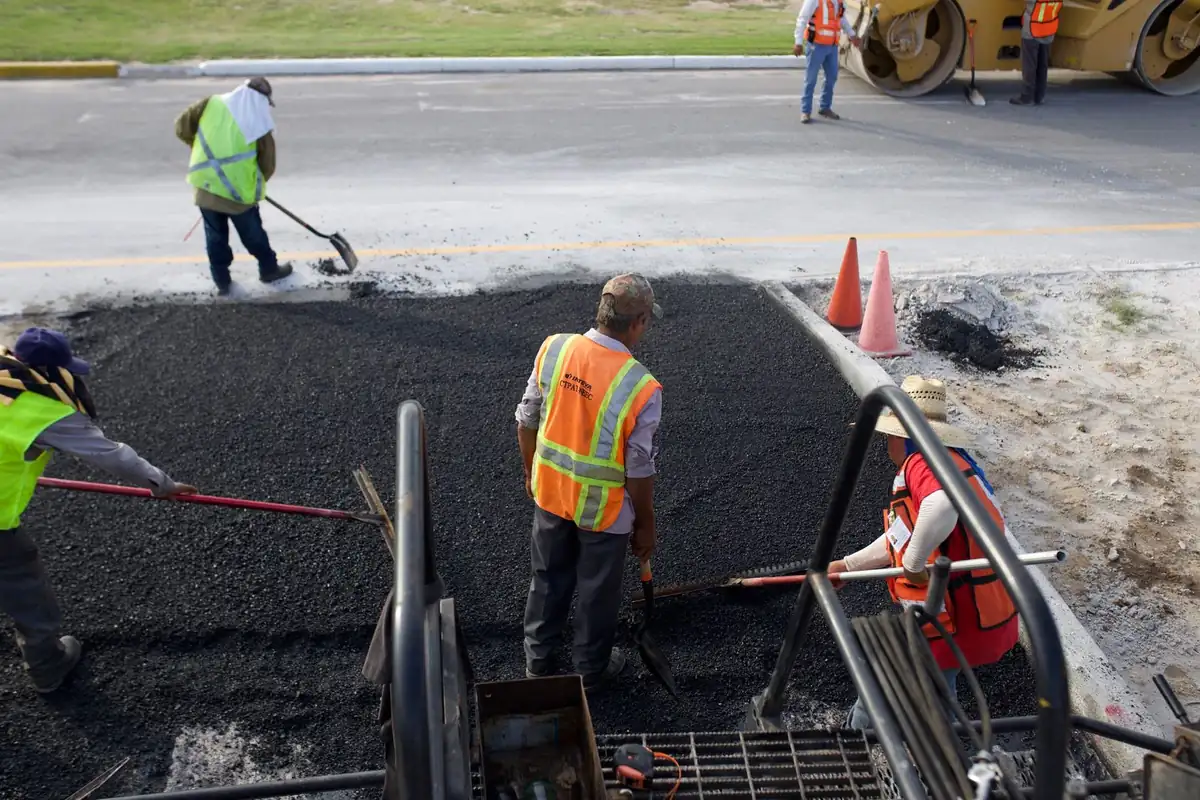
- Full-depth patch. Saw-cut square edges, excavate to sound base, repair or replace the base material, compact, and place hot asphalt in lifts. This is the actual repair.
- Resurfacing. Where potholes have appeared in numbers across an area, individual patching stops making sense and the surface has reached the end of its life.
If the same pothole keeps coming back, nobody has fixed the reason it exists.
The judgement
One or two isolated potholes in an otherwise sound surface — full-depth patch and move on. Potholes appearing in numbers, alligator cracking around them, or ponding nearby — the pavement is telling you the base is failing across a wider area, and patching each new hole is a treadmill.
Either way, do not leave them open through a wet season. An open pothole is a funnel taking water directly into the base, and it spreads.
Need a Free Estimate?
Iron Ridge Pavement gives upfront, no-obligation pricing on paving, sealcoating, striping and repairs across Florida.
Send us a photo and we will tell you whether it is a patch or a bigger conversation.