There is a standard answer to this question — every two to three years — and it is not wrong so much as it is incomplete. The right interval depends on your specific surface, and applying sealer on a calendar rather than on condition wastes money in one direction and costs money in the other.
What sealcoat is actually for
It is a sacrificial protective layer. It shields the asphalt binder from UV, which is what makes asphalt go grey and brittle, and it keeps water and petroleum out of the surface. It is not structural. It does not add strength and it does not fix cracks.
That matters because it tells you when sealcoating is worth doing: on a surface that is structurally sound and worth protecting. On a surface that has already failed, it is cosmetic and temporary.
How to read your own driveway
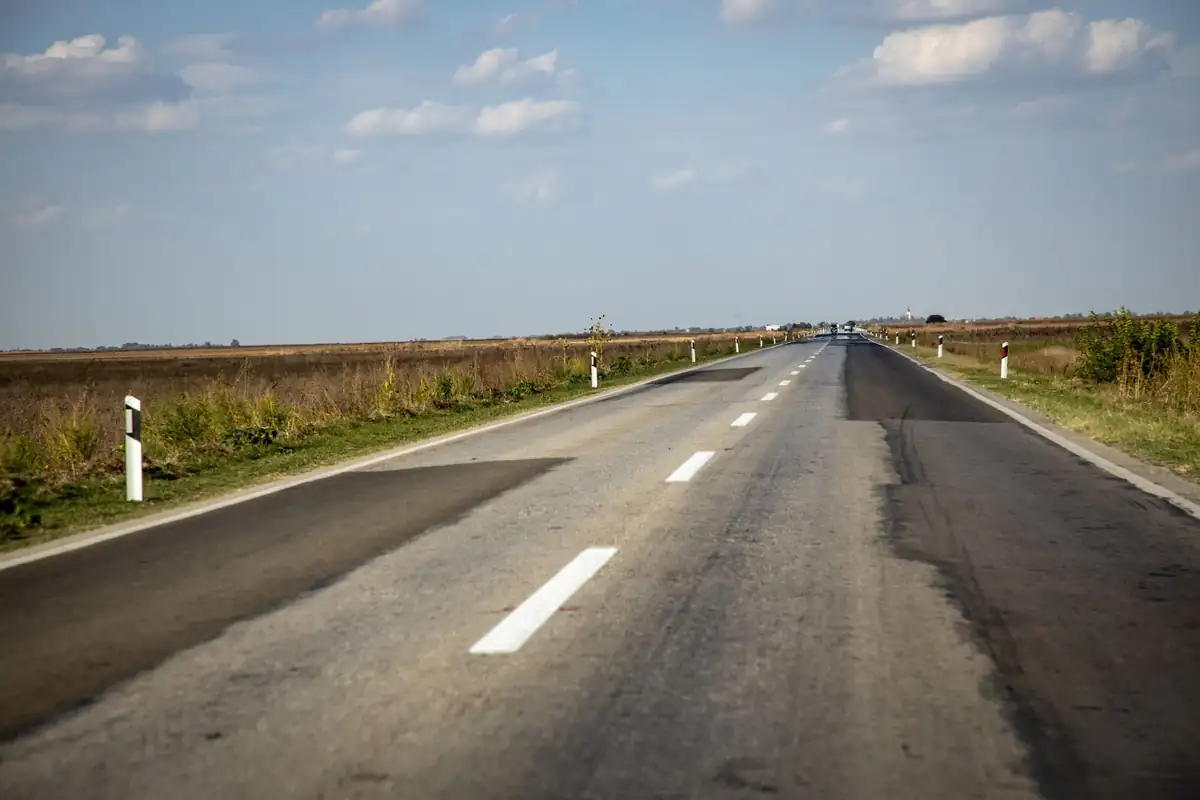
- Colour. Healthy sealed asphalt is dark. Grey means the binder is oxidised and UV is now working directly on the surface.
- Texture. Run a hand over it. Loose aggregate coming away — ravelling — means the binder has lost its grip and you are past due.
- Water behaviour. On a sealed surface water beads and sheets. On an unsealed one it soaks in and darkens the surface.
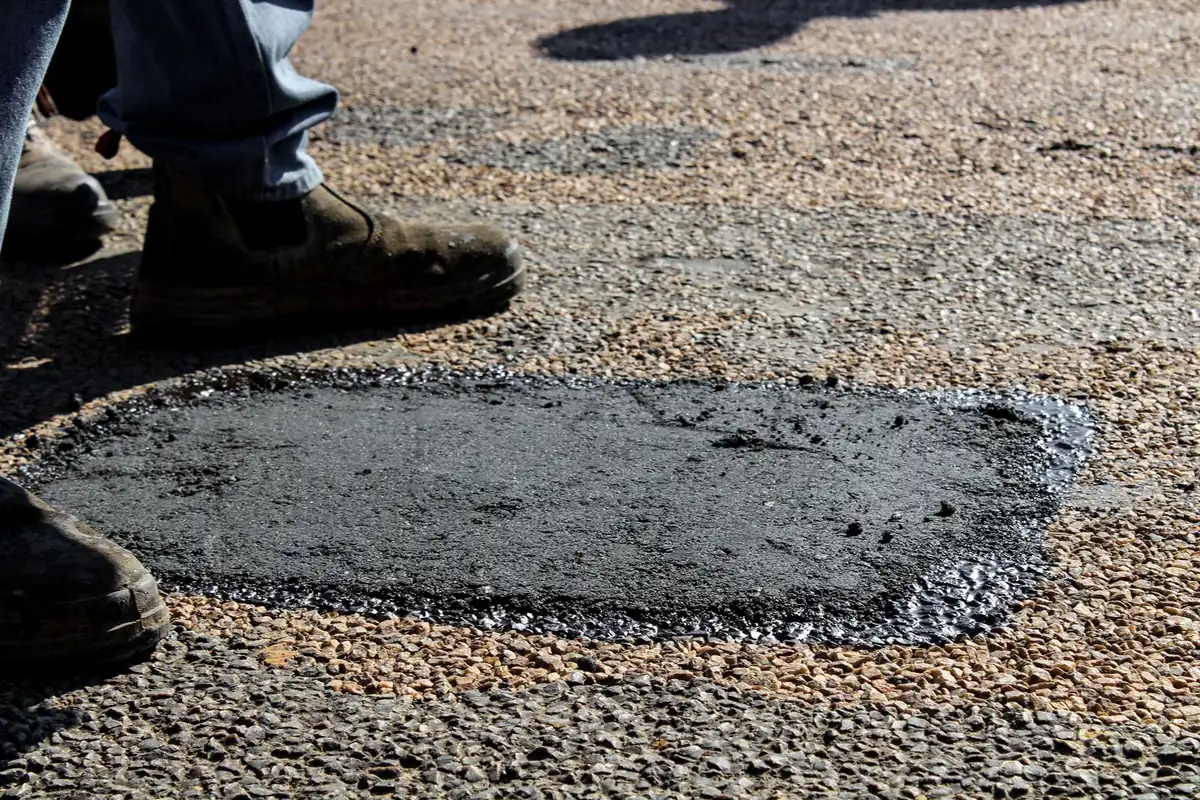
- Hairline cracking. Fine surface cracking is the point to act. Wide or interconnected cracking is past the point where sealer alone helps.
Grey and rough means overdue. Black and beading means leave it alone another year.
What shortens the interval here
Full sun exposure with no shade at all, coastal sand and salt, heavy vehicle traffic, oil dripping, and standing water all shorten it. Heavy shade shortens it too, for the opposite reason — sustained damp and organic growth.
The one timing rule that is not negotiable
New asphalt should not be sealed for 6 to 12 months. It needs to cure and release its solvents, and sealing it early traps them, which produces a soft surface that scuffs and tracks. Any contractor offering to seal a brand-new driveway is either uninformed or hoping you are.
Need a Free Estimate?
Iron Ridge Pavement gives upfront, no-obligation pricing on paving, sealcoating, striping and repairs across Florida.
Not sure where yours is in the cycle? Ask us to look at it — we will tell you if it can wait another year.