One of the most common questions we get after finishing a driveway in Orlando or Kissimmee is "when can we sealcoat it?" The instinct is understandable. The surface is brand new and the owner wants to protect it. But sealing fresh asphalt too soon is one of the few ways to actually shorten its life, and the right answer is longer than most people expect.
Why new asphalt has to cure first
Hot-mix asphalt arrives on site with light oils in the binder that keep it workable while it is being laid and compacted. Once it is down, those oils need to flash off through the surface. That process is what takes a new driveway from slightly soft and tacky to firm and stable. In Central Florida heat it happens faster than in a northern climate, but it still takes months, not days.
A sealcoat is designed to be a barrier. If you apply that barrier before the oils have escaped, you lock them in. The result is a surface that stays soft underneath, scuffs under tires, and often develops a blotchy finish as the trapped oils work their way up through the sealer. We have been called to fix driveways where a homeowner sealed in the first month and the coating simply never bonded.
The practical waiting window
As a general rule, new asphalt should cure through at least one full summer before its first sealcoat. For most of our residential work that means somewhere between six and twelve months. A driveway paved in the fall in Sanford or Lake Mary is usually ready by the following late summer or fall. A lot paved in spring may be ready by the end of the same year, but it is worth checking rather than assuming.
The heat is on your side here. Central Florida's long hot season pushes the oils out faster than a cool climate would, which is why we can often seal within a year rather than the longer waits sometimes quoted elsewhere. That does not mean the wait can be skipped. It means the low end of the range is realistic.
How to tell the surface is ready
- Pour a little water on the surface. If it beads up and sits, the oils are still present. If it soaks in and darkens the asphalt evenly, the surface is open and ready to accept sealer.
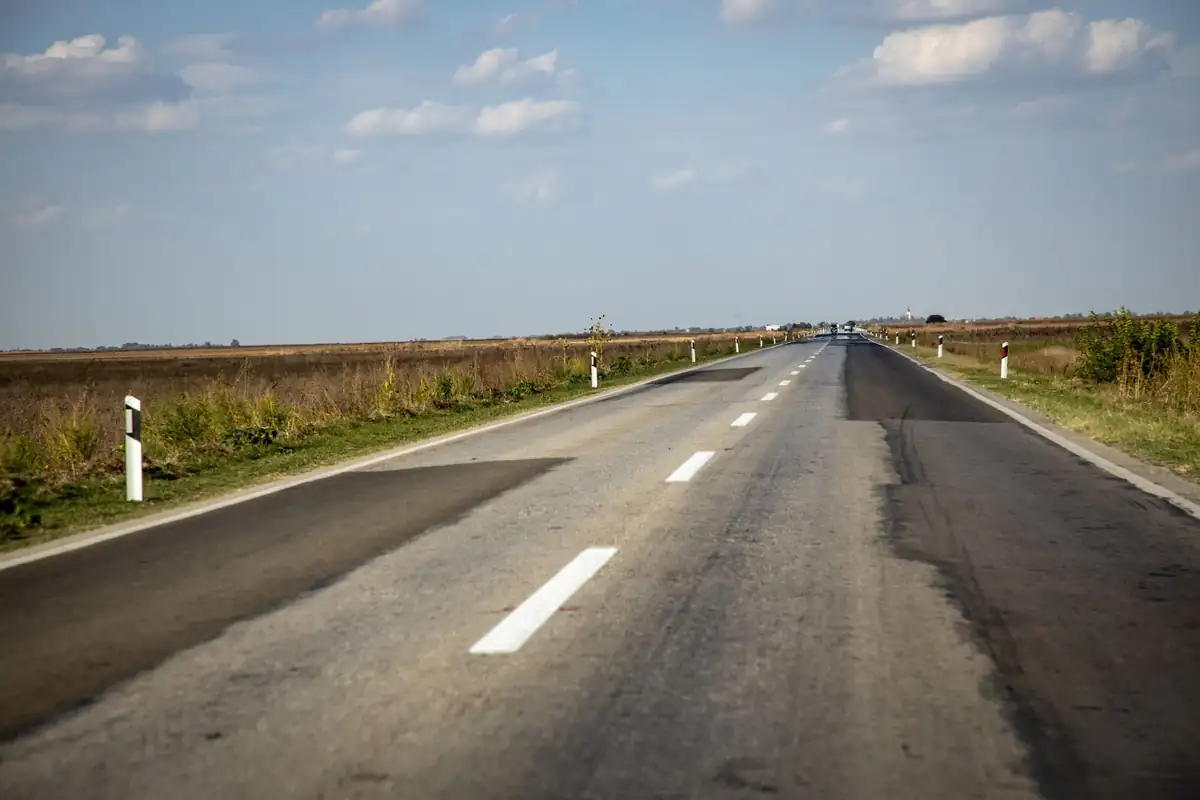
- Look at the colour. Fresh asphalt is deep black. Cured asphalt has faded toward dark grey. That fade is the signal, not a problem.
- Press a fingernail into the surface on a hot afternoon. Cured asphalt will not take an impression.
- Check for tire scuffing in turning areas. If power steering still leaves marks, wait longer.
A driveway that has faded to grey is not failing. It is telling you it is finally ready for its first coat.
What to do while you wait
The first year is mostly about avoiding damage rather than adding protection. Keep vehicles from sitting in one spot in the afternoon heat, avoid turning the wheels while stationary, and keep sharp point loads like jack stands and trailer tongues off the surface. Our first-year driveway guide covers the full list.
Once the surface is ready, a properly applied sealcoat sets up the maintenance cycle that carries the driveway for the next decade. From there the interval is typically every few years depending on sun exposure and traffic, which we cover in our post on how often to sealcoat in Florida.
Need a Free Estimate?
Iron Ridge Pavement gives upfront, no-obligation pricing on paving, sealcoating, striping and repairs across Florida.
Iron Ridge Pavement LLC handles both the paving and the first sealcoat for driveways across Orlando, Winter Park, Apopka and the surrounding area. If you are not sure whether your surface has cured, reach out and we will take a look.