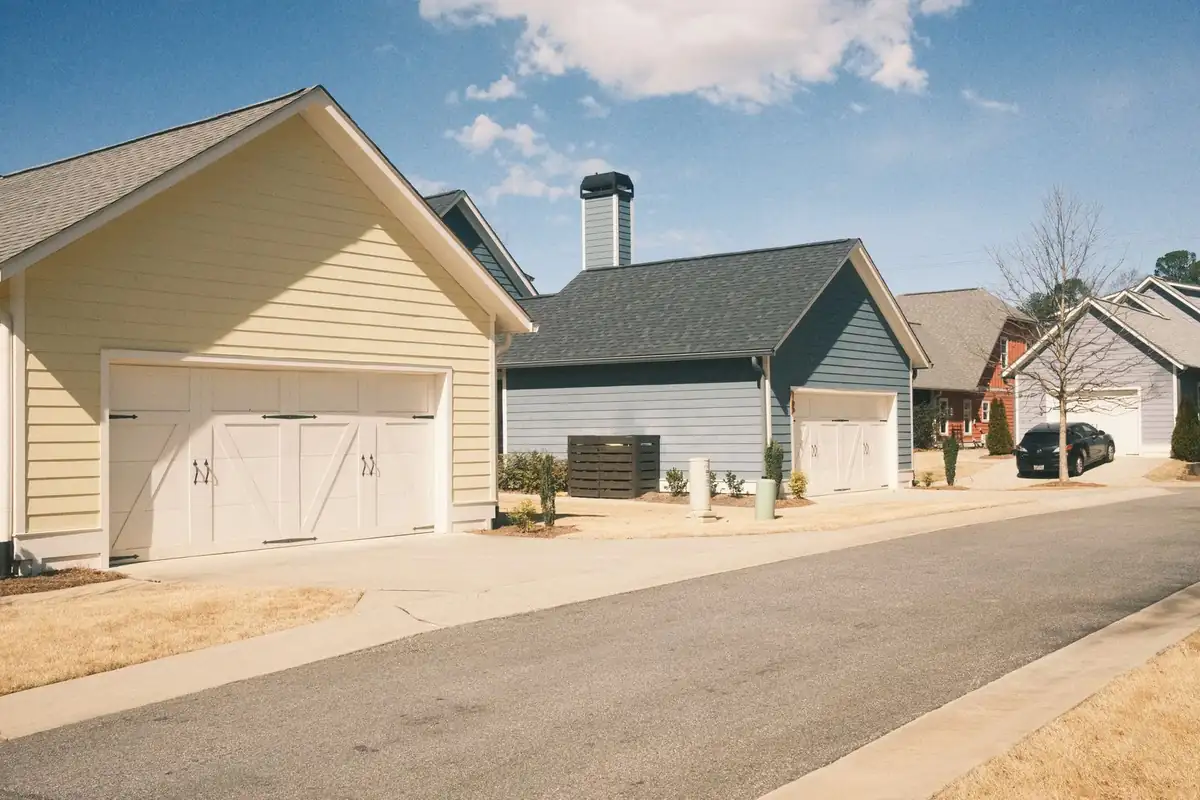
The west side of Orange County has grown faster than almost anywhere in Central Florida. Whole communities in Apopka, Ocoee, Winter Garden and Windermere went in over a few years, and their driveways went in with them, built by the same builders to the same specification on the same schedule. That uniformity is convenient at first. It becomes a maintenance pattern later, and knowing the pattern helps.
What builder-grade usually means
Production builders work to a budget and a schedule. The driveway is one line item among hundreds, and it is typically built to the minimum that passes inspection and looks right at closing. That often means a modest base depth, a single lift of asphalt, and edges that are neat but not confined. None of that is wrong for a new driveway on a fresh lot. It does mean the surface has less margin than a driveway built to a heavier specification, and it will need attention sooner.
The other thing to know is that new subdivisions are built on ground that has just been cleared, graded and filled. Fill settles. A driveway built over freshly placed fill can develop low spots and edge settlement in its first few years as the ground finds its level. Our post on new construction driveway timing explains why.
The maintenance timeline
- First year: let the asphalt cure. Keep point loads off it, avoid turning wheels while stationary, and note any low spots that hold water after rain.
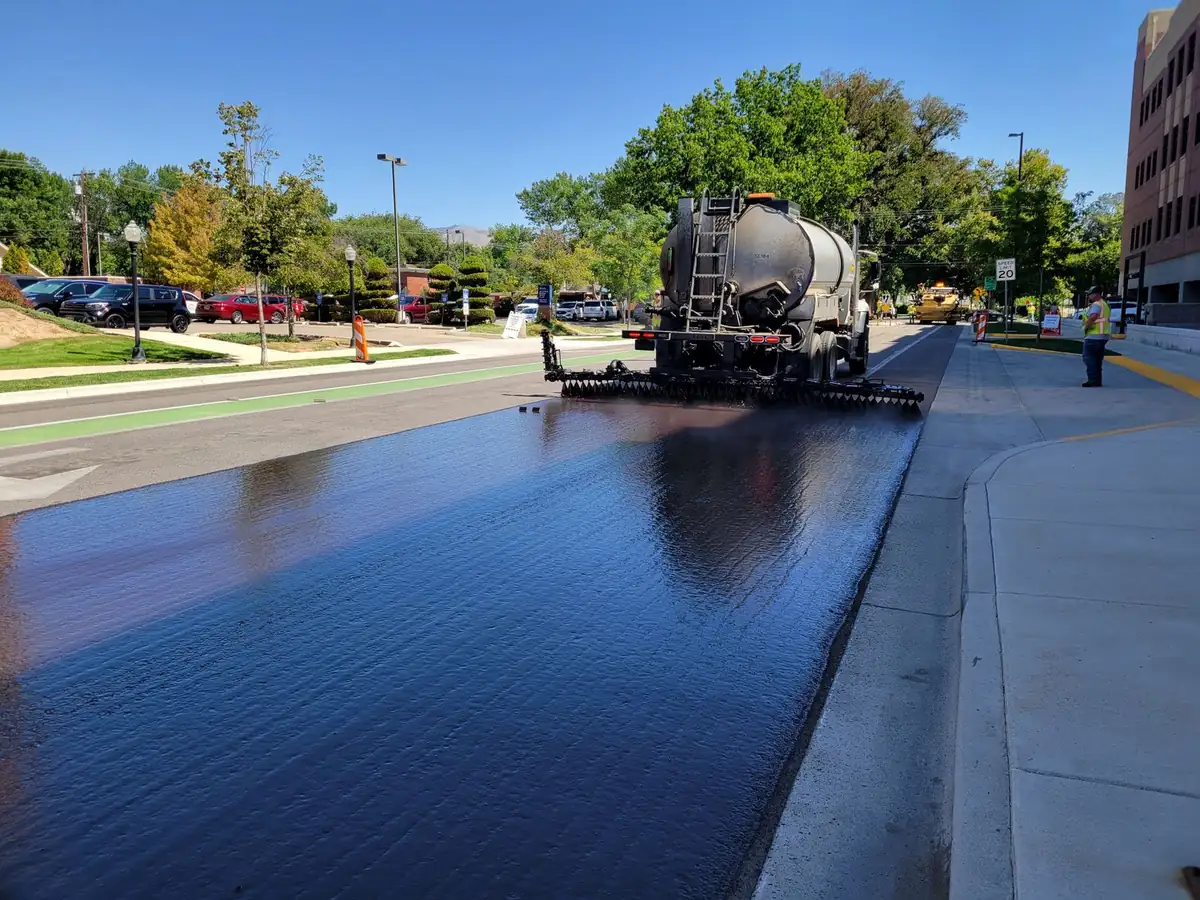
- After the first full summer: a first sealcoat, once the surface has faded and water soaks in rather than beading. Our guide on when to sealcoat new asphalt covers the signs.
- Every few years after that: re-seal on a schedule set by sun exposure and traffic, and fill any cracks as they appear.
- Watch the edges. Builder-grade edges with unconfined shoulders are the first thing to go, especially where irrigation heads keep them wet.
In a new subdivision every driveway on the street is the same age. When one needs work, they all do.
The neighbourhood effect
Because the driveways were built together, they age together. That is useful information. If neighbours a few doors down are seeing edge ravelling or fine cracking, yours is probably close behind. It also means there is often an opportunity to coordinate. Several driveways on one street sealcoated in one visit is more efficient than the same work spread over weeks, and HOA boards in these communities sometimes organise exactly that.
Irrigation, sod and sandy shoulders
New lawns in West Orange come with new irrigation systems, and heads placed at the driveway edge are a common problem. They keep the edge and the shoulder constantly wet, which softens the ground beside the pavement and accelerates edge failure. Adjusting the spray pattern away from the driveway is a five-minute fix that adds years to the edge. Our post on irrigation and asphalt goes into it.
When it is time for more than sealcoat
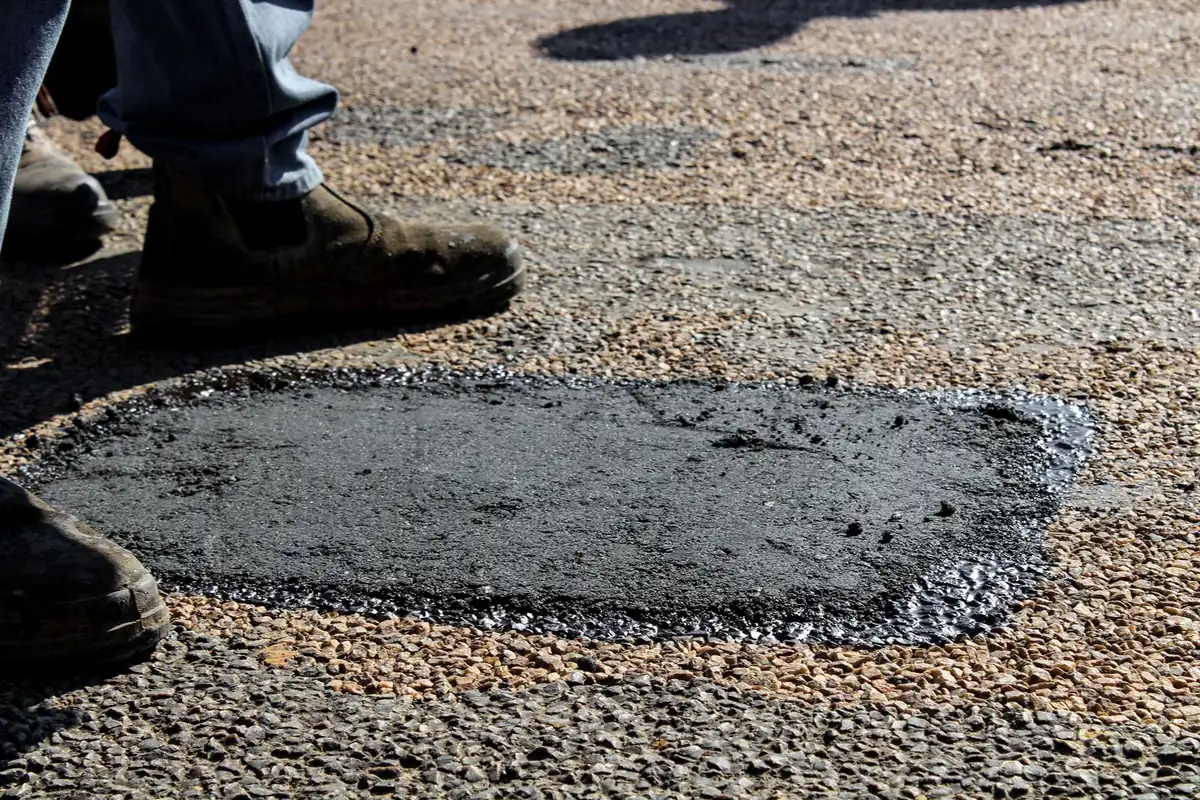
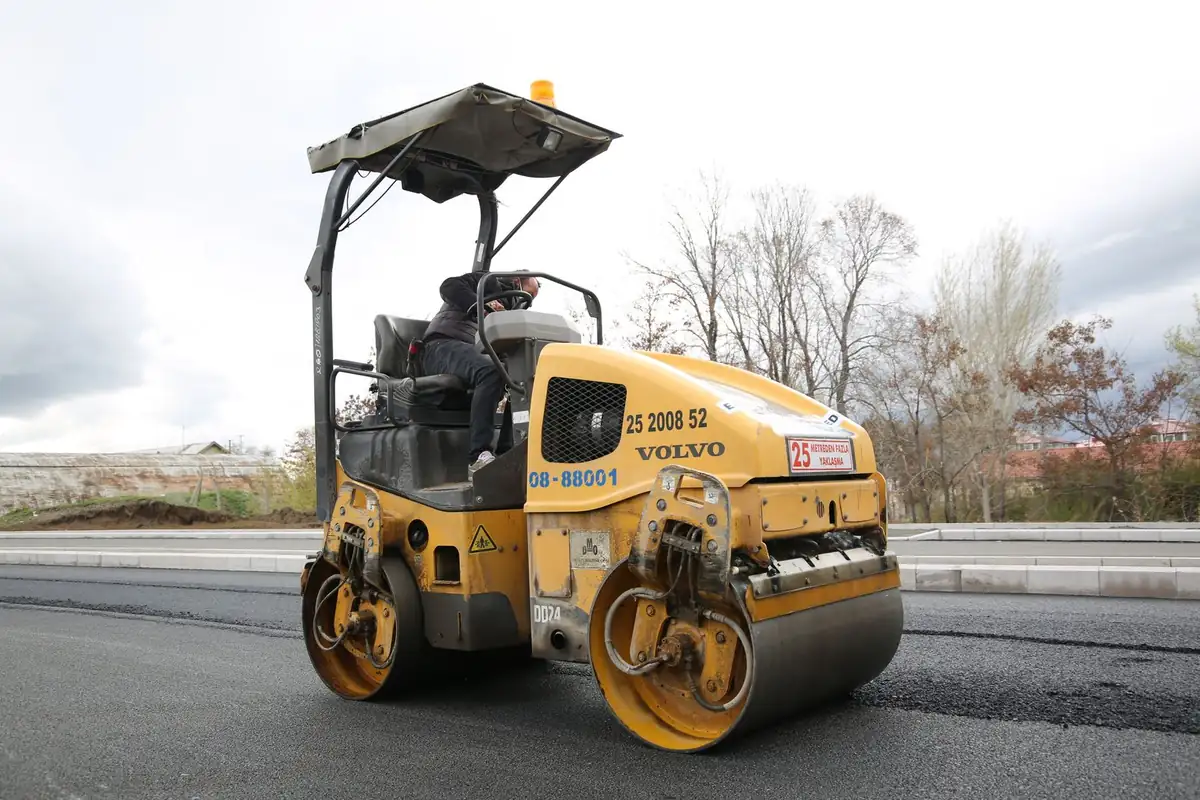
A builder-grade driveway that has been maintained will eventually need an overlay, and one that has not may need base work in the low spots first. The signs are the same as anywhere: cracking that returns after filling, settlement that holds water, edges that keep breaking. Our driveway page and our post on repair versus replacement cover the decision.
Before any of that, one check is worth doing early: walk the driveway after a heavy rain in the first year and note where water stands. Those spots tell you where the fill is settling, and dealing with them while they are small is far cheaper than after the base underneath has spent a few summers wet.
Need a Free Estimate?
Iron Ridge Pavement gives upfront, no-obligation pricing on paving, sealcoating, striping and repairs across Florida.
Iron Ridge Pavement LLC maintains and rebuilds driveways across Apopka, Ocoee, Winter Garden and Windermere. Request an estimate.