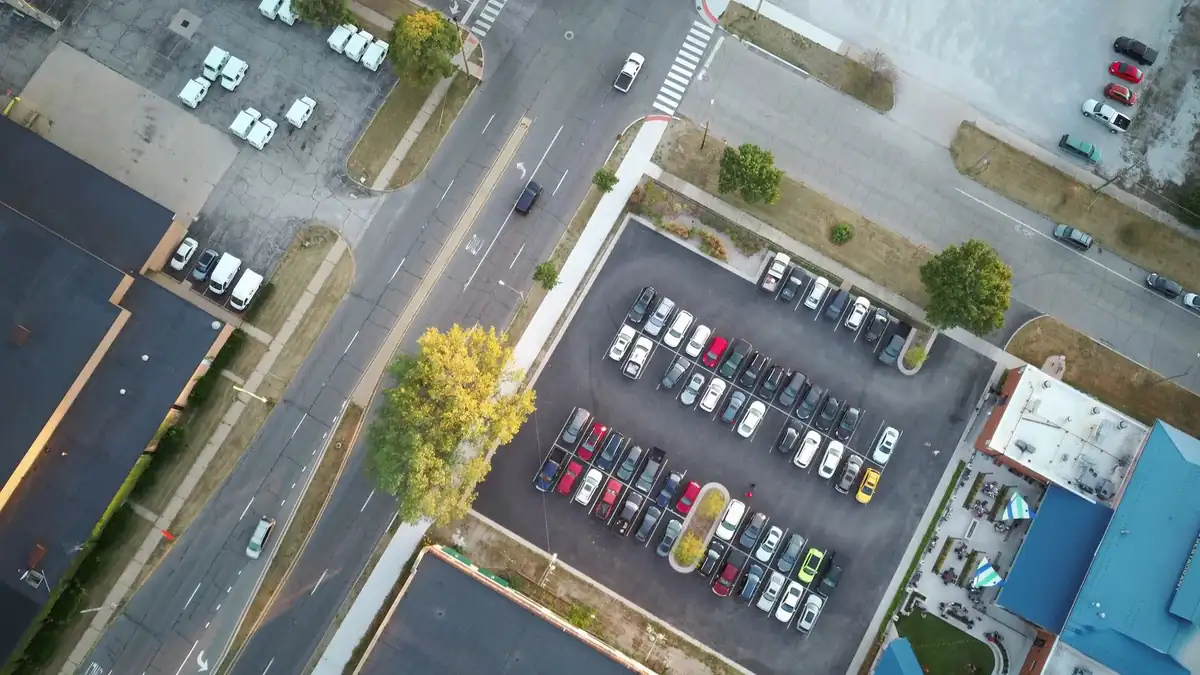
A parking lot is one of the largest paved assets most businesses own, and replacing one is a five- or six-figure event. The good news is that a well-maintained lot in Florida can last 25 to 30 years, while a neglected one may need major work in 12 to 15. The gap between those two numbers is pure maintenance, and it's entirely in your control.
Here's how we help Central Florida property managers squeeze every year out of their commercial parking lots.
1. Sealcoat on schedule
Sealcoating is the single biggest lever you have. A commercial lot in Florida should be sealed every 2 years, sometimes annually in high-traffic drive lanes and entrances where tire wear and turning forces are heaviest. Each coat re-blocks the UV and water that would otherwise oxidize and undermine the surface.
2. Attack cracks immediately
On a big lot, cracks multiply fast because there's so much surface for the sun to work on. Left open, every crack funnels Florida rain into the base and spawns potholes. An annual round of crack filling is non-negotiable for getting your money's worth out of a lot.
On a parking lot, water is the enemy and cracks are its way in. Seal the surface, fill the cracks, and you've beaten most of what kills asphalt.
3. Fix drainage and standing water
Puddles that linger for hours after a Florida storm are a red flag. Standing water works its way through the surface, softens the base, and creates the low spots and potholes that follow. If your lot has birdbaths, they need to be addressed with patching or resurfacing — not ignored. Our guide on rain and standing water damage explains why.
4. Patch potholes while they're small
A pothole never shrinks. Every car that hits one knocks more material loose and lets in more water. Patching early with asphalt repairs costs a fraction of what it costs to fix the spreading failure — and it protects you from a trip-and-fall or vehicle-damage claim in the meantime.
5. Manage how the lot is used
A lot of parking-lot wear is self-inflicted and avoidable. Concentrated weight and heat are the culprits. Dumpsters and their trucks, in particular, punish the same small area over and over — the front axle of a loaded garbage truck can crack a lot's surface in one spot within a year or two. Where you can, put dumpster pads and heavy-truck routes on the thickest pavement, and consider a concrete pad under a dumpster that never moves. On the heat side, remember that idling delivery trucks and hot tires on a 140°F summer surface soften the asphalt right when it's most vulnerable to being gouged and rutted.
6. Keep it clean and marked
- Sweep debris and clean oil spills — both trap moisture and dissolve the binder.
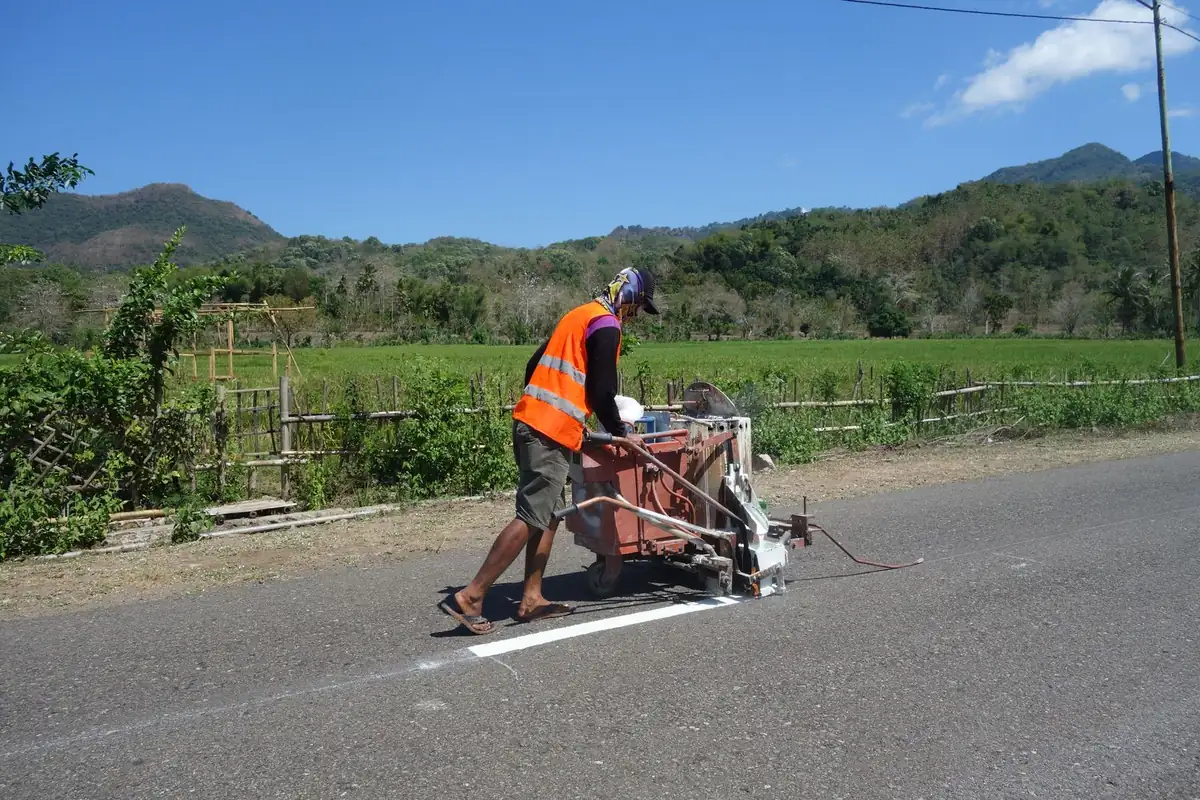
- Keep striping, arrows, and ADA markings crisp for safety and for a maintained first impression.
- Direct heavy trucks to the thickest sections of the lot where you can.
Budget for it before it becomes an emergency
The financial trap with parking lots is treating them as invisible until they fail, then facing a huge unplanned expense. A far better approach is to build pavement care into your operating budget as a small, predictable recurring line — crack filling and inspection annually, sealcoating every couple of years, striping as needed. Spread that way, keeping a lot in top shape costs a fraction of a percent of what a replacement runs, and you never get blindsided by a five-figure repave you didn't see coming. Property managers who run their lots this way almost never have a pavement crisis, because they've been quietly heading them off for years.
Put it on autopilot
The lots that last 30 years aren't lucky — they're managed. A scheduled pavement maintenance plan means we inspect, catch the small stuff, and keep your seal and stripes fresh without you having to think about it. For a business, that's the difference between a planned line item and an emergency capital expense.
Need a Free Estimate?
Iron Ridge Pavement gives upfront, no-obligation pricing on paving, sealcoating, striping and repairs across Florida.