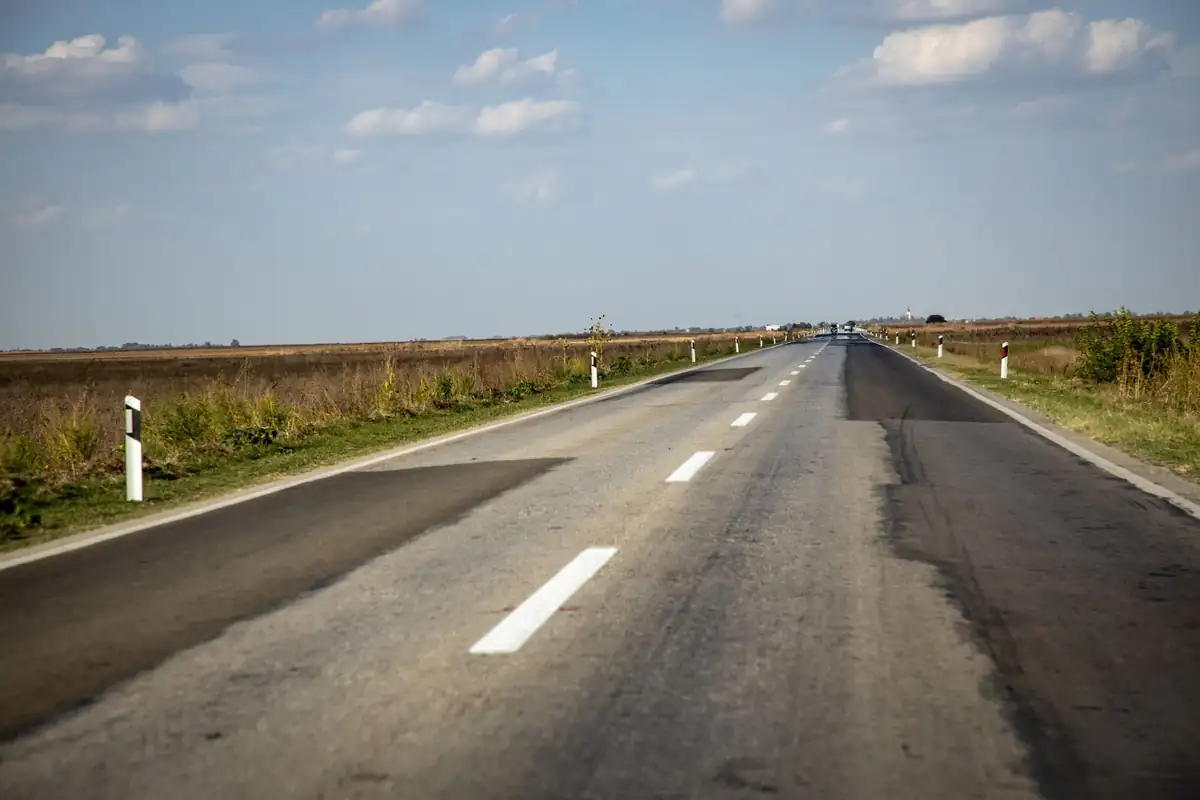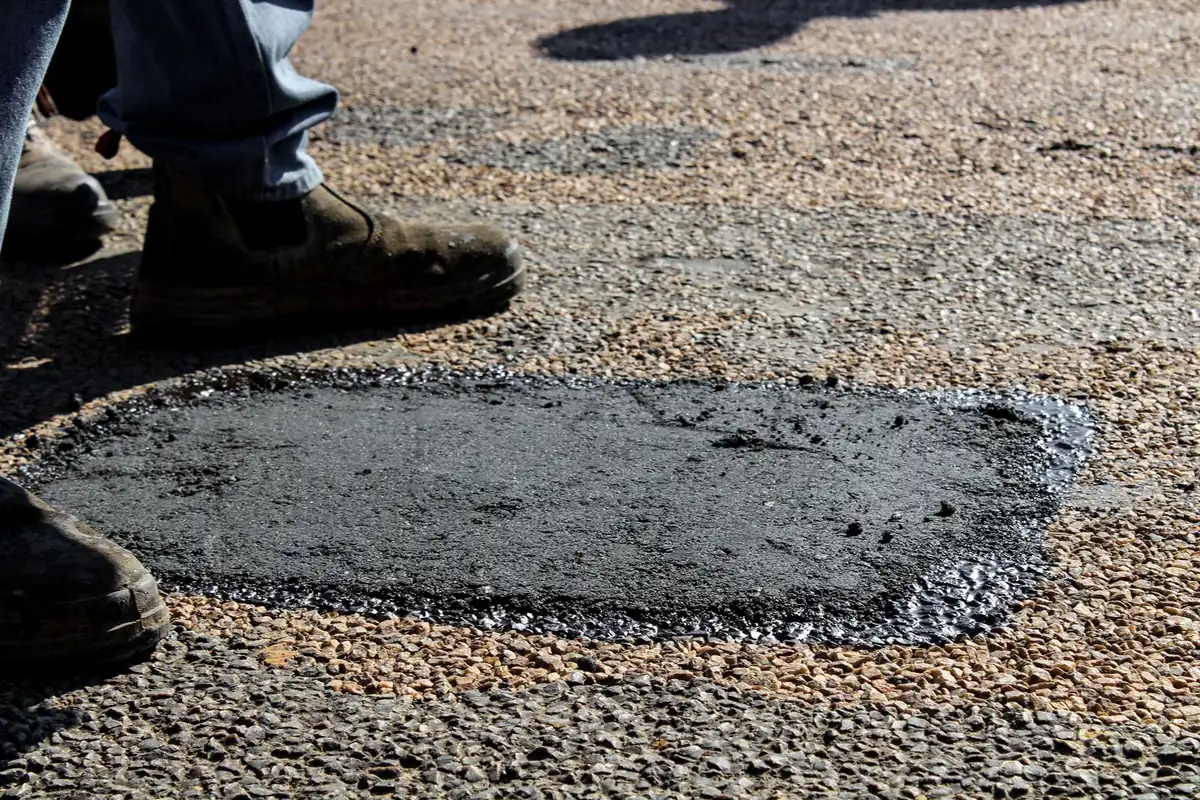
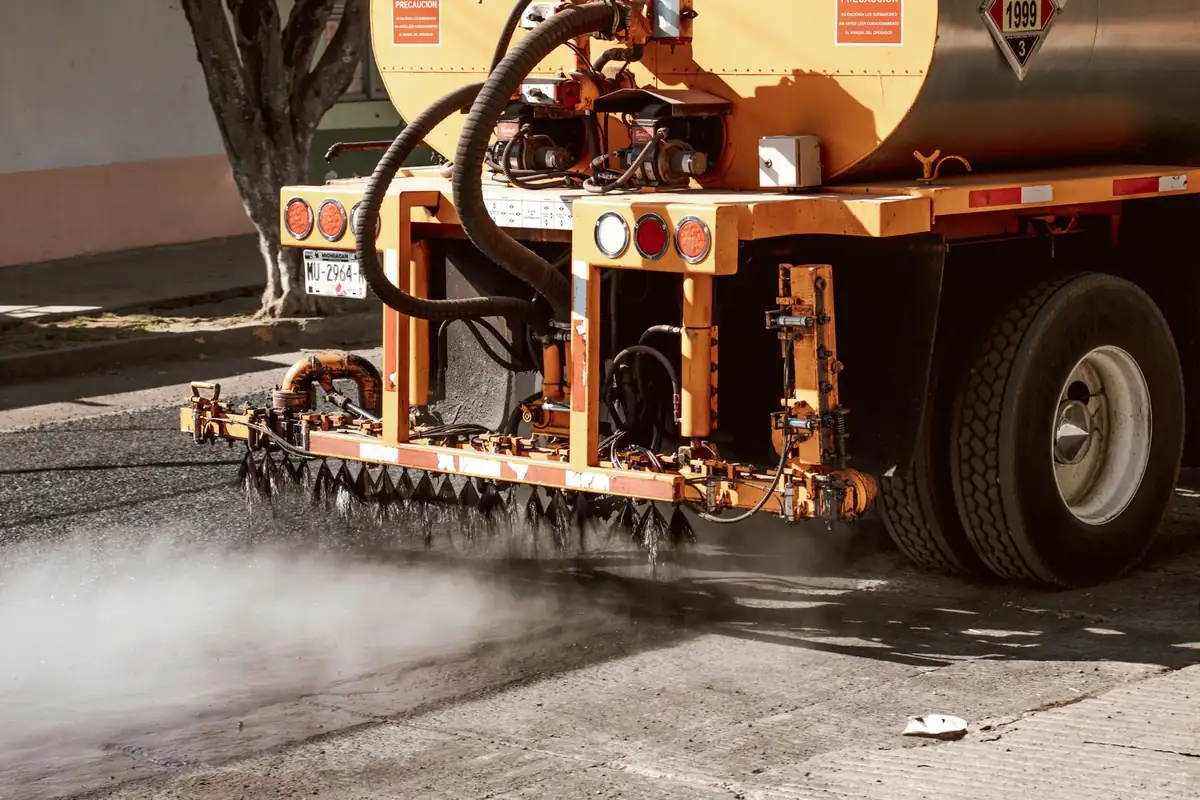
The short answer for Central Florida is every 2 to 3 years. But that range hides a lot of nuance, and getting it wrong costs you real money. Sealcoat too often and you waste cash on a coating your asphalt doesn't need yet. Wait too long and the Florida sun has already started cooking the binder out of your pavement, and no amount of sealer brings that back.
We pave and protect surfaces across Orlando and the rest of the state, and the honest truth is that "how often" depends more on your specific pavement and how it's used than on any calendar rule. Here's how we actually decide.
The Florida factor: why the timeline is shorter here
Asphalt is held together by a petroleum-based binder. Ultraviolet light breaks that binder down through a process called oxidation, and Florida gives your driveway more UV exposure per year than almost anywhere in the country. Add surface temperatures that push past 140°F on a summer afternoon and daily summer thunderstorms that flush loosened material into the gutter, and the aging clock runs faster here than up north.
That's why a driveway in Ohio might go 4 to 5 years between coats while the same driveway in Orlando needs attention at 2 to 3. Our sealcoating service is built around that reality.
A realistic schedule by surface type
- New asphalt: wait 6 to 12 months before the first coat so the surface can cure and release its oils, then seal.
- Residential driveways: every 2 to 3 years.
- Commercial parking lots: every 2 years, sometimes annually in high-traffic drive lanes.
- Low-use surfaces (rarely driven, shaded): can stretch toward 3 years.
Don't sealcoat on a calendar — read the pavement
The calendar is a guide. The pavement is the truth. Walk your surface and look for these signals that it's time:
- Color has faded from rich black to gray or tan.
- Water no longer beads and instead soaks straight in.
- The surface feels rough and you can see the individual stones (aggregate).
- Hairline cracks are starting to appear.
Gray, thirsty-looking asphalt that soaks up rain instead of shedding it is telling you the binder is gone. That's your cue to seal.
What speeds the clock up or slows it down
Two identical driveways on the same street can need sealing on different schedules. The variables that matter most in Florida are exposure and traffic:
- Full sun vs. shade. A driveway that bakes in direct sun all day oxidizes faster than one shaded by oaks and needs sealing closer to the 2-year mark.
- Traffic volume. More vehicles, more turning, and more weight all wear the surface and the seal faster. A busy commercial lane is on a tighter cycle than a rarely-used residential apron.
- Drainage. Areas where water ponds after our summer storms break down faster because water is working on the binder around the clock.
- Fuel and oil. Spots under parked cars where oil drips are dissolving the binder and often need attention first.
We look at all of this when we assess a surface, which is why we never quote a schedule sight-unseen. The pavement in the sun by your garage may be ready a year before the shaded section near the street.
Why over-sealing is also a mistake
Some contractors will happily seal your driveway every single year. Don't do it. Sealer needs a properly aged surface to bond to, and stacking coat on coat before the previous one has worn creates a thick film that cracks and peels on its own. Two to three years lets each coat do its job and wear naturally before the next one goes down. Over-sealing wastes money and can actually shorten the cosmetic life of your surface as the excess film fails on top of itself.
The cost of getting the timing wrong
Timing isn't just a technicality — it has a dollar figure attached. Seal a year or two too late, and the sun has already oxidized the binder past the point sealer can protect. Now you're not looking at a routine coat; you're looking at resurfacing or worse, which costs many times more. On the other end, sealing too early on brand-new asphalt traps curing oils and causes the coat to fail, so you pay to redo it. The 2-to-3-year window in Florida exists precisely because it's the sweet spot where the surface is aged enough to bond and not so worn that damage has set in. Hitting that window is the whole game.
Fix cracks before you seal
Sealcoat is a surface treatment, not a repair. If you've got cracks, they get filled first with our crack filling service, then sealed over. Skipping that step means water keeps getting under the pavement and the seal coat just hides the damage while it spreads. For more on that, see our guide on why small cracks become big problems.
Not sure where your pavement falls on the timeline? A quick look tells us everything, and we'll give it to you straight — even if the answer is "you've got another year."
Need a Free Estimate?
Iron Ridge Pavement gives upfront, no-obligation pricing on paving, sealcoating, striping and repairs across Florida.